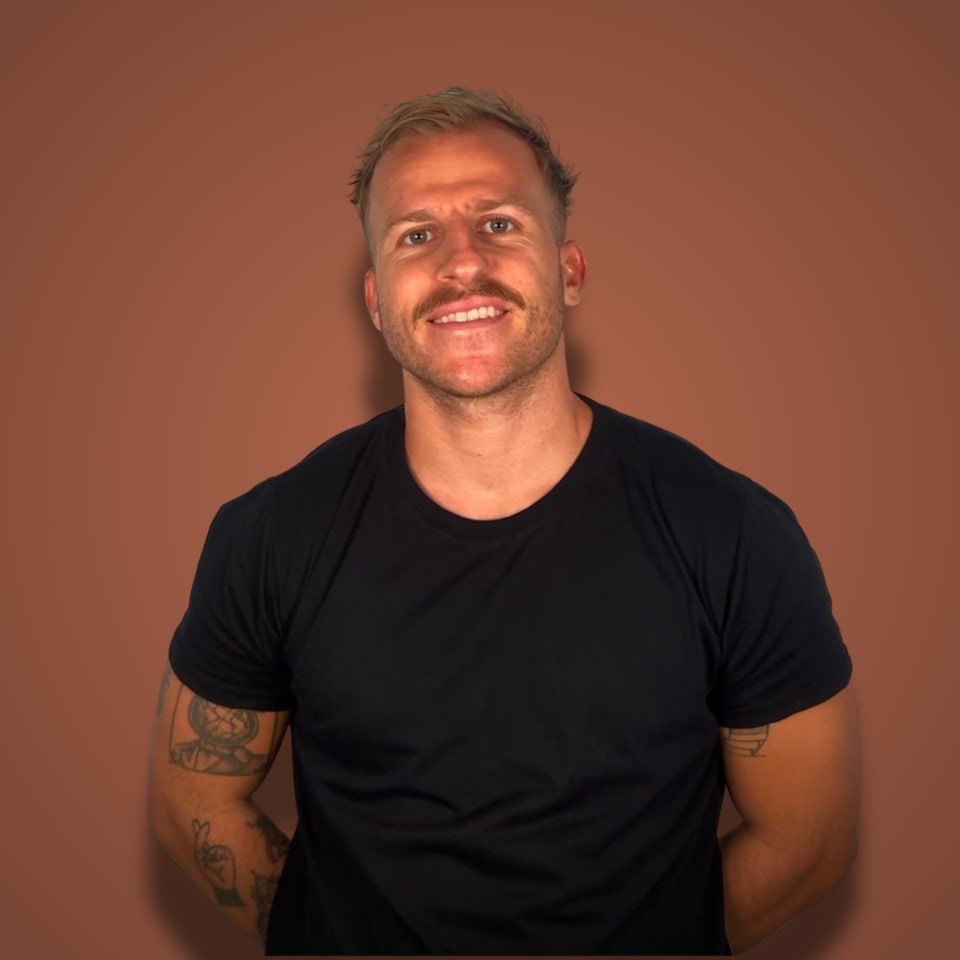
I booked my first 12 podcast appearances without spending a dollar on a PR agency.
No publicist. No $4K/month "podcast booking service." Just a spreadsheet, a 9-line email, and a system I stole from people way smarter than me.
Here's the thing nobody tells you: getting on podcasts as a founder is the most underrated distribution channel left. Your buyers are driving, walking the dog, doing dishes. And for 40 minutes they're listening to YOU. No ad blocker. No algorithm. Just your voice in their head.
I've been on both sides now. I host the Profitable Founder Podcast, so I read pitches every week. I also still pitch myself onto other shows. So I know exactly what works and what gets deleted in 2 seconds.
Let me give you the whole playbook.
Why podcasts beat almost every other channel for founders
Paid ads are getting more expensive every quarter.
SEO takes 6 months to move. Cold email reply rates are in the gutter.
Podcasts? You borrow someone else's audience for an hour. An audience that already trusts the host. The host vouches for you just by having you on. That trust transfers to you for free.
And here's the part people miss: one podcast appearance is not one piece of content. It's 15.
The episode. 3 to 5 short clips. A quote graphic. A blog post. A newsletter mention. A LinkedIn carousel. Each one points back at you.
I broke this whole compounding effect down in my piece on using a podcast as a B2B distribution channel. Go read that after this.
→ One good appearance can do more than a month of cold outreach. The hard part is getting booked. So let's fix that.
Step 0: Get your "why you" straight before you pitch anyone
Before you send a single email, you need an answer to one question: why should this host's audience care about you?
Not why you're impressive. Why their listeners win by hearing you.
Hosts can smell ego from a mile away. "I built a $2M ARR SaaS" is about you. "I'll break down the exact churn experiment that took us from 8% to 3% monthly churn" is about their audience.
Write down 3 to 5 specific topics you can teach. Make them concrete. With numbers. "How I got my first 1,000 users with zero ad spend" beats "growth marketing tips" every single time.
This matters more than your pitch wording. 87.8% of hosts say topic relevance is the number one reason they book a guest. Number one. Above your follower count, above your title, above everything.
Step 1: Build your target list with competitor reverse-lookup
This is the move that changed everything for me.
Don't search "best SaaS podcasts" and pitch the top 20. Everyone does that. Those hosts get 50 cookie-cutter pitches a day.
Instead: pick 3 to 5 founders who serve a similar audience to yours. Not direct competitors. People who talk to the same kind of listener you want.
Now find every podcast they've appeared on in the last 12 months.
How? Google their name plus "podcast." Check their LinkedIn. Look at sites like Listen Notes and Rephonic that index guest appearances. Build a list.
Why this works: that host has ALREADY proven they'll book someone with a profile like yours. The hard "will they say yes to this type of guest" question is pre-answered. You're not a gamble anymore.
This one shift is the difference between a 4% reply rate from spray-and-pray lists and a 35%+ reply rate from a tight, relevant list. Same pitch. Wildly different results. The list is the lever.
→ Spend more time on WHO you pitch than on WHAT you write. Most founders do the opposite.
Step 2: Qualify before you waste a pitch
Not every show is worth your time. Before adding a podcast to your "pitch" column, check three things:
Is it active? Did they publish in the last 30 days? Half of all podcasts are dead. Don't pitch a graveyard.
Do they take guests? Some shows are solo or co-host only. Look at their last 10 episodes. If they're all interviews, good. If none are, move on.
Is the audience actually yours? A show with 200 perfectly-targeted listeners beats one with 20,000 random ones. Download counts are vanity. Fit is everything.
If you want a starting point for the SaaS and founder space specifically, I keep a running list of the best podcasts for SaaS founders. Steal from it.
Step 3: The pitch that actually gets a yes
Keep it under 200 words. I'm serious. The longer your pitch, the more it reads like a press release, and press releases get deleted.
Here's the exact structure I use:
Line 1, personalized opener. Reference a specific episode you actually listened to. Not "I love your show." Something like "Your episode with Sarah on pricing experiments made me re-run our whole trial flow." This is the filter. It proves you're not mass-blasting.
Line 2, who you are in one sentence. "I'm Florian, I bootstrapped a SaaS to $75K/month and sold it, now I run a founder community." Credibility, fast.
Line 3 to 4, what you'll give their audience. Your 3 topic angles as bullets. Specific. With numbers.
Line 5, the easy ask. "Would any of these be a fit for your audience? Happy to send more." Make saying yes a one-word reply.
That's it. No attachments. No 12-paragraph bio. No "synergy."
Here's a real version you can copy:
Subject: episode idea on bootstrapping past $50K MRR
Hey [Name],
Your episode with [Guest] on hiring your first non-technical role hit home. I made every mistake you two warned about.
I'm Florian. I bootstrapped a SaaS to $75K/month, sold it, and now run a community of founders grinding toward $100K MRR.
A few angles I could break down for your listeners:
- The pricing change that doubled revenue without new customers
- How I got my first 1,000 users with zero ad spend
- Why I almost quit at $12K MRR and what flipped itWould any of these fit your audience? Happy to send more detail.
Florian
Under 150 words. Specific. Easy yes. That's the whole game.
Step 4: Use the matchmaking platforms (but don't rely on them)
There are tools built for exactly this.
PodMatch is the big one. Roughly 70% of guest bookings on these platforms come through it. MatchMaker.fm is another solid option. You build a guest profile, the platform matches you with hosts looking for guests, and you pitch through the app.
These are great for volume and for warming up. But here's the truth: 69.7% of guests still get booked through personal networks or direct proactive outreach. Not platforms.
So use the tools to fill gaps. But your best bookings will come from the competitor reverse-lookup list in Step 1 and from people who already know you.
→ Platforms are a supplement. Your own targeted outreach is the main course.
Step 5: Don't blow the actual interview
You got the yes. Now don't waste it.
Show up with stories, not a sales pitch. Nobody shares an episode where a guest plugged their product for 40 minutes. They share episodes where the guest taught something they immediately used.
Give your best material away. The free stuff IS the marketing. People think "if they give this much for free, imagine the paid stuff."
Have one clean call to action ready for when the host asks "where can people find you?" One. A single URL they can say out loud. Not five links nobody will remember.
And follow up after. Send the host a thank-you, share the episode to your own audience, tag them. Hosts remember the guests who actually promote the episode. That's how you get invited back and referred to other shows.
Step 6: Turn one appearance into a flywheel
Here's where most founders stop, and it's the most expensive mistake.
The episode goes live. They tweet it once. Done. Such a waste.
Every appearance should become:
- 3 to 5 short clips for your socials
- A quote graphic or two
- A LinkedIn post about one idea you shared
- A line in your newsletter
- A "as heard on [Podcast]" badge on your site
And the best part: each appearance makes the NEXT pitch easier. Your "as seen on" list grows. Hosts see you've been on shows like theirs. The trust compounds.
Booking 1 is hard. Booking 10 is easy. Get the flywheel spinning.
Maybe you should start your own show too
Guesting is fast. But owning the mic is a different kind of leverage.
When I started hosting instead of just guesting, the whole dynamic flipped. Now founders pitch ME. I get warm intros to people I'd never have reached cold. The host seat is the most underrated networking tool in business.
If that idea is rattling around your head, I wrote a full breakdown on how to start a SaaS podcast. You don't need fancy gear. You need a mic and 10 founders willing to talk.
FAQ
How many podcasts should I pitch to get one booking?
With a spray-and-pray list, expect maybe 1 yes per 25 pitches. With a tight, reverse-lookup list and a personalized 150-word pitch, I get a yes every 3 to 4 pitches. The list quality matters more than the volume.
Do I need a big audience to get on podcasts?
No. Hosts care about whether you're interesting to THEIR audience, not how big yours is. 87.8% of them rank topic relevance as the top factor. A founder with a sharp story and zero followers beats a big account with nothing to teach.
Should I pay for a podcast booking agency?
Not at the start. Agencies run $2K to $5K a month and mostly do the targeting and pitching you can do yourself in a few hours a week. Do it manually first so you learn what works. Outsource later if it's worth the time trade.
What's the biggest mistake founders make?
Pitching themselves instead of pitching value to the audience. "I built X" is about you. "I'll teach your listeners how I did X" is about them. Flip every sentence to the listener's win.
How long should a podcast pitch be?
Under 200 words. Aim for 150. One specific episode reference, one credibility line, three topic angles, one easy ask. That's it.
Your move
Podcasts are the most leveraged channel a founder can use right now, and almost nobody is doing it well. The bar is low. A specific list plus a 150-word pitch puts you ahead of 95% of the people pitching.
Start today. Build a list of 10 shows using competitor reverse-lookup. Send 10 pitches this week. You'll book at least 2.
And if you want to practice on a show built for exactly this, the Profitable Founder Podcast books bootstrapped SaaS founders to break down their numbers and their playbooks. No fluff, just the real story.