Anybody can build an app now. Four hours with AI and you have something on the App Store.
Getting your first 1,000 app downloads? That's where almost everyone gets stuck.
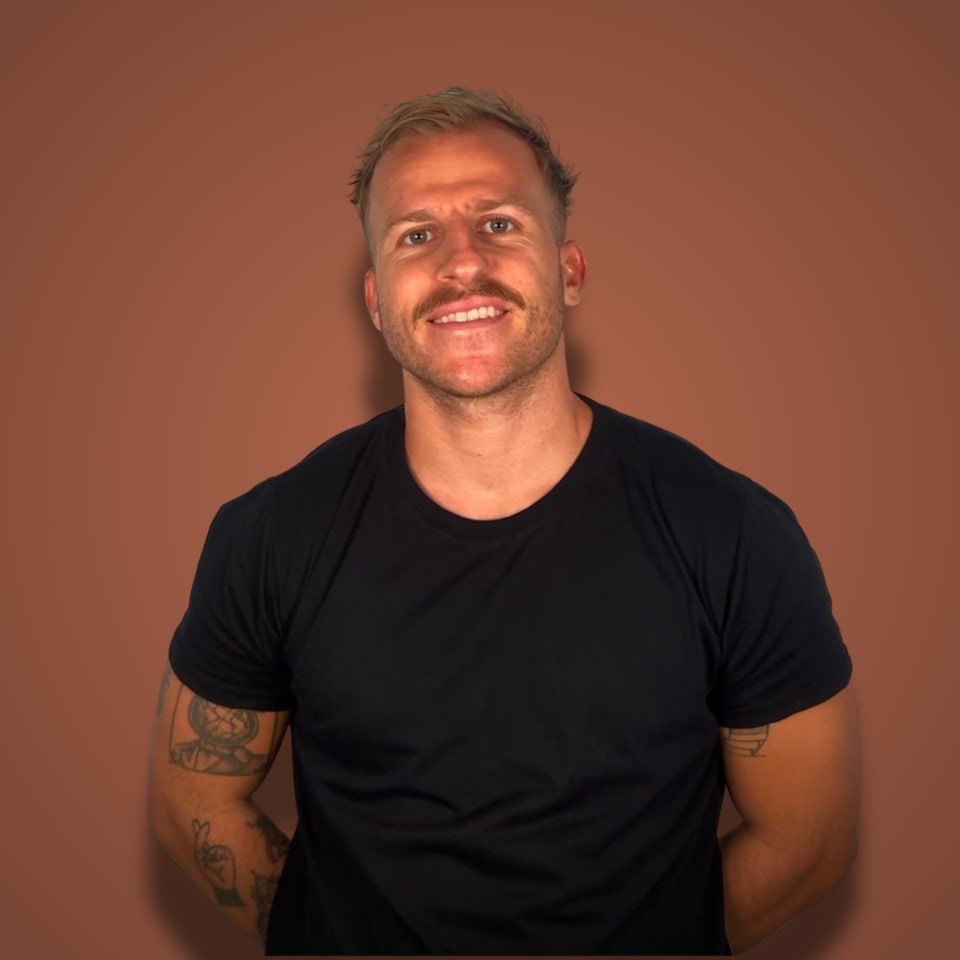
Starter Story Build just dropped an episode on exactly this. Pat brought on Julia, co-founder of PlayKit, a tech UGC agency that has generated over 1 billion views and 12 million app downloads in 18 months for companies like Substack, Quizlet, Cash App, and Flo Health.
One single video from her playbook brought in $500,000 in revenue for a client.
And the whole system costs $0 to run. No ads, no influencer budget, just organic short-form content done right.
Here's the full video, and below it, the playbook broken down step by step.
Who is Julia, and why should you listen to her?
Two years ago PlayKit was basically the only tech UGC agency out there.
Since then:
- → 1 billion+ views generated in 18 months
- → 12 million+ app downloads for clients
- → Clients include Substack, Quizlet, Cash App, and Flo Health
Her whole thesis: AI made building easy, so distribution is the moat now. And organic short-form on TikTok and Instagram is the cheapest distribution channel available to a broke founder with a new app.
The playbook has four steps. All four are free. What they cost you is 30 days of showing up.
Step 1: Get stupid specific about your user (15 to 30 minutes)
Before you film anything, before you even make an account, you do a persona exercise.
Not "students". Not "busy professionals".
Give this person a name. An age. Pain points. Wants. And most importantly: what content are they ALREADY consuming?
Julia's example: if you built an AI note taker, your user isn't "people who take notes". It might be a female biology student cramming for finals who watches study-with-me videos at 1am.
That level of specific.
The whole exercise takes 15 to 30 minutes. Most founders skip it, then wonder why their content reaches nobody.
The more specific your targeting and messaging, the more your videos feel like they're made for one person. That's what resonates organically.
(If you haven't validated the app itself yet, do that first. I broke down Starter Story's validation system in how to validate your app idea before building anything.)
Step 2: Warm up your account for 2 to 3 days before posting
This is the step nobody does, and it's the reason most founder content dies at 200 views.
You make a fresh TikTok or Instagram account. But you do NOT post yet.
Instead, you spend 2 to 3 days training the algorithm to think you ARE your target user.
Back to the AI note taker example. You don't search "AI note taker" (that just surfaces competitor product content). You search what your user searches: "how to study for biology".
Then you engage like a real person:
- → Scroll the For You page
- → Like and comment on videos in your niche
- → Share and save the good ones
Now the algorithm thinks you're a biology student. So when you start posting, your videos get shown to other biology students. Your exact users.
Bonus move: while you're scrolling, keep a little table of the emojis and phrases your audience actually uses. Julia was making content for a high school note taker and noticed everyone commenting "bruh" and the skull emoji. She used both in her copy and the videos went viral fast.
The warm-up doubles as language lessons for your niche.
Step 3: The 3 video formats that actually convert
Once the account is warm, you create. Julia uses three formats, all designed to NOT feel like ads.
1. Hook and demo
Your face first, then the product.
The face part is storytelling, not selling. For the note taker: "How come nobody told me this is how everyone's getting straight A's in my class."
Lean on the pain point. Don't drop the product name up front. Then let the demo do the talking. PlayKit runs this format for consumer clients because it makes the product look easy to use, and easy converts.
2. Long text
A 6-second video of your face with text over it. That's it.
The copy reads like something you'd send to a group chat. Relatable, and it asks a question people want to answer.
You often don't name the product at all. The goal is comments like "wait, how did you do this?" so you can reply with the app name.
Julia says this is the highest-converting format because it feels the most organic.
3. Talking style
Story first, product woven in second.
Her example: a creator for Quizlet told a story about a girl getting flamed in the comments for taking up space in a coffee shop. Mid-story: "and she was just flipping through flashcards on Quizlet, her score kept going up." The product slides into the narrative without ever feeling like an advertisement.
Notice what all three have in common: the product is never the hook. The story is.
Step 4: The posting system (this is where the algorithm decides)
You have drafts ready. Before every single post:
- → Scroll the For You page for 2 minutes. Like, comment, save, share.
- → This tells TikTok you're not a bot, which helps you get past the 100 to 500 view threshold.
- → Space posts at least 2 hours apart. Never dump everything at once.
- → Post 2 to 3 times a day when starting out.
And the part most founders get wrong: in the first weeks you are NOT optimizing for a viral video.
You're optimizing for conversion signals. Comments like "what app is that?" mean your messaging resonates with the people who will actually become users.
A thousand downloads doesn't require a million views. It requires the right 10,000 views.
The week-by-week timeline (so you don't quit at week 2)
Julia gave the exact progression she sees across client accounts:
- → Weeks 1 to 2: videos in the low thousands of views. Normal. You're gathering data on which messaging pulls comments.
- → Week 3: first breakout video, 10,000+ views. You now know what converts.
- → Week 4: three or more breakout videos. Things compound.
- → Week 5: first proper viral video.
- → Week 8: multiple million-plus view videos if you keep iterating.
When something works, recreate it. But don't repost the exact same file, TikTok punishes that. Change the copy, reshoot the video, keep the winning structure.
Most founders quit in week 2 because "it's not working". The data says week 3 is when it starts working.
The real lesson: content is the number one founder skill
Pat closed the episode with something I say on the podcast constantly.
You can spin up an app in 4 hours now. So can everyone else.
The skill that separates the $0 apps from the $50K/month apps is creating content that finds users. B2C, B2B, doesn't matter. If you can't crack distribution, you don't have a business, you have a repo.
And the best part of Julia's advice: just start. You will not get shadowbanned into oblivion. Your first videos will flop, and every flop is data for the next one.
Thirty days, zero dollars, and you come out the other side with a repeatable engine.
(Once the downloads start coming, the next problem is keeping them. I covered that side in how to get customers for your app.)
FAQ
How long does it take to get 1,000 app downloads organically?
Following PlayKit's playbook: roughly 30 days. Weeks 1 to 2 are low-view data gathering, week 3 brings your first 10,000+ view breakout, and by weeks 4 to 5 converting videos drive consistent daily downloads. The timeline assumes 2 to 3 posts per day.
Do I need to spend money on ads to get my first users?
No. Julia's entire system runs on $0: a warmed-up TikTok or Instagram account, 2 to 3 posts a day, and iteration on what gets comments. PlayKit used the same organic approach to drive 12 million downloads for clients before those apps scaled with paid.
What is account warming and does it actually matter?
Account warming means spending 2 to 3 days engaging with content your target user watches (searching their pain points, liking, commenting) before posting anything. It trains the algorithm to show your future videos to your exact audience, and it's the difference between reaching biology students and reaching nobody.
What type of video converts best for app downloads?
Julia's highest-converting format is the "long text" video: 6 seconds of your face with group-chat-style text over it, no product name. It sparks comments asking what the app is, and replying with the name feels organic instead of promotional. Hook-and-demo and story-style talking videos round out the mix.
Want more playbooks like this, straight from founders who've done it?
Every week on the Profitable Founder Podcast I sit down with bootstrapped SaaS founders making $100K to $10M a year and pull out exactly how they got their first users, their pricing, their distribution.