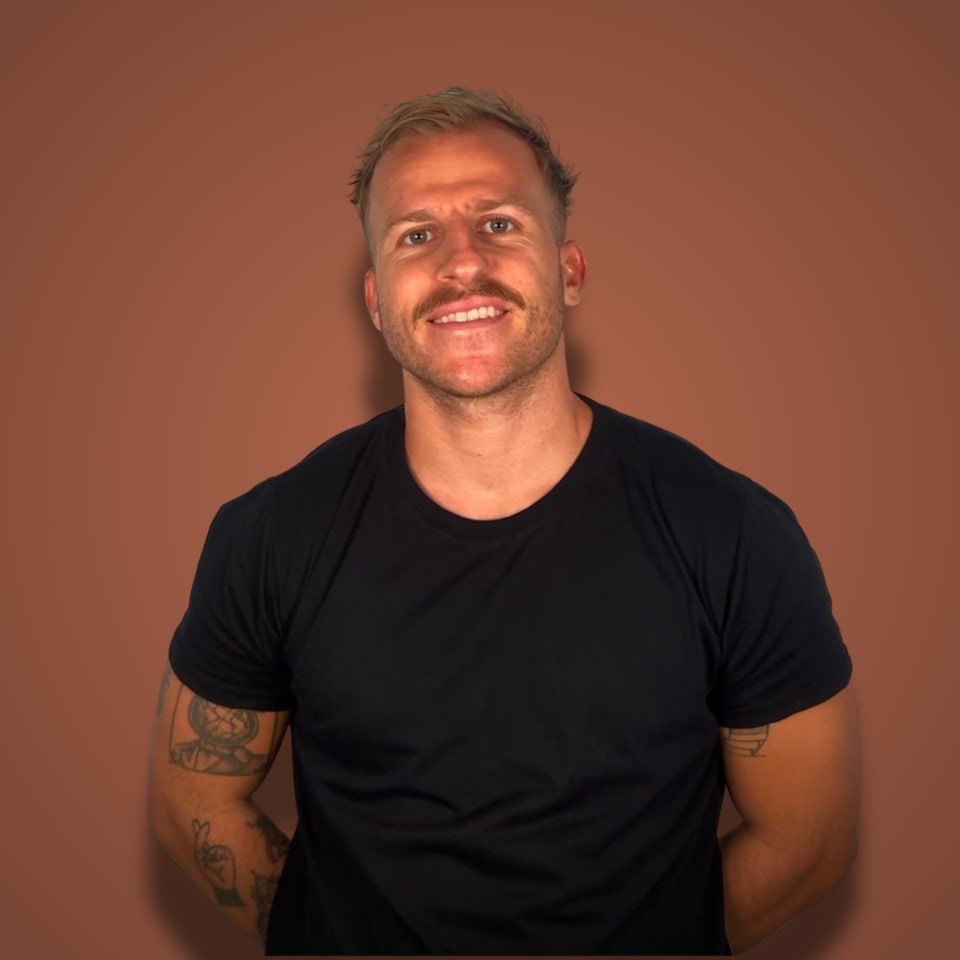
Kian is 21. He's still in college. Five months ago he had never shipped anything in his life.
Today his first app has over 100,000 users and makes $25,000 a month.
Not a single line of code was written by hand. Every line was vibe coded.
I watch a lot of these stories for the podcast, and most "vibe coding success story" videos fall apart the moment someone asks for a revenue dashboard. This one doesn't. Pat Walls had Kian pull up Stripe and RevenueCat on camera: around $11,500 from the website and another $14,000 from the mobile app in the past four weeks, with 397 active subscribers on mobile alone.
Here's the full story, and the playbook I'd steal from it.
The app: Tone Adapt, a tool for a very niche audience
Tone Adapt is a website and mobile app for guitarists. You tell it what guitar and amp you own, pick any song, and in under 30 seconds it tells you exactly how to set up your rig to sound like that song.
Search "Hotel California" and it shows you the original gear The Eagles recorded with (guitar, pickups, amp, pedals, estimated amp settings), then adapts all of it to whatever you actually have. The database covers over 1,500 guitars and 2,000 amps.
That's the whole product. It doesn't teach you guitar, it just matches tone.
Pricing is $10 a week or about $60 a year. In the past 3 months the website alone did $45,000 and picked up 1,400 new subscribers.
The lesson hiding in there: this is not some crazy viral idea. It's a boring, useful tool for one specific type of person. Pat checked the App Store live on camera and Tone Adapt ranks second for the keyword "guitar tone" (right after the sponsored result), in a category that has a million guitar apps.
Where the idea came from (not a brainstorm)
Kian was a CS major at San Diego State who couldn't land an internship. He wanted a project for his resume.
He'd been playing guitar almost every day for a year and a half. And he kept running into the same annoyance: he was asking ChatGPT how to dial in guitar tones, and the answers weren't accurate.
So he did the cheapest validation possible. He talked to other guitarists on Reddit and in Instagram comment sections. Same problem everywhere, no real solution.
His logic was simple: "If you have a tiny little problem, there are at least thousands, if not tens of thousands of people out there with the exact same problem."
He ran no surveys and built no waitlist. He had the pain, strangers in comment sections had the pain, and nothing solved it. So he built it.
That's the same pattern as the sprinters who built a track app around their own sport. Your hobby is your market research. I broke down another case of this in how to turn your hobby into an app.
The build: one week over Thanksgiving break
Kian had the idea for months and sat on it. Then Thanksgiving break gave him free time, and he built V1 in about a week.
His words: "Not a single line of code has been written myself." He vibe coded the entire thing, using Claude Code to write all the code.
The web stack:
→ Supabase for the database
→ Vercel for hosting, analytics, and backend API routes
→ Stripe for payments
→ Mailgun for emails
→ OpenAI API plus the Tavily web search API to research the tones
When the website started printing money, he built the iOS app natively in Swift, with RevenueCat tracking subscriptions and Superwall for paywalls and A/B tests. That mobile app did over $14,000 in its first month.
And here's the detail that stuck with me: he says the same project would take him a couple of hours to build today. The first one took a week because he was learning. The skill compounds fast.
The growth playbook: 3 posts a day, face on camera
Building it didn't get him users. Anyone can build a guitar app this year. The marketing is where Kian actually had an edge.
Before Tone Adapt, he'd done UGC content for brands to make money on the side. That taught him what makes short-form content get attention.
His approach:
→ Post 3 times a day, every day
→ Repost everything across Instagram, TikTok, YouTube, and Facebook
→ Put his own face behind the brand from day one, so users feel like they're joining the journey
→ When a format converts, remake it 50 times with tiny variations
→ Hire UGC creators to copy the winning format 60 times a month
→ Put Meta and TikTok ad spend behind the proven winner and ride it until it dies
His first video about the app went viral overnight. But he's clear that the viral video isn't the point. The point is repeating the process until attention becomes paying subscribers.
And the first video was embarrassing. His friends saw it and made fun of him. His take: once that first cringe post is on the internet, the embarrassment is gone for every post after it.
If you're earlier than Kian and posting into the void, start with how to get your first 1,000 app downloads. Same principles, smaller scale.
His advice if he had to start over
Pat asked Kian for his playbook if he lost everything and started from zero. It's four moves.
1. Pick a hobby you already live in. Kian played guitar daily for over a year before building anything. You already know the pain points, so you skip market research entirely. You are your own first customer.
2. Hunt for the tiny annoyance. A slow process, inaccurate results, any inconvenience with no real solution. He found his because ChatGPT gave him bad guitar tones. That gap was the business.
3. Ship V1 on the web tonight. Not the mobile app, not the polished logo. His line: "You can ship a web app today and get someone to pay for your product by tonight." Charge money from day one and collect feedback for the mobile version later.
4. Post 3 times a day for at least a month. This is where he sees everyone quit. Beautiful product, real problem solved, zero eyeballs. Any content beats no content. You're not chasing one viral hit, you're finding the one format that converts so you can pour gasoline on it.
His answer to the classic "what would you tell your younger self" question wasn't about code at all. It was: start posting on social media today, even with nothing to sell. He calls it the most valuable skill anyone can have right now.
Pat agrees, and so do I. Eight or nine out of ten founders on these shows answer the "how do you grow" question the same way: short-form content, every day.
What this story actually proves
Everyone can build now. That's the uncomfortable part of this story, not the inspiring part.
Pat says it straight in the episode: AI coding tools mean there's a flood of apps coming, way crazier in one, two, five years. A million guitar tone apps already exist.
So why does Kian's win?
Not the code. The code took a week and he'd redo it in an afternoon.
It wins because he picked a niche he genuinely lived in, solved one narrow pain instead of building an ambitious "learn guitar" platform, and out-posted every competitor 3 times a day while they built features in silence.
Distribution was the moat. The app was just the excuse.
If you're sitting on an idea waiting for it to feel big enough: a tone-matching tool for guitarists does $25K a month. Your "too small" idea is probably fine. Ship it this week and start talking about it.
I interview bootstrapped founders like this every week on the Profitable Founder Podcast, with the real numbers on the table. Listen to the latest episode here.
FAQ
What is a vibe coding success story?
It's a real business built almost entirely with AI coding tools instead of hand-written code. Kian's Tone Adapt is one of the cleanest examples so far: a 21-year-old college student with no shipped projects used Claude Code to build a guitar tone app in about a week, and within 5 months it passed 100,000 users and $25,000 a month in revenue, verified on camera through Stripe and RevenueCat dashboards.
What stack did Kian use to vibe code Tone Adapt?
The web app runs on Supabase (database), Vercel (hosting, analytics, and API routes), Stripe (payments), Mailgun (email), plus the OpenAI API and Tavily web search API. The iOS app is native Swift with RevenueCat for subscriptions and Superwall for paywalls and A/B testing. He wrote none of the code himself.
How did the app get to $25K a month so fast?
Content, not code. Kian posted about the app 3 times a day across TikTok, Instagram, YouTube, and Facebook, with his face on camera from day one. When a format converted, he remade it 50 times, hired UGC creators to copy it 60 times a month, and scaled it with Meta and TikTok ads. The app also ranks second in the App Store for the keyword "guitar tone".
Do you need to know how to code to build an app like this?
Kian was a CS student, so he wasn't starting from zero knowledge. But he says every single line was vibe coded and that the build would take him a couple of hours today. The bottleneck has moved: idea selection and daily distribution matter far more than the ability to write code by hand.