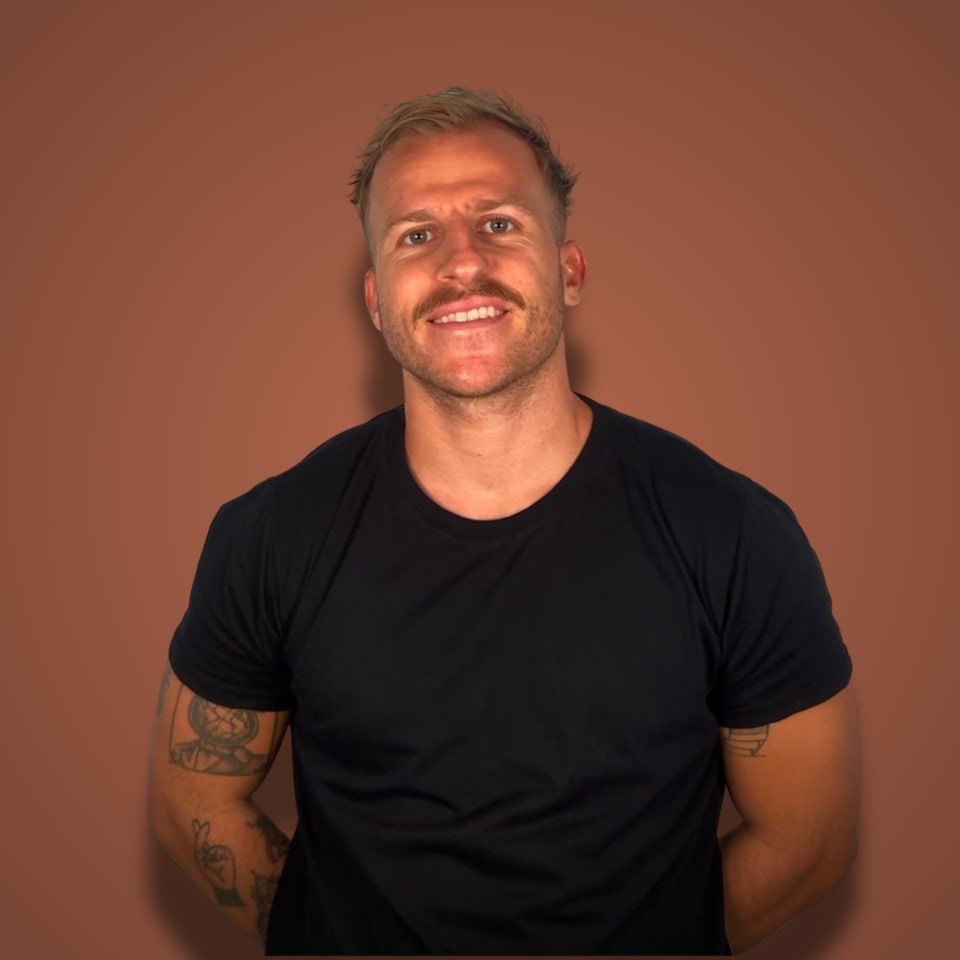
Tibo is 23 years old.
He works 20 hours a month. Not 20 hours a week. A month.
And his app, Chart Detector AI, makes $56,000 a month.
While most app founders are grinding 80-hour weeks posting TikToks that get 200 views, Tibo and his brother built a machine that grows on autopilot. In 13 months they went from zero to 90,000 downloads and $260,000 in total revenue. He quit his software engineering job at a big German car brand after month 6. Now he travels the world and checks his dashboards once a week.
The secret is not organic content. It's TikTok ads for apps, run with a very specific playbook.
Pat Walls broke the whole thing down with him on Starter Story. Watch the full interview, then I'll give you the numbers and the exact playbook.
The App: Take a Photo of a Chart, Get an AI Analysis
Chart Detector AI does one thing.
You take a picture of a stock or crypto chart. The AI analyzes it and tells you which direction it thinks the chart is heading.
That's the whole app. No portfolio tracking, no social feed, no roadmap with 40 features nobody asked for.
The idea came from a product wave. When ChatGPT shipped image uploads, Tibo and his brother built a Telegram bot that could read stock charts. The bot worked, so they turned it into a mobile app.
→ They didn't invent a new behavior. They caught a new API capability the week it dropped and wrapped it in a dead-simple use case.
Current numbers:
- $56,000/month in revenue
- 13,000 to 14,000 downloads every month
- 90,000+ total downloads in 13 months
- Close to 40 million total ad impressions, 7.8 million views in the last 30 days
One more thing worth knowing about the backstory. Tibo wasn't some growth-hacking prodigy. He was working a 9-to-5 as a software engineer at a big car brand in Germany, and he and his brother had already tried a pile of businesses that went nowhere. Mobile apps were simply the first thing that worked.
Six months after launch, the app was making enough for him to quit. (Imagine handing in your notice because your chart-scanning side project out-earns your engineering salary.)
The Pricing: Hard Paywall, No Free Trial
Two plans.
- $12.99 per week
- $59.99 per 6 months
And the part most founders get wrong: there is no free trial at all. You hit the paywall immediately.
Sounds brutal, right? It's deliberate. When you're paying for every single download, a hard paywall means you get your money back on day one instead of praying users convert after a 7-day trial. Nearly every paid-ads app founder Pat interviews runs the same setup.
The 6-month plan is the sneaky-smart part. Most apps do weekly and yearly. Tibo split tested a 6-month tier and it stuck. Lower sticker shock than annual, way more upfront cash than monthly.
The Real Profit (Because You're Going to Ask)
Revenue screenshots are easy. Margins are the real story, and Tibo shared his.
April numbers:
- $43,700 in revenue
- Around $20,000 in TikTok ad spend
- 15% Apple fees
- → roughly $11,500 profit, a 25% margin
Some people will read that and scoff. "Only 25%?"
Now do the other math. He works 20 hours a month. That's roughly $500 of profit per hour of his time. The ads do the distribution work he'd otherwise be doing manually, and he pays for it out of margin.
That's not a worse business than a 90% margin app that eats 60 hours of your week making content. It's a different trade, and for a lot of founders it's the better one.
The TikTok Ads Playbook, Step by Step
This is the part to steal. Tibo laid out exactly what he'd do starting from zero in 2026.
Step 1: Make the app ready for paid traffic
Before you spend a dollar:
- Fix your onboarding. Sell the outcome the app delivers, not the features.
- Stack social proof inside the onboarding flow so cold traffic trusts you.
- Use a tool like screens.design to study the onboarding of apps already printing money.
- Go hard paywall, no free trial. With ads, you need the cash back immediately.
Step 2: Set up tracking properly (don't cheap out here)
TikTok's algorithm is only as good as the purchase data you feed it. You need an MMP (mobile measurement partner) like AppsFlyer wired into your app so TikTok knows exactly which users paid.
Tibo's advice: hire a freelancer on Upwork to do the integration. It's genuinely easy to misconfigure, and a bad setup silently burns thousands in ad spend.
Step 3: Launch with at least 6 videos
Not one perfect ad. Six.
The algorithm needs multiple creatives to test against different audiences. Their best performer was embarrassingly simple: a screen recording of someone using the app. That one video did close to 5 million views and over $15,000 in revenue.
Step 4: Use Smart+ campaigns and optimize for subscriptions
The campaign setup:
- Smart+ campaigns (TikTok's AI handles audience finding and budget allocation)
- Optimization goal: subscription events, NOT app installs. Installs teach the algorithm to find downloaders. Subscription events teach it to find payers.
- Budget: at least $50/day. That's where they saw results kick in.
- Targeting: broad. They only pick the country. Nothing else.
One tip that surprised me: don't default to advertising in the US. Tibo tested other countries and consistently got better ROI outside the US, where every app founder on earth is bidding against you.
Step 5: Respect the learning phase, then scale slowly
The first 7 days, TikTok tests your videos on different audiences. Touch nothing during this window. Changing settings resets the learning phase.
After that, the weekly routine:
- ROAS stable and profitable → increase budget
- ROAS unprofitable → make new videos, feed them into the campaign
- Never raise the budget more than 20% every 3 days, or you get thrown back into learning and ads often go unprofitable
- Watch for creative fatigue. Every video dies eventually once too many people have seen it, so keep a constant pipeline of fresh creatives
That weekly check-in IS the 20 hours a month. Monitor ROAS, refresh creatives, adjust budget. Done.
If paid ads feel out of reach because you're pre-revenue, start with the free channels first. I broke those down in how to get your first 1,000 app downloads for free, and the broader channel map in how to get customers for your app.
The Stack Behind a $56K/Month App Run by Two Brothers
No team. No agency. Two brothers and a short list of tools:
- React Native + Expo for the app
- Supabase for the backend
- OpenAI powering the chart analysis
- RevenueCat for paywalls and subscriptions
- AppsFlyer for ad tracking
- CapCut for editing ad creatives
- AI coding assistants writing most of the code
Around $18,000/month of that revenue goes straight back into TikTok ads. That's the engine. Everything else is maintenance.
What I'd Steal From Tibo's Story
Three things stood out to me watching this one.
1. Ride API waves. ChatGPT ships image uploads, Tibo ships a chart-reading bot the same season. New model capabilities create app gold rushes every few months. The founders who win are the ones already building when the wave hits.
2. Buy back your time with margin. A 25% margin business that runs itself beats a 90% margin business that owns your life. Tibo chose $500/hour and freedom over squeezing every point of margin. (Most of us optimize the wrong variable here.)
3. Execution beats research. His advice to his younger self: stop watching YouTube videos and feeling productive, start building. He said it himself, he procrastinated for years thinking watching tutorials was work. The app that changed his life took a couple months to ship.
FAQ
How much does it cost to run TikTok ads for an app?
Tibo recommends a minimum of $50/day per campaign, so roughly $1,500/month to start properly. Below that, the algorithm doesn't get enough data to find your buyers. He currently spends around $18,000 to $20,000/month, but he scaled to that from the $50/day starting point.
Are paid ads better than organic content for growing an app?
Neither is "better", they trade different resources. Organic costs time (30 to 60 hours a month creating content) and is unpredictable. Paid costs margin (Tibo lands around 25% net) but is predictable and takes him 20 hours a month. If your app monetizes hard from day one, paid scales faster.
Do you need a free trial on a mobile app?
Not if you're running paid ads. Tibo runs a hard paywall with zero free trial ($12.99/week or $59.99/6 months) because he needs revenue back immediately to reinvest in ads. Hard paywalls are the standard setup among profitable paid-ads app founders.
How profitable is a $50K/month app really?
In Tibo's case: $43,700 revenue in April, minus about $20,000 ad spend and 15% Apple fees, left roughly $11,500 in profit. A 25% margin. On 20 hours of work, that's about $500/hour.
Steal Playbooks Like This Every Week
Tibo's story is one interview. I collect these playbooks every single week: bootstrapped founders sharing real revenue, real margins, and the exact channels that got them there.
That's the whole point of the Profitable Founder Podcast. Founders making $100K to $10M a year, telling you precisely how.