Most people building a mobile app think the product is the hard part.
It's not.
The hard part is the 60 seconds after someone opens your app for the first time. They have zero context. They don't know what you do, whether you'll fix their problem, or why they should hand you their card. If you lose them there, the rest of your app may as well not exist.
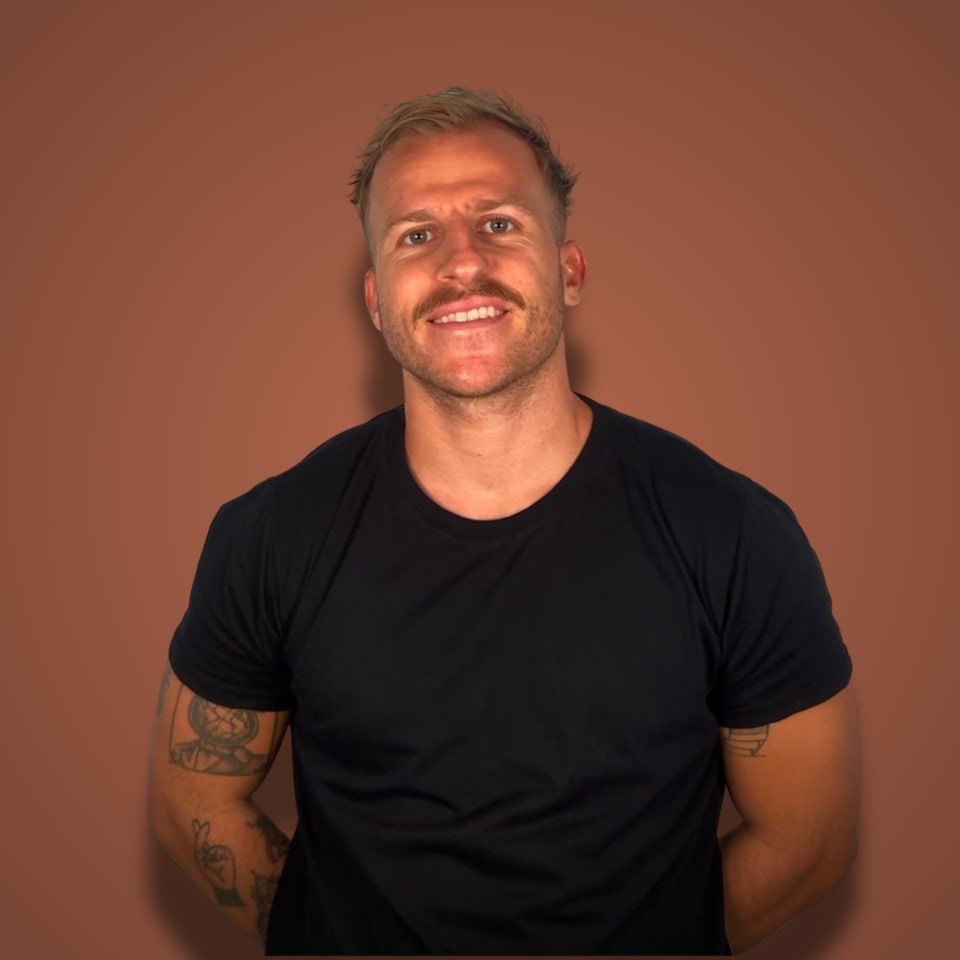
I just watched a screen-by-screen breakdown from a founder named Mao Bern who gets this better than almost anyone I've seen. He studied finance in college. No design background, no UX background. He taught himself AI, started shipping apps, and obsessed over one question: what actually makes people pay?
His app, Prayer Lock, now does over $40,000 a month. And he's convinced the onboarding is the whole reason.
Here's the part that stopped me: he rebuilt that onboarding and his free-trial conversion went from 3% to 15%. Same app. Same traffic. He 5x'd revenue by changing the screens people see before they ever touch the product.
Watch the full breakdown first, then I'll pull out the parts you can copy this week.
Your app is a sales funnel, not a product
This was Mao's core line, and it reframed the whole thing for me:
"An app is nothing more than a sales funnel. Every screen before the paywall is just building a case for why the user should pay you."
Read that again if you build software.
We love to think users open our app, marvel at the feature we sweated over, and pull out their wallet. They don't. They open it cold, with a half-formed problem in their head, and a thumb already hovering over the back button.
So the onboarding isn't a tutorial. It's a story you're telling to convince a stranger they need you. Introduction, climax, conclusion. Most of the screens have nothing to do with the product at all. They exist to make the user feel heard, make them reflect, and make them convince themselves.
That's the mindset shift. Now the tactics.
The introduction: frame the problem in the first 3 screens
Mao's rule is brutal and simple. By screen three, the user should know exactly what their problem is and exactly how you fix it. Confusion kills conversions, and confusion sets in fast.
Here's how Prayer Lock does it:
→ Screen one welcomes you.
→ Screen two hits the problem: "Did you ever feel like your phone gets more attention than God?" Phone addiction, framed in one line.
→ Screen three hands you the solution: "Prayer Lock helps you put God first."
Three screens. Problem named, solution promised, no waffle.
Then comes the part I think most founders skip, the aha moment under a minute. Mao asks your name, your age, and how long you're on your phone each day. Whatever you answer, the next screen hits you with a personalized stat that lands like a punch: on average, you'll spend 16 years of your life on your phone.
Then immediately: "Don't worry, we're the solution. Do you have just 5 minutes for God each day? Let's build a plan."
Problem made personal, solution offered in the same breath. That's the climax of the introduction.
Ask questions so users sell themselves
This was my favorite bit, because it's so counterintuitive.
Mao asks a stack of personal questions during onboarding. And he's blunt about why: it's not for him. He already knows what his users struggle with. The questions exist so the user talks themselves into needing the app.
Then he reflects the answers right back. Ask someone "what do you want to achieve?", they say "build a consistent prayer habit," and the next screen says "we hear you, you want to build a consistent prayer habit."
Sounds silly. Works anyway. It makes the experience feel personalized and makes the user feel seen before they've spent a cent.
This is the same playbook every founder uses to nurture a lead, just compressed into 90 seconds of screens. If you want to go deeper on the broader version of this, building flows that walk a cold prospect to a "yes," there's a solid breakdown of lead nurturing strategies that maps cleanly onto what Mao is doing inside an app.
Longer onboarding made him more money, not less
Every instinct screams to make onboarding shorter. Get out of the way. Let people use the thing.
Mao did the opposite, and the numbers are hard to argue with.
Old Prayer Lock onboarding: around 20 screens, free-trial conversion around 3%.
New onboarding: 10 to 15 minutes depending on the user, free-trial conversion jumped to 15%.
A 5x lift, purely from making people work longer before the paywall.
The mechanism is loss aversion. People hate losing more than they like winning. By the time someone has spent 10 minutes answering questions and watching the app reflect their goals back, they're thinking "I've already put this much in, I might as well start the trial." Sunk cost, turned into a feature.
I'm not telling you to bloat your onboarding for the sake of it. I'm telling you the assumption that shorter always wins is wrong, and there's real money on the other side of testing it.
The climax: let them try the magic, then ask for the review
Pillar two is the climax. The most fun, most exhilarating moment of the story. Two moves here.
1. Let users try your main feature inside the onboarding. Prayer Lock asks you two questions, then generates a prayer for you, right there, before the paywall. You feel the value instead of being told about it.
2. Get the review at the emotional peak. Right after showing your first-day streak with a little fire animation, Mao drops the review prompt. Timing is everything. Too early and the user doesn't get it yet. Too late and the emotional high is gone.
Why does he care so much about reviews? Two reasons.
First, social proof. When you land on an App Store page and see 13,000 reviews, you trust it. A lot of people did this, so it's probably fine. Second, ranking. Reviews feed your App Store Optimization, and Mao's whole goal is to rank number one for his own app name, "Prayer Lock." If you're fuzzy on how that side works, this app store optimization strategy walkthrough is worth a read.
And here's the kicker, most users will never pay you, especially with a hard paywall. So a review is the next best thing they can give. One in eight Prayer Lock users leaves one. He treats that moment like gold.
The conclusion: summary, price reframe, and a commitment
Pillar three is the conclusion, and it has three moves.
→ Show a summary of their journey. Where they are, where they want to go, how the app gets them there. "You'll have a prayer habit in 30 days." Always tie your app to a concrete outcome on a clock.
→ Tell them the price, then reframe it. Mao says upfront the app is paid (only do this if you have a free trial, otherwise you'll bleed people). Then he compares it to something they already buy without thinking. One coffee a month versus spiritual peace. Suddenly the price feels like nothing.
→ Get them to say they're committed. The last screen before the paywall asks, "how committed are you to making this happen?" Around 95% answer "extremely" or "very." Saying it out loud makes them act on it.
And the paywall itself? Mao says stop overthinking it. The only thing he'd add is a notification reminder one day before the trial ends. That's it.
Where this idea came from
Mao didn't invent any of this. He'll tell you that himself.
He studied the best onboardings in the market, copied the structure, and iterated. Twitter has a long onboarding. Cal AI has one of the longest onboardings in the entire mobile space, and Cal AI just got acquired for what's likely multiple nine figures. If you want the full story on that one, I broke down the Cal AI founder story separately, and the onboarding obsession shows up there too.
The pattern is clear once you see it. The apps printing money are not the ones with the cleverest features. They're the ones that treat the first 10 minutes like a sales conversation.
What Mao would tell you to do first
I asked myself what the one takeaway is, and Mao basically answers it at the end of the video.
"Before you touch your product, before you add useless features, obsess over two things. Marketing first, then onboarding. Do that until you hit at least a 10% download-to-trial rate. Everything else comes after."
That's the order. Get people in the door. Convert them with a story. Then, and only then, go polish the product.
I've watched too many founders, myself included at times, do this backwards. We build features nobody asked for while our onboarding leaks 97% of users into the void. Mao plugged the leak and 5x'd a business doing it.
FAQ
How much does Prayer Lock make?
Over $40,000 a month, according to founder Mao Bern in his Starter Story Build breakdown.
How did Mao 5x his conversion rate?
He rebuilt his onboarding from around 20 screens to a 10–15 minute flow structured like a story. Free-trial conversion went from about 3% to 15%, largely driven by loss aversion, people invest time, so they're more likely to start the trial.
Why does onboarding matter more than the app's features?
Because an app is a sales funnel. Every screen before the paywall builds the case for paying. Users open your app cold with no context, so the onboarding is where you frame the problem, deliver an aha moment, and let them try the magic before asking for money.
When should you ask users to leave a review?
At the emotional peak, right after they experience a win like a first-day streak. Too early and they don't get the value yet, too late and the moment's gone. Reviews drive social proof and App Store ranking, and most users will give you a review even if they never pay.
Does a longer onboarding really convert better?
For Mao it did, dramatically. He's clear it's not about length for its own sake, it's about using the extra screens to make users reflect, feel heard, and commit before the paywall.
Steal the playbook, then come talk to other founders doing the same
Onboarding is one of those things that's obvious in hindsight and invisible until someone shows you screen by screen. Mao just did. Go map your own funnel against his three pillars this week.
If you want to hear more founders break down the exact mechanics behind their numbers, the kind of stuff that doesn't make it into the polished case studies, that's the entire point of the Profitable Founder Podcast. Real builders, real revenue, real screens.