Anyone can build an app now.
You can spin one up in 4 hours with AI. Seriously, watch any vibe-coding tutorial.
Getting people to actually download it? That's where everyone gets stuck.
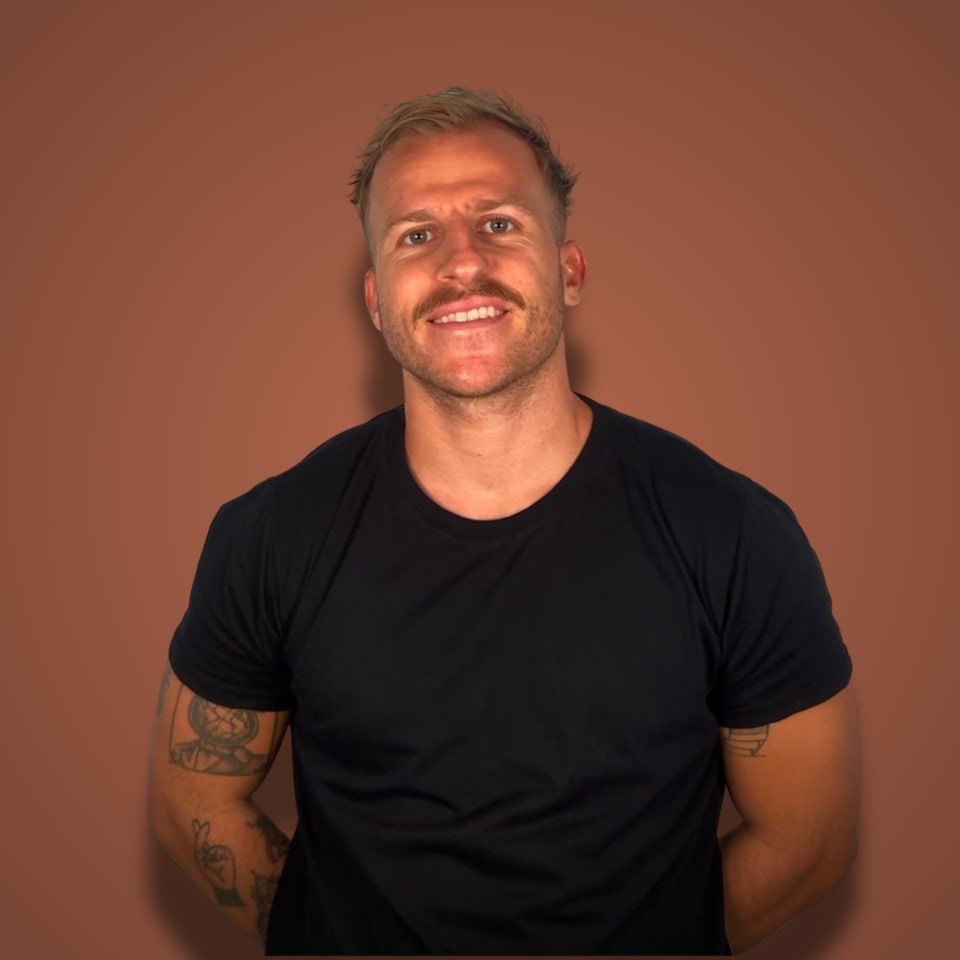
Which is why I stopped on this Starter Story Build episode with Julia, co-founder of PlayKit. Her agency runs UGC app marketing campaigns for Substack, Quizlet, Cash App, and Flo Health. In 18 months they've generated over 1 billion views and 12 million app downloads.
One single video brought in $500,000 in revenue for a client.
And she's not pitching her agency. She walks through the exact zero-to-1,000-downloads system you can run yourself, with $0 in ad spend.
Here's the full episode, then I'll break down the system step by step:
Who is Julia, and why listen to her?
PlayKit started about two years ago as basically the only tech UGC agency out there.
Since then:
- → 1 billion+ views in 18 months
- → 12 million+ app downloads
- → Clients like Substack, Quizlet, Cash App, and Flo Health
That's not "I went viral once and wrote a thread about it." That's a repeatable system, tested across dozens of consumer apps.
And the core insight behind all of it: people don't download apps from ads anymore. They download apps their feed tells them everyone is already using.
Your job is to make your app show up in the right feeds. Here's how she does it.
Step 1: Build a painfully specific user persona (15 to 30 minutes)
Most founders skip this because it feels like homework.
Julia doesn't let her clients skip it. Before posting anything, you write down one specific person:
- → A name and an age
- → Their pain points and wants
- → The content they're already consuming
Not "students." Female biology students cramming for finals.
The whole exercise takes 15 to 30 minutes. And it decides everything downstream: what you search, what you post, what language you use.
The more specific the targeting, the more the content feels like it's for someone. That's what makes things resonate organically. Generic content for "everyone" reaches no one.
Step 2: Warm up your account for 2 to 3 days before posting
This is the step almost nobody does, and it's why most founders' first TikToks die at 200 views.
A fresh account has no algorithm. TikTok doesn't know who to show your videos to.
So you teach it. For 2 to 3 days, before posting a single video, you scroll like your target user would.
Julia's example: say you're marketing an AI note-taker for students. You do NOT search "AI note taker" (that just surfaces competitor ads). You search what your user searches: "how to study for biology."
Then you engage like a real person:
- → Like and save the videos that come up
- → Comment on creators in the niche
- → Share a few to friends
Now the algorithm thinks you ARE a biology student. Which means when you start posting, your videos get shown to other biology students.
Bonus move: while you scroll, keep a little table of the slang, emojis, and phrases you see. Julia did this for a high-school note-taking app, noticed everyone used "bruh" and the skull emoji, used them in her copy, and went viral fast.
Warming up the account is half the point. The other half is learning the language your users actually speak.
Step 3: Make one of these 3 video types
This is where most people overthink it. Julia uses exactly three formats.
1. Hook and demo
Your face first, then the product.
The face part is storytelling, not selling. For the note-taker example, the hook is something like: "How come nobody told me this is how everyone's getting straight A's in my class?"
You lean on the pain point. You don't drop the product name in the first second. Then the demo does the talking.
PlayKit ran this format for doop.com and it converts hard because viewers see exactly how the product works.
2. Long text
The simplest format: a 6-second video of your face with text overlaid.
It reads like something you'd send to a group chat. Relatable, a little provocative, and often it doesn't even name the product.
The goal is the comment section. You want people asking "wait, how did you do this?" so you can reply with the app name.
Julia says this is the highest-converting format of the three, because the product reveal feels completely organic.
3. Talking style
Story first, product woven in second.
Her example: a creator for Quizlet told a story about seeing a girl get roasted in the comments for "taking up space" at a coffee shop. Mid-story, she mentions the girl was flipping through Quizlet flashcards, score going up.
The product is a detail inside a story people actually want to hear. That's the trick.
I went deeper on this exact mechanic in how to market a viral app with UGC if you want more examples.
Step 4: The posting ritual (this part is weirdly specific)
You've got videos in your drafts. Before you hit post, there's a ritual:
- → Scroll the For You page for about 2 minutes. Like, comment, save, share.
- → This tells TikTok you're a human, not a bot, and helps you get past the 100 to 500 view threshold.
- → Post 2 to 3 times a day when starting out.
- → Space every post at least 2 hours apart. Never dump your whole drafts folder at once.
Most of your videos will flop. Julia is upfront about this. That's not failure, that's the data collection phase.
The realistic timeline: zero to viral in 8 weeks
This is my favorite part of the episode, because almost nobody gives you the honest week-by-week picture.
- → Weeks 1 to 2: videos in the low thousands of views. You're optimizing for comments like "what app is that?", not view counts.
- → Week 3: first breakout video, 10,000+ views. By now you know which messaging converts.
- → Week 4: three or more breakout videos.
- → Week 5: first genuinely viral video.
- → Week 8: multiple videos with 1M+ views, if you keep iterating.
The engine compounds. Every video that "fails" tells you something about hooks, formats, and language. You recreate the winners (with fresh footage, TikTok punishes exact reposts) and double down.
And note what you're optimizing for in the first weeks: conversions, not virality. A 3,000-view video that fills the comments with "link?" beats a 100K-view video that converts nobody.
Getting your first 1,000 downloads is one thing. Keeping them, and ranking in the App Store once the installs start flowing, is another. I covered that side in my app store optimization breakdown.
Why this beats paid ads for your first 1,000 users
Could you just run Meta ads to your app? Sure.
But at the zero-to-1,000 stage, you'd be paying $2 to $5 per install to learn what this system teaches you for free:
- → Which pain point actually makes people stop scrolling
- → Which words your users use (not the words on your landing page)
- → Which format converts viewers into installs
Julia's parting advice on the episode was simply: start. Don't get bogged down worrying about shadowbans or whether video #1 will work. It won't. Video #14 might.
And Pat from Starter Story closed with the line that stuck with me: in the age of AI, anyone can build the product. The skill of creating content is the number one skill right now.
He's right. I've watched this play out across dozens of podcast interviews. The founders winning in 2026 aren't the best builders. They're the best distributors.
FAQ
How long does it take to get 1,000 app downloads with UGC?
Roughly 4 to 5 weeks if you follow the full system: 15 to 30 minutes on a user persona, 2 to 3 days warming up your account, then posting 2 to 3 videos a day. PlayKit's timeline puts your first 10K+ view breakout at week 3 and your first viral video around week 5, which is typically more than enough to clear 1,000 installs.
Do I need to show my face in UGC videos?
For two of the three formats, yes, but barely. The "long text" format is just 6 seconds of your face with text on screen. Hook-and-demo needs a short face intro before cutting to the product. If you really can't, you can hire UGC creators, but at the zero-to-1,000 stage doing it yourself is faster and teaches you the messaging.
Should I post the same video on TikTok and Instagram?
Yes, the system works on both. The warm-up process is identical: train each account's algorithm by engaging with your target user's content for 2 to 3 days before posting. Just don't repost the exact same video repeatedly on one platform; TikTok suppresses duplicates. Change the footage and tweak the copy.
What if my app is B2B, not consumer?
The mechanics still apply, the platforms shift. Founder-led content on X and LinkedIn plays the same role TikTok plays for consumer apps: story first, product woven in, optimizing for "what tool is that?" replies. Several founders I've interviewed grew to $20K+ MRR on exactly that motion.
Every week on the Profitable Founder Podcast I break down how real bootstrapped founders got their first users, their first $10K MRR, and beyond. No fluff, just the numbers and the playbooks.