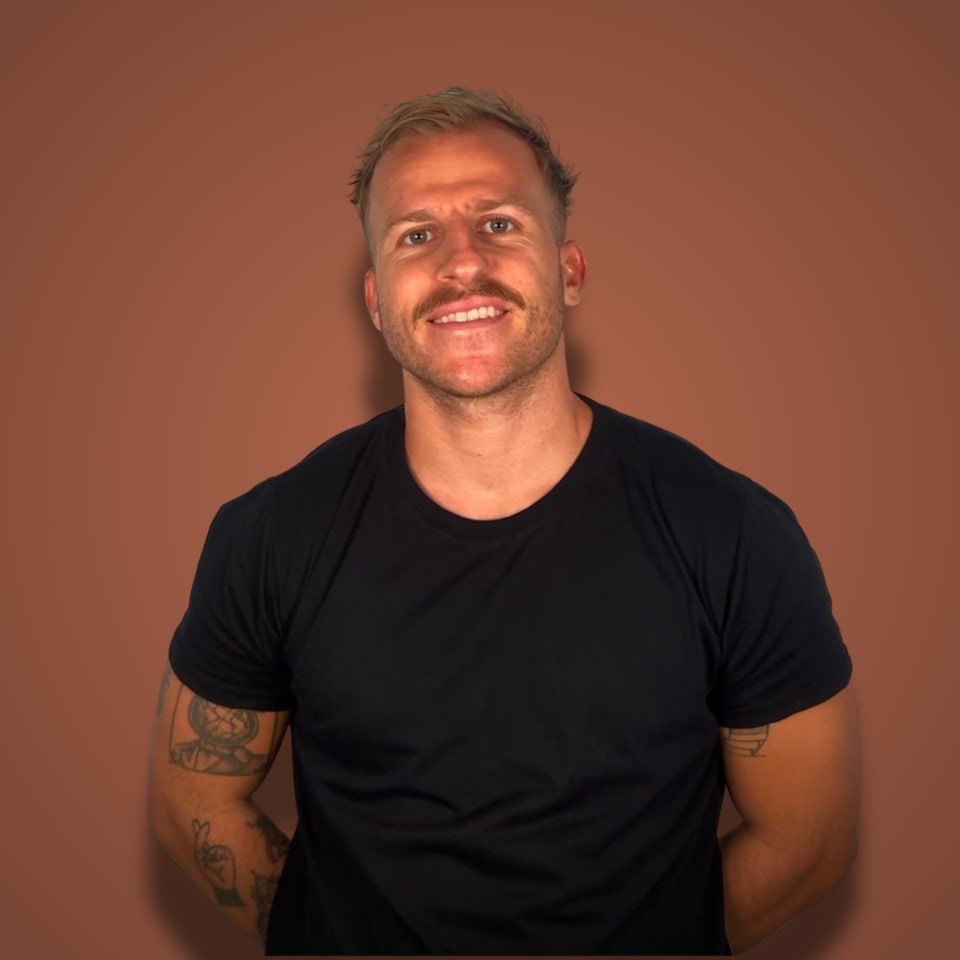
Sebastian spends $0 on marketing.
No Twitter threads. No TikTok. No paid ads.
His four apps make over $50,000 a month anyway, and 98% of his users come from one place: people typing words into the App Store search bar.
That's app store optimization strategy doing all the work. And in a recent Starter Story Build interview, Sebastian (the builder behind Habit Kit) broke down the exact three-part playbook that took his app from invisible to top 3 in the US App Store for "habit tracker", one of the most competitive keywords there is.
I watched the whole thing so you don't have to. Here's the full breakdown, with every number he shared.
From $15K to $100K a Month in 8 Months
Sebastian builds habit and focus apps. His main one is Habit Kit, a habit tracker for iOS and Android. He recently launched a second called Focus Kit.
The trajectory:
- 8 months before this interview → ~$15,000/month
- 2025 total revenue → crossed $500,000
- January alone → over $100,000
- Today → 4 apps doing $50K+/month combined
And again: 98% of those users find him through App Store and Google Play search. He does no other marketing. None.
His take: "ASO is SEO, but for mobile apps." When someone types "habit tracker" or "fitness app", ASO decides whether you show up at position 2 or position 34, where nobody scrolls.
So how do you end up at position 2? Three foundations.
Foundation 1: Put Your Keyword in the App Name (Most Devs Won't)
Sebastian is blunt about this: the app name and subtitle are the most important ASO factor. Nothing else comes close.
But before you name anything, you do keyword research. What do people actually type into the App Store? He brainstorms candidates with ChatGPT or Claude, then validates them in an ASO tool that shows two scores per keyword:
- Popularity → how often people search it
- Difficulty → how hard it is to rank against the competition
The sweet spot is high popularity with manageable difficulty. But his actual advice surprised me: for your primary keyword, he'd rather compete for a hard, high-value keyword than dominate an easy, low-volume one.
Then the naming rules:
→ Primary keyword goes in the app name. His app isn't listed as "Habit Kit". It's "Habit Tracker - Habit Kit". The brand is Habit Kit, but the keyword "habit tracker" is worth more than the brand. Duolingo can afford a name with zero keywords. You can't.
→ Secondary keywords go in the subtitle. You get 30 extra characters. His: "streaks and accountability".
→ Never repeat a keyword across name and subtitle. Apple indexes them as one combined string, so a repeat is a wasted slot.
→ Fill the hidden keyword field. App Store Connect gives you 100 characters users never see, but Apple indexes. Separate with commas, no spaces, no plurals if you used the singular, no competitor names (Apple can reject you for that), and use all 100 characters.
This is the kind of thing you do once, in an afternoon, and it compounds for years. If you're still at the idea stage, do this keyword research before you build anything. It pairs well with the process in my guide on how to validate a SaaS idea before writing code. Same principle: check demand first, build second.
Foundation 2: Screenshots Decide Your Conversion Rate
Ranking gets you seen. Screenshots get you downloaded.
Sebastian says you have about 3 to 5 seconds to convince someone on your listing. His rules:
→ Best feature first. Habit Kit's first screenshot is its grid-based habit view. Unique, colorful, instantly different from every other habit tracker. Not a welcome screen. Not an onboarding screen.
→ Show real UI. People want to see what they're actually getting. Abstract graphics and lifestyle photos look fancy and convert worse.
→ A/B test with Apple's product page optimization. It's free and built in.
And here's my favorite part of the whole interview.
Sebastian paid a designer to create beautiful new screenshots. Way better looking than his original self-made ones. He was sure they'd boost conversions.
He ran the test. His old, less polished screenshots won.
Authentic beat professional, with real download data behind it. Don't assume fancy converts. Test it.
Foundation 3: Reviews Are a Ranking Factor (Here's How He Got 17,000+)
Habit Kit has over 7,400 ratings on iOS at a 4.8 average, and over 10,000 on Google Play at 4.6.
That took years, and it's now a moat no new competitor can copy this quarter. Ratings feed the ranking algorithm AND your conversion rate, so they compound twice.
His system for collecting them:
→ Ask at the happy moment. Habit Kit shows the review prompt right after someone completes their first habit. They feel accomplished, so they say yes. Never during onboarding, never after a crash.
→ If they dismiss it, back off. Don't re-prompt for a while.
→ Reply to every single review. He's done this since day one. Thank the good ones, fix the bad ones. People update 1-star reviews to 5 stars after he solves their problem.
→ The email signature trick. Every support reply ends with "if you're enjoying the app, I'd be grateful for a review." The user just got fast, kind help from an indie dev. The timing is perfect, and it produces a steady stream of 5-star reviews. It's the same logic agencies apply to lead nurturing strategies: make the ask at the exact moment goodwill peaks, not when it's convenient for you.
→ Mine reviews for your roadmap. If 20 people request the same feature in reviews, that's your signal. He's prioritized entire features this way.
The Part Nobody Wants to Hear: It Took 3 Years
Sebastian launched Habit Kit in November 2022. He'd search "habit tracker" and scroll page after page without finding his own app.
He was doing everything right. Keyword research, good screenshots, collecting reviews. Still invisible.
The timeline:
- Month 6 → cracked the top 10 in the UK and Germany
- Year 1 → occasional top 10 in the US, not consistent
- Year 3 → consistently top 5 in the US for "habit tracker"
His one piece of advice for his past self: give it time. ASO is a long game. The actions you take today might not show results for months.
Most builders quit somewhere between month 2 and month 6, right before the curve bends. (I've watched the same pattern with SEO on this blog. The graph is flat until it isn't.)
If you're earlier in the journey and still picking what to build, my breakdown on how to build a micro SaaS covers the picking-a-wedge part that comes before any of this.
The Playbook in 60 Seconds
Steal this:
- Research keywords BEFORE naming your app. Aim for high popularity, manageable difficulty.
- Put your primary keyword in the app name, secondaries in the subtitle, and fill all 100 characters of the hidden keyword field. No repeats anywhere.
- Lead screenshots with your most visually distinct feature, in real UI.
- A/B test your listing. Expect your assumptions to lose.
- Prompt for reviews at the happy moment, reply to all of them, and ask again in your support email signature.
- Hold the line for 12 to 36 months.
He never built an audience and never bought an ad. The listing does the selling for him, thousands of times a day.
FAQ
What is app store optimization?
App store optimization (ASO) is the practice of improving your app's listing so it ranks higher in App Store and Google Play search results. It covers your app name, subtitle, keyword field, screenshots, and ratings. Think SEO, but for mobile apps: when someone searches "habit tracker", ASO determines whether your app appears at position 2 or position 34.
How long does ASO take to work?
Longer than you want. Sebastian launched Habit Kit in November 2022, hit top 10 in smaller markets (UK, Germany) around month 6, occasionally cracked the US top 10 after a year, and only reached consistent US top 5 after nearly 3 years. Treat it like compounding, not a launch tactic.
Do app reviews affect App Store rankings?
Yes. Apple and Google both factor ratings heavily into their ranking algorithms, and reviews also raise your conversion rate once people land on your listing. Habit Kit's 7,400+ iOS ratings at 4.8 stars are a ranking asset and a moat. The fastest fix: trigger the review prompt at your product's "happy moment" instead of during onboarding.
Can you grow an app with zero marketing?
Sebastian did. 98% of Habit Kit's users come from App Store and Google Play search, with no paid ads and no social media marketing, and his four apps generate over $50K/month. It works because hundreds of millions of people browse the app stores with intent to download. The catch is patience: it took him 3 years to lock in top rankings.
Every week on the Profitable Founder Podcast, I sit down with bootstrapped founders doing $100K to $10M a year and pull out the playbooks behind the numbers, just like this one.