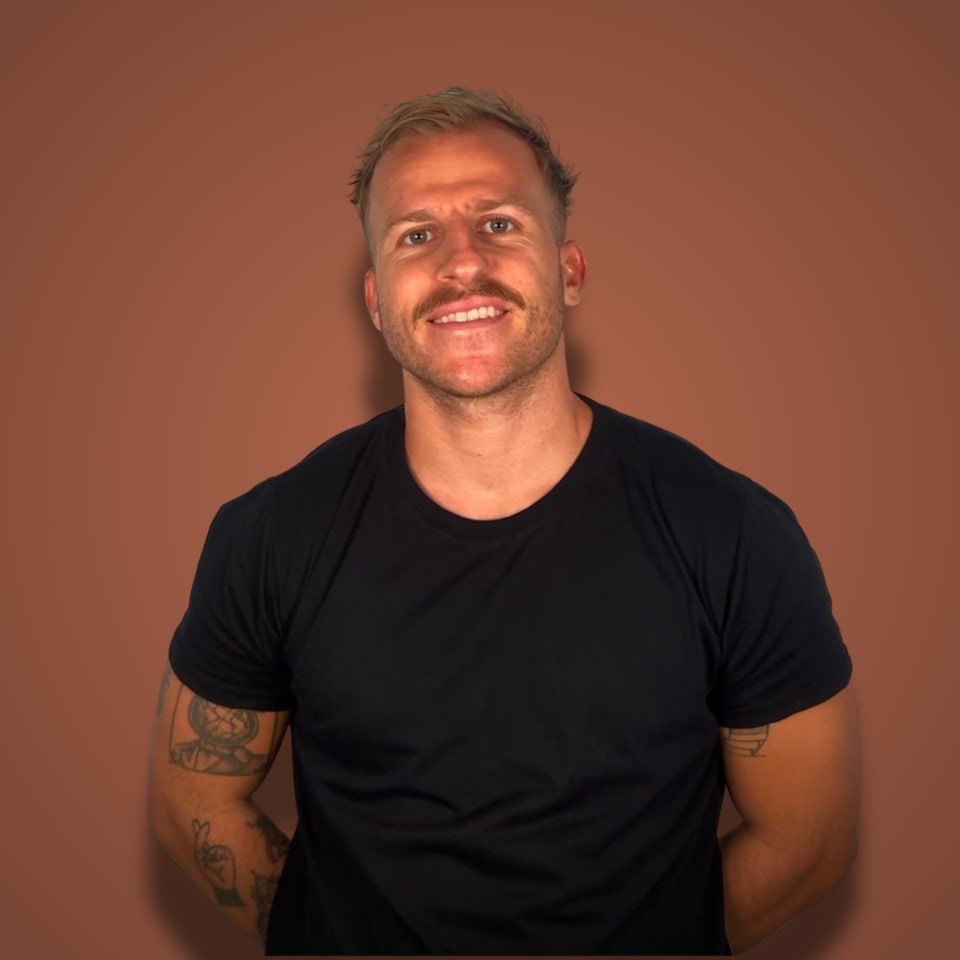
Nicholas Motamedi made his first million in profit at 16.
Not revenue. Profit.
By 21 he had ownership in a portfolio of games doing over $20 million a year, and he got acquired.
Here is the part that breaks your brain: the business was Fortnite maps.
Not a SaaS. Not an app. Custom game modes built inside Fortnite, monetized like a media company, run like a tiny private equity firm. I watched his interview on The Brett Way and kept pausing it to write things down, because almost every move he made maps directly onto how you should think about building a bootstrapped business in 2026.
Let me break the whole thing down.
The numbers most 21-year-olds never see
Let me get the timeline out of the way, because it is absurd.
At 13, Nicholas built a fake AirPods Shopify store.
At 15, he was in Discord communities learning to run trading bots.
At 16, he was making $100K a month running ads on a crypto project. He got banned almost immediately, because he was 16 and had no idea what he was doing. He also had nothing to spend the money on.
First million in revenue: 15 or 16. First million in profit: 16 or 17.
Then at 18 or 19 he lost almost all of it. More on that later, because that part matters more than the wins.
By 21 he is sitting across from Brett saying the words "we had ownership in a portfolio of games doing over $20 million a year" like he is telling you what he had for lunch.
I am not telling you this to make you feel behind. I am telling you because the mechanics are learnable. He is not a genius. He just kept doing things until they worked.
He didn't build one game. He built a portfolio.
Here is the structure, and it is the most founder-brained thing in the whole interview.
Most kids building Fortnite maps build one game and hope it pops. Nicholas ran three plays at once:
1. An in-house dev team. They built games from scratch inside UEFN (Fortnite's creator engine, which runs on a language called Verse). This was the part everyone sees.
2. A private equity play. This is the move. He would find kids who knew how to make viral game modes but couldn't build the engine efficiently, buy an equity stake in their game, and bring development support, brand deals, and IP partnerships. He described it like a record label. Talent makes the hit, the label brings the machine.
3. An ad-tech layer. Once he could put ads inside the games, he could pay a premium to acquire the best maps because he could squeeze more revenue out of every minute of gameplay than anyone else.
Read that last point again, because it is the whole game.
He could outbid everyone for the best games because he could monetize them better than everyone. That is not luck. That is a structural edge you build on purpose.
If you run a SaaS, this is the same logic as being able to spend more to acquire a customer because your LTV is higher than your competitor's. Whoever can pay the most to acquire usually wins. Nicholas just figured that out at 19 inside Fortnite.
The Brain Rot machine: 200 million views a month
The flagship was a game called Brain Rot Box Fights.
Twenty players get dropped into a box. Last one standing wins. Every round you spawn with a different superpower, and the superpower is a brain rot meme. Toon Toon Sahoor. Will Smith ranting about the economy. Whatever was popular that week, animated and dropped into the game.
Then they recorded in-game footage, turned it into short-form clips, and posted it across a network of UGC accounts they ran in-house.
At peak: roughly 200 million views a month on that one game.
Here is the part I want you to sit with. The product and the marketing were the same thing. The meme that made the game fun was the same meme that made the clip go viral. He engineered those two forces to point in the same direction.
That is the cheat code. When your product is inherently shareable, your marketing cost collapses. He even had a target: acquisition cost per player had to stay under 10 cents, because lifetime value of a player maxed out around 10 cents. So the whole machine was built around clipping content cheap enough to clear that math.
I have written before about how this exact UGC and clipping playbook works for app founders. If you want the tactical version of "make content that markets the product by being the product," read how PlayKit drove 12 million app downloads with UGC. Same engine, different industry.
The real moat was the boring automation
Everyone fixates on the viral game. Nicholas told Brett the real leverage was the ad tech.
They built a piece of code called FOV (field of view). It scans what is actually inside a player's field of view in the game and reports impressions and engagement back to an advertiser in real time. Then they built systems to automatically deploy ads into the games and measure everything.
Sounds small. It was the entire moat.
Brands could not run ads inside Fortnite and prove anyone saw them. Nicholas built the measurement layer, which meant he could put literal digital billboards in games and actually charge for them. That is what let him outbid for the top maps. That is what got him acquired by Womp to go lead their ad-tech team.
Notice what the moat was not. It was not a clever game idea. Game ideas get copied in a weekend. The moat was the unglamorous infrastructure that automated something everyone else did by hand or could not do at all.
This is the lesson I keep hammering with founders in my own world. The flashy thing gets attention. The boring automated system gets the acquisition offer. If you are a bootstrapped founder, the highest-leverage hours you spend are usually on the plumbing nobody claps for: the automated workflow, the measurement layer, the thing that quietly compounds. If you want a starting point on wiring that kind of thing into your own company, this breakdown of business automation systems is a solid place to think it through.
Why the influencer maps flopped and organic won
Early on, Nicholas did the obvious thing. He partnered with big Fortnite creators. LaserBeam, SypherPK, Caeso.
The Caeso game was the number one horror game on the entire platform. He spent two weeks learning the creator's lore and inside jokes, turned him into the villain of an escape-the-monster game, and it went insanely viral.
And it did not last.
Because an influencer launch is a one-time event. The creator posts once, their whole audience floods in, plays the game, and leaves. Single-play game. No retention. The spike looks amazing on a chart and then flatlines.
The games that actually grew used organic content across many accounts, not one creator's audience rinsed dry. Organic was cheaper and replicable. You could run it forever. An influencer is a firework. Organic is a fire you keep feeding.
His other quiet winner, Red vs Blue, had almost no social media clout but way more players, because kids just came back to play it every day. Stickier always beats louder in the long run. Retention is the only number that compounds.
If you are choosing between a big splashy launch and a slow channel you can run every day for two years, Nicholas already ran that experiment for you. Pick the one you can repeat.
He lost almost everything at 19
This is the part everyone skips and it is the most important part.
Around 18 or 19, Nicholas lost almost all his money.
The reason is the most founder thing in the world. He wanted to build something bigger, and to build it he would have had to either spend years learning every skill himself (game dev, solidity, the whole stack) or find another way. He bet big, the thing he was chasing did not pan out, and the money went with it.
His framing on confidence is worth tattooing somewhere. He said early on he was not confident at all. The only way he built confidence was by doing the things he said he would do. Small things first. "Resell sneakers, make $10,000 in 6 months." Then prove it. Then a slightly bigger thing.
Confidence was the output, not the input. He did not wait to feel ready. He did a small hard thing, finished it, and used that as fuel for the next one.
Most founders have this backwards. They wait to feel confident before they start. Nicholas started broke and unsure and let the doing generate the belief. The losses at 19 did not end him because by then he already knew he could rebuild. He had proof.
What this actually means for you
You are probably not building Fortnite maps. Doesn't matter. The transferable moves are everywhere in this story:
Build a structural edge, not a lucky hit. Nicholas could outbid everyone because he monetized better. Find the thing that lets you spend more to win and still profit.
Make the product and the marketing the same object. When the thing that makes your product good is the same thing that makes it spread, your CAC quietly dies.
Build the boring automation. The viral game gets views. The measurement layer gets the acquisition. Invest in the plumbing.
Choose repeatable over splashy. One creator launch is a firework. A channel you can run daily is a business.
Let doing build the confidence. Small finished thing, then a bigger one. Do not wait to feel ready.
He is 21. He started at 16 with a fake AirPods store. The gap between him and most people is not talent. It is reps.
If you want more young founders running this exact playbook in different industries, I broke down how Josh Suggs built 203 Media to $218K a month at 22. Same energy, same age, completely different business.
FAQ
Who is Nicholas Motamedi?
A 21-year-old founder who built and acquired stakes in a portfolio of Fortnite games doing over $20 million a year in revenue, plus an ad-tech platform for running and measuring ads inside those games. He was later acquired by Womp to lead their ad-tech team. He goes by @iamthemoat on X.
How do you make money building Fortnite maps?
Fortnite pays creators based on engagement, roughly a penny for every 10 minutes of gameplay. Top maps rack up tens of billions of minutes played. On top of that, Nicholas added ad revenue by placing measurable in-game ads, which made each player worth far more.
What was the FOV ad tech?
FOV (field of view) was a piece of code that scanned what was actually visible in a player's field of view inside the game and reported impressions and engagement back to advertisers in real time. It solved the measurement problem that stopped brands from advertising inside games.
How did Brain Rot Box Fights get so big?
By using pop-culture brain rot memes both as the in-game superpowers and as the hook for short-form clips. The team posted those clips across an in-house network of Fortnite-audience accounts, hitting roughly 200 million views a month at peak, while keeping player acquisition cost under 10 cents.
What is the biggest lesson for a bootstrapped founder?
Build a structural edge that lets you monetize better than competitors, make your marketing and product the same thing, and invest in the unglamorous automation that becomes your real moat.
Want the full conversations with founders like this?
I run the Profitable Founder Podcast, where I sit down with bootstrapped founders and pull apart exactly how they built businesses doing $100K to $10M a year. Real numbers, real playbooks, no fluff.
If this story got your wheels turning, the podcast is full of them.