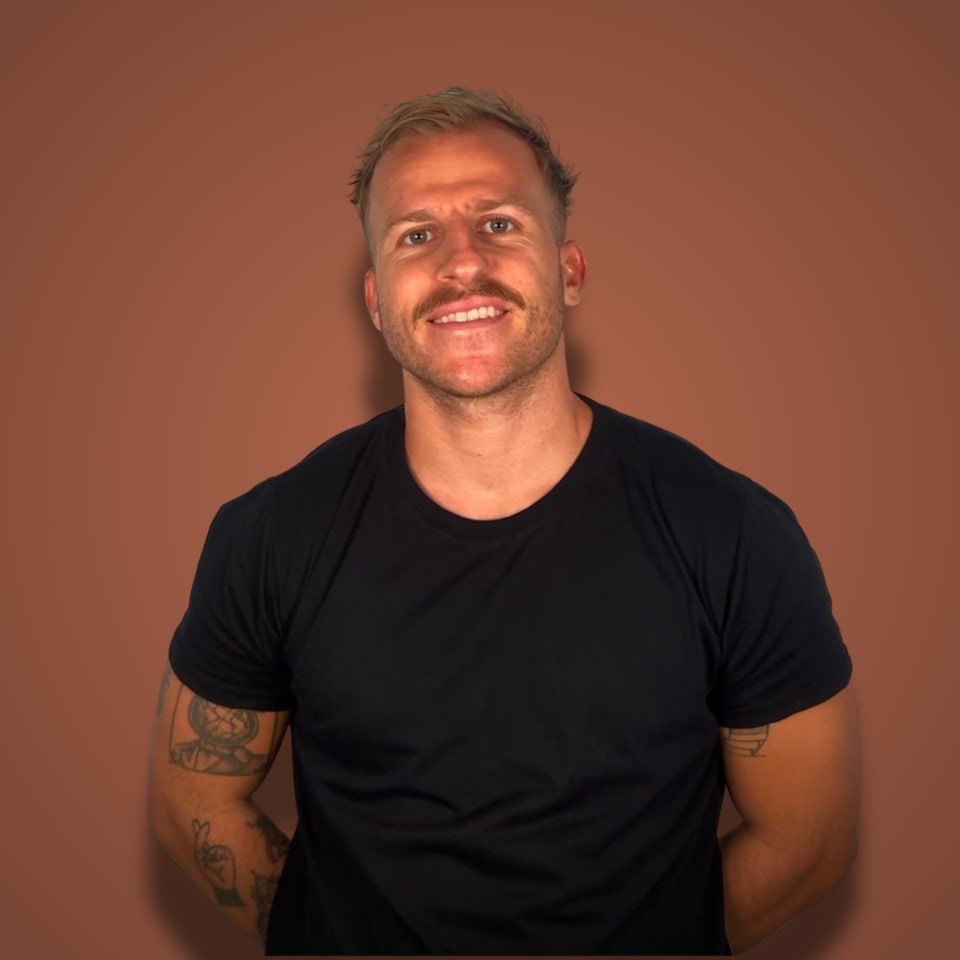
Most founders launch with a free trial and hope the conversions show up in month two.
Umberto pre-launched a yoga app with a lifetime deal launch and collected $120,000 in 24 hours.
An app for yoga teachers, built by a guy who can't code and whose previous startup failed.
He came on Starter Story and walked Pat Walls through the whole playbook: the 5-week email sequence, the pricing tiers, and the one rule he refuses to break (never show the price before launch day).
Here's the full video, then I'll break down the mechanics:
The Numbers Behind the $120K Day
The app is Flogga, a mobile app where yoga teachers and practitioners build pose sequences, filter by style or chakra, and run guided practices with per-pose timers.
Umberto pre-launched it on May 5, 2025, at 2:00 p.m.
By the end of that day: $117,000. The full 24-hour window cleared $120,000, from somewhere between 500 and 600 early customers buying lifetime access.
There was no free trial, and no refunds either. If you wanted to try before buying, your option was to wait a couple of months for the subscription plans.
Sounds brutal, but that hard line is the whole strategy. A lifetime deal with a refund escape hatch is just an expensive trial.
Today Flogga runs on subscriptions (monthly, quarterly on the website only, and yearly), has around 4,000 active users across paid and free, and does $9,000 to $10,000 a month in recurring revenue on top of that launch cash.
The Unlikely Path: Failed Startup, Ski Slopes, Then Kickstarter
Umberto studied economics. In 2012 he raised seed funding for a startup that failed.
Then he walked away from tech completely. Ski instructor. Fashion photographer. (Quite the pivot from cap tables.)
He came back around 2016 as an advertising and growth strategist, helping companies launch and position products. That detail matters more than anything else in this story, because launching is a skill, and he'd been paid to practice it for years.
In 2020, during COVID, he and his girlfriend created Play Pause Be: physical decks of cards that help yoga teachers build sequences. They launched it on Kickstarter and generated over $200,000 in the first month.
So when he sketched the Flogga concept one evening a year and a half ago, he already had two things most app founders don't: an audience of yoga customers, and a decade of launch reps.
He's still not a developer. He found one and paid him.
The 5-Week Email Sequence That Did the Selling
The pre-launch ran about a month and one week. Every email had a job.
Phase 1: pure storytelling. The first emails revealed nothing about the app. They built interest and laid the groundwork for what was coming.
Phase 2: engineered confusion. This is my favorite part. They sent their existing customers an image with the physical card deck in the back and a mystery object in front. Was it another physical product? Something else entirely? People replied guessing.
Phase 3: the reveal. They pulled back the curtain, showed the app, and linked to a video where Umberto walked through every feature as it existed at that moment, plus what was still on the roadmap.
Phase 4: launch mechanics. The final emails explained how the lifetime deal would work: limited spots, a limited window, and a strict no-refund policy.
And through all five weeks, one rule held: the price never appeared before launch day.
Umberto's logic: the moment people see a price, they evaluate your product on price. Show it early and they can't unsee it. Hide it, and for five straight weeks they judge the app on features and vision instead, so by the time the price finally drops, the buying decision is mostly made.
He published the whole sequence on his blog for anyone to copy. Pat's advice on the episode: take those emails, feed them to an LLM, and rebuild the sequence for your own product.
Three Tiers, and the Cheap Ones Sell the Expensive One
Pricing was structured, not guessed:
- Tier 1, around $109: lifetime access to a limited feature set
- Tier 2, around $199: more features
- Tier 3, around $349: everything, including the full future vision
The first two tiers exist mostly as reference points. They anchor the $349 tier and catch the skeptics who like the idea but won't commit full price to an unfinished app.
Umberto sees underpricing as the classic mistake here. Founders price low because the product isn't finished and they're scared nobody will pay. He says that fear leaves serious money on the table.
Pat added a useful frame for setting the number: estimate what a subscriber would pay you over 24 months, and price the lifetime deal there. That way you collect the same revenue up front instead of waiting two years for it.
Scarcity did the rest: capped spots, and a window of 5 to 7 days maximum. Long enough to reach everyone, short enough that procrastinators have to decide.
Why a Lifetime Deal Beats a Free Trial for a V1 Product
Every investor will tell you lifetime deals destroy your valuation. Umberto's answer is that early on, you have no LTV data and no churn data, only assumptions. A lifetime deal converts those assumptions into cash in your bank account.
His sharper point is about incentives. A monthly subscriber has optionality: something breaks, they cancel, maybe leave a bad review, and you learn nothing. A lifetime buyer has commitment. They paid, so they want the app to win, which turns them into bug reporters and feature-request machines.
Flogga put its early adopters in a Telegram group, and Umberto says most of the features shipped in the following months came straight from that group's feedback.
There's also a segment of buyers who simply hate subscriptions. Umberto puts their willingness to pay for lifetime access at three to five times a yearly plan.
His summary line is the best pitch for the model I've heard: you're raising capital from your customers, without giving away equity, control, or board seats, and the "investors" hand you a product roadmap as a bonus.
I wrote a deeper comparison of the two models in lifetime deal vs subscription if you're weighing this for your own product.
Umberto's Start-Over Playbook
Pat asked what he'd do with all this experience if he had to start from zero. Umberto gave a numbered playbook:
1. Validate before you build. Before writing a line of code, talk to 5 to 10 people in your target market about the problem. Never tell them why you're asking, so you get unbiased reactions. He recommends The Mom Test for how to run these conversations (I broke down how another founder used the same method to hit $69K/month in customer discovery calls).
2. Define your minimum launchable product. Not minimum viable. The question is: at what development stage does the app convey enough value that early adopters will pay? Estimate how long that takes, and plan the launch around that date.
3. Build the content machine before you promote anything. Emails, graphics, videos, and landing pages, all ready before lead generation starts. And write it from the user's shoes: things obvious to you as the builder need to be explained simply to someone deciding whether to trust you with $349.
4. Structure your pricing. Three tiers, anchored high, revealed only on launch day.
5. Launch with hard edges. Total transparency about what exists and what's still roadmap. No refunds, limited spots, and a 5-to-7-day window. The deadline does the closing for you.
The Stack That Collected $120K
For everyone who thinks they need a custom backend before charging money, Flogga's stack:
- Flutter for the app
- Firebase, around $25 a month
- RevenueCat for subscriptions
- Vimeo for the pose videos (already paid for through the card business)
- OneSignal for push notifications
Roughly the cost of a gym membership, running a six-figure launch.
His parting advice to his younger self: stop waiting for perfect. "Perfection is just fear disguised as preparation." Put the unfinished thing in front of real people, take the uncomfortable feedback, and ship earlier.
FAQ
What is a lifetime deal launch?
You sell permanent access to your product for a one-time payment, usually during a short pre-launch window before subscriptions open. Flogga sold lifetime access in three tiers ($109 to $349) over a few days, collected $120K from 500 to 600 buyers, then switched to normal subscription pricing for everyone after.
How much should I charge for a lifetime deal?
Pat Walls' rule from the episode: estimate 24 months of subscription revenue per customer and price there. Umberto used three tiers around $109, $199, and $349, with the lower tiers acting as anchors that make the top tier look reasonable. Both agree the common mistake is pricing too low out of fear.
Don't lifetime deals kill your recurring revenue?
The lifetime buyers were people who might never have converted from a free trial anyway, and Flogga still built a subscription business on top: $9K to $10K a month within a year of launch. Early on you have no churn or LTV data, so trading uncertain future revenue for $120K of certain cash (plus 600 committed beta testers) is a good deal.
Do I need an audience to pull this off?
It helps a lot. Umberto emailed customers from his physical yoga card business, built on a $200K Kickstarter. If you're starting from zero, build the audience first or run lead generation during your pre-launch like he did for cold traffic. The email sequence works the same either way; it just needs inboxes to land in.
Steal Launch Playbooks Like This Every Week
This is exactly the kind of founder I chase down for the Profitable Founder Podcast: bootstrapped, real numbers on the table, happy to hand you the exact sequence that made the money.
If a $120K launch day sounds better than another quarter of hoping the free trial converts, come listen.