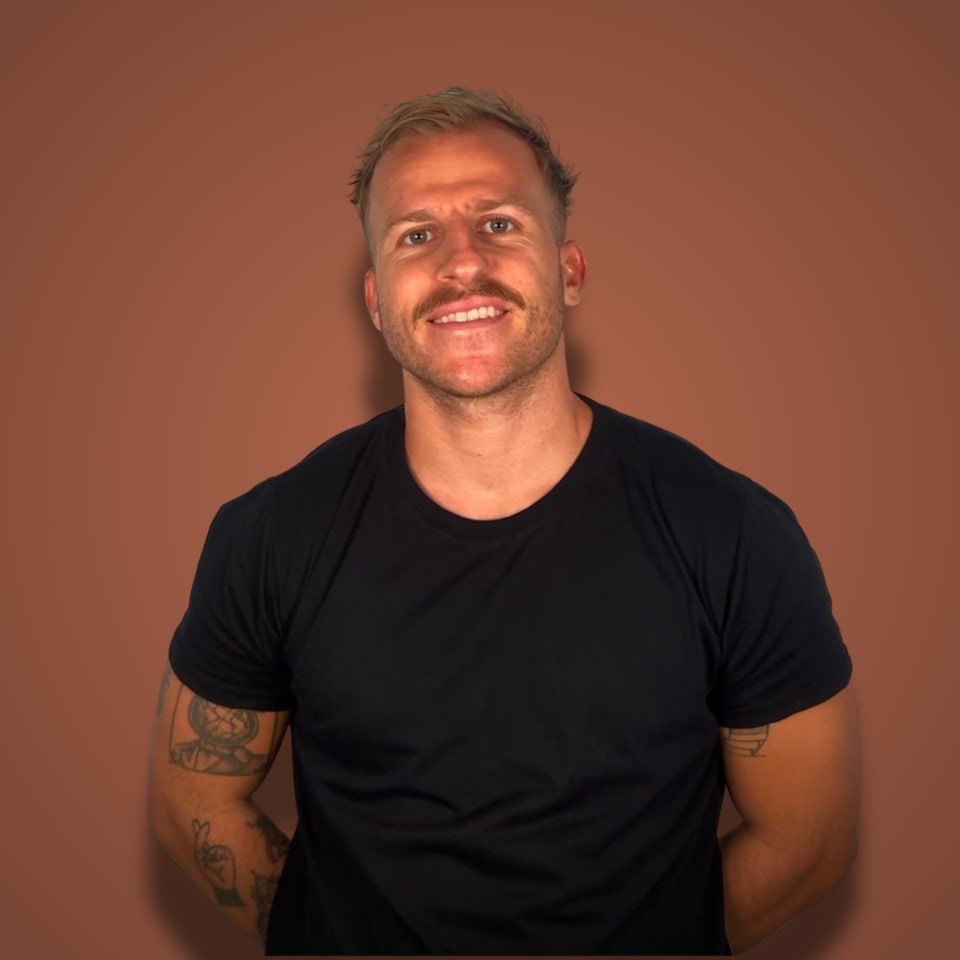
Most mastermind groups are dead by month three.
Not because the idea is bad. Because the setup was lazy.
Someone posts "anyone want to do a weekly founder call?" in a Slack channel. Six people say yes. Four show up to the first call, two show up to the third, and by call five it's just you and one guy who mostly wants to talk about his crypto portfolio.
I've been on both sides of this.
I paid $13,000 to join a mastermind when my SaaS was doing $15K to $20K a month. Stupid decision, right? Six months later I was at $75K a month. I later sold that company.
Now I run my own group, Profitable Founder Club, and I've watched up close what makes founder groups work and what quietly kills them.
You don't need $13K for this. You can start a mastermind group yourself, for free, this month. But only if you build it like an operator instead of hoping good vibes hold it together.
This is the exact playbook.
Why most mastermind groups die by month three
Before the steps, know what you're up against. Groups fail for one of three reasons:
→ No shared goal. "Support each other" is not a goal. Nobody skips a client call for vague support.
→ Wrong mix of stages. A pre-revenue founder and a $40K MRR founder have almost nothing tactical to trade. One is asking "how do I get my first customer", the other is debating a second hire. Both leave calls feeling like they gave more than they got.
→ No structure. "Let's just catch up" turns into a hangout. Hangouts are nice. Hangouts don't survive a busy week.
Every step below exists to kill one of these three failure modes.
Step 1: Decide the one thing the group is for
Write one sentence: "This group exists to help [who] get to [specific outcome]."
Mine, for reference: SaaS founders between $5K and $50K MRR getting to $100K MRR.
Notice what that sentence does. It tells a $2K MRR founder this isn't for them yet. It tells an agency owner this isn't for them at all. That's the point. A mastermind's value is the overlap in problems, and the sentence is your filter.
If you can't write the sentence, you're starting a friend group, not a mastermind. Also fine. Different thing.
Step 2: Recruit 4 to 6 founders at your stage
The math on group size is simple.
With 4 to 6 people, everyone gets a hot seat at least every three weeks. With 10, people wait six weeks to talk about their business, lose interest, and ghost. With 3, one absence kills the call.
Six is the sweet spot. Recruit 6 knowing one will drop early.
Who to invite:
→ Same stage, give or take. If you're at $10K MRR, look for $5K to $30K. Close enough to share problems, spread out enough that someone's already solved yours.
→ Different businesses. Two founders selling to the same buyer gets weird fast. You want overlapping problems, not overlapping customers.
→ Builders, not talkers. One question filters this: "what did you ship last month?" People with a real answer make good members.
And be honest about the awkward one: don't invite your best friend just because they're your best friend. You'll go easy on each other, and going easy is the opposite of what you're paying for (in time, if not money).
Step 3: Find members where founders already hang out
You don't need an audience to fill 5 seats. You need 15 conversations.
Where I'd look, in order:
- X, build-in-public circles. Search for founders posting real MRR numbers near yours. They're already public about the journey, which means they're already looking for peers. DM them the one-sentence goal from Step 1 and the format from Step 4. That's the whole pitch.
- Communities you're already in. Slack groups, Discords, paid communities. Post the sentence, ask for DMs, take the 3 best fits.
- People you've exchanged real replies with. That founder you've been trading comments with for six months? That's a warm invite.
Expect a third of people to say yes. 15 good DMs gets you your 5.
One more filter before you lock the roster: a 20-minute call with each person. You're checking for one thing. Do they talk in specifics (numbers, experiments, failures) or in vibes? Specifics get a seat.
Step 4: Lock the format before the first call
Structure is what separates a mastermind from a group chat with a calendar invite.
The format that works, and that almost every serious group converges on, is the hot seat:
→ 90 minutes, every two weeks. Weekly burns people out. Monthly loses momentum. Bi-weekly is the survivor's cadence. In my Club we run bi-weekly calls and solve 3 member problems per session. That rhythm has held up.
→ 10 minutes of wins and numbers. Everyone shares MRR (or their key metric) and one win. Sharing numbers is the price of entry. It's also the accountability engine: nobody wants to report the same number three calls in a row.
→ Two or three hot seats, 20 to 25 minutes each. One founder presents one specific problem ("trials aren't converting", "first hire, terrified"). The group asks questions first, then gives advice. Questions before advice matters more than any other rule; advice on a misdiagnosed problem is worthless.
→ 5 minutes of commitments. Everyone states one thing they'll do before the next call. Written down, revisited at the top of the next call.
I wrote a full breakdown of running the actual session in how to run a mastermind meeting, including the agenda I use. Steal it.
Step 5: Set the rules on day one
Rules feel heavy for a group of 5 people. Set them anyway. Every dead mastermind I've seen died from a rule that didn't exist.
The four that matter:
- Attendance. Miss two calls in a row without a heads-up and you're out. Sounds harsh. It's the kindest rule on the list, because one flaky member gives everyone else permission to flake.
- Confidentiality. Numbers and struggles stay in the room. Founders only share real MRR when this rule is explicit.
- No pitching. Nobody sells to the group. One pitch turns peers into prospects and the trust never recovers.
- Cameras on, laptops closed. A hot seat with someone half-answering Slack isn't a hot seat.
Say them out loud on call one and get verbal agreement from every member. Takes five minutes. Saves the group.
Step 6: Run the first call
The first call has one job: make everyone think "these are my people" within an hour.
Agenda for call one:
→ 20 minutes of intros with numbers. Name, product, MRR, biggest current problem. Going first with your real numbers sets the depth for everyone.
→ Read the rules, get agreement (5 minutes).
→ One volunteer hot seat (25 minutes). Pick the member with the most concrete problem. One good hot seat teaches the format better than any explanation.
→ Schedule the next 6 calls (10 minutes). Same day, same time, every two weeks, recurring invite sent before anyone hangs up. Groups that "figure out scheduling later" don't have a later.
Tools: any video call plus a shared doc for commitments. I've seen groups run entirely on a group chat and a recurring Zoom link. Nobody ever quit a mastermind over software.
Step 7: Keep it alive past month three
Starting is the easy part. Here's what the surviving groups do:
→ One person owns it. Rotating "whose turn is it to organize" is how groups dissolve. If you started it, you run it. Budget 30 minutes a week.
→ Track commitments visibly. A shared doc with each member's commitment and a done/not-done column. Streaks work on founders too.
→ Do a month-three review. Ask everyone privately: is this worth your 90 minutes? Fix or cut what isn't working, including members. Pruning one wrong-fit member usually saves the other five.
→ Add proof of progress. Every quarter, look at the wins log. When members can point at "joined at $8K, now at $19K", the group defends itself in everyone's calendar.
Should you charge money for it?
For a peer group you're starting this month: no. Charging your first 5 members changes the dynamic from "peers" to "customers" and you don't want to be support staff.
But know the honest tradeoff: free means easy to quit. The attendance rule from Step 5 is doing the work money would do.
Here's what I learned paying $13K: I never missed a call. Not one. At that price I showed up prepared, applied everything, and got to $75K a month partly because quitting was never on the table. Skin in the game is a feature.
Some free groups add stakes another way: everyone puts $500 in a pot, miss the rules and you lose it. Blunt, but it works.
If you want actual price ranges before deciding anything, I broke them down in how much a mastermind costs.
Or skip the setup and join one that already works
Running a mastermind is a part-time job for the first two months. Recruiting, filtering, scheduling, chasing commitments. Somebody has to be the operator, and if you start the group, it's you.
Some founders read this playbook and think "let's go". Start your group, run it exactly like this, and it'll outlive most.
Others read it and think "I want the room without the second job".
That second group is why I built Profitable Founder Club. SaaS founders at $5K to $50K MRR pushing to $100K. Bi-weekly calls where we solve 3 member problems per session, a monthly Q&A with founders already past $100K, and batches capped at 20 so nobody hides. The rules above aren't theory, they're how we run it.
Apply to Profitable Founder Club →
FAQ
How many people should be in a mastermind group?
4 to 6. Everyone gets a hot seat at least every three weeks, one absence doesn't kill a call, and the group fits in a single conversation. Above 8, members wait over a month between hot seats and engagement drops fast. Recruit 6 and expect to settle at 5.
How often should a mastermind group meet?
Every two weeks, 90 minutes, same day and time. Weekly sounds ambitious and burns out busy founders by month two. Monthly leaves gaps long enough that nobody remembers the commitments. Bi-weekly keeps momentum without eating your calendar, and it's the cadence most long-running groups land on.
Should a mastermind group be free or paid?
A peer group you start yourself should be free, with a strict attendance rule doing the job money normally does. Paid masterminds work differently: the price filters for serious members and makes people show up. I paid $13K for one and never missed a call. Start free, join paid when you want stakes.
What tools do I need to run a mastermind online?
A recurring video call link, a shared doc for numbers and commitments, and a group chat between calls. That's the whole stack. Fancy community software matters at 200 members, not 5. No group ever died from simple tools; plenty died from nobody sending the calendar invite.
What happens when a member stops showing up?
Enforce the rule from day one: two misses in a row without a heads-up means they're out. Have the conversation privately and kindly, then backfill the seat from your original list. One flaky member resets the standard for everyone, and pruning is usually what saves the group.