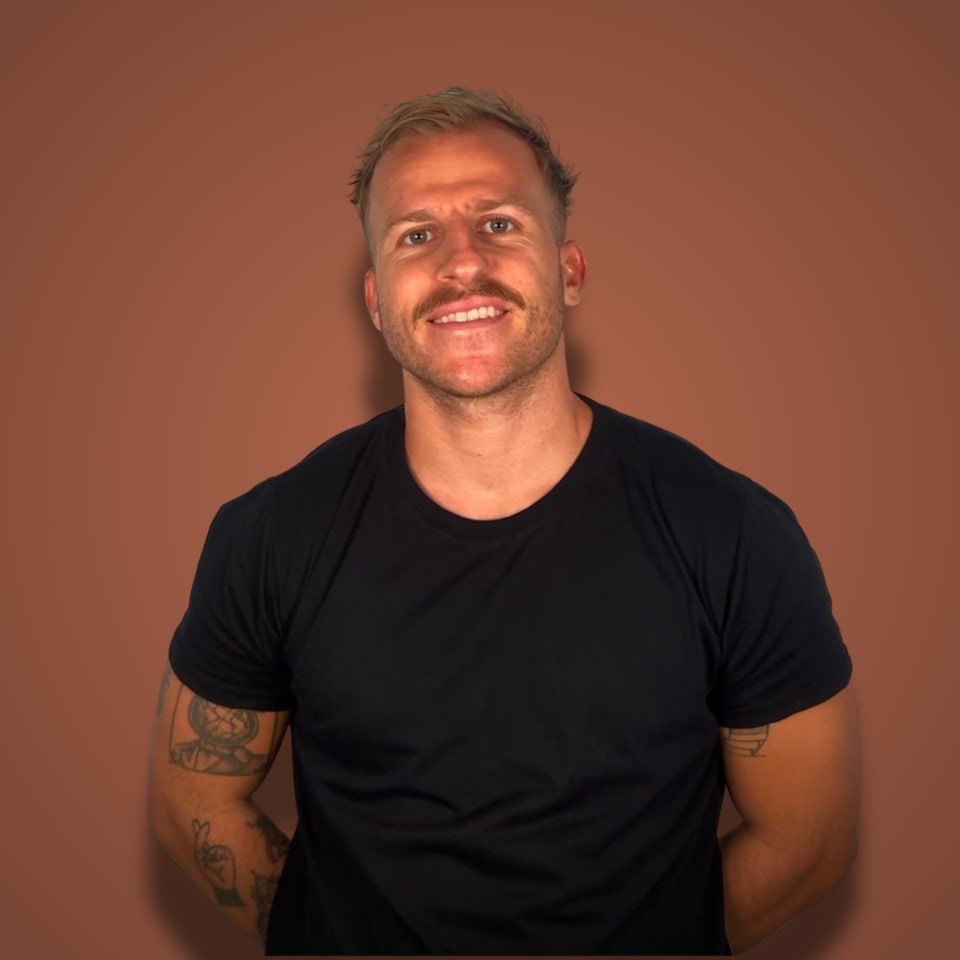
Oliver installed OpenClaw on a free gaming PC that was collecting dust under his desk. Within a week and a half, his app was making money, his article hit 7 million impressions on X, and his agent "Larry" had its own crypto coin.
He works at RevenueCat. He hated marketing for 2 years. He's a self-described bad writer.
Then he gave one AI agent full control of his marketing funnel, and it started printing TikTok views that turned into paying users on autopilot.
Now he's giving the whole thing away as a free skill on the OpenClaw marketplace. 1,600 people grabbed it the morning we recorded.
I sat down with Oliver on the Profitable Founder Podcast. Here's the full playbook.
The setup: a dusty gaming PC, not a $500 Mac Mini
Oliver heard about OpenClaw in an internal RevenueCat channel, then started seeing it on Twitter. That Saturday morning, before heading to football, he made it his mission to revive his old gaming PC.
He wiped it, installed Ubuntu, installed OpenClaw, hooked up WhatsApp, and left for the stadium.
Then it hit him. He was sitting in a stadium with 20,000 people, texting his computer at home, and it was doing real tasks. That was the moment he was hooked.
His take on the Mac Mini craze? People buying 500-pound Mac Minis specifically for OpenClaw are doing it the expensive, ridiculous way.
→ The real minimum requirements are tiny
→ The only things worth upgrading are memory (more concurrent tasks) and storage (more building)
→ A spare computer you already own costs nothing extra
His gaming PC was overkill, but it was free. "It wasn't a cost going out. It was a cost I'd already spent and enjoyed, and now it's got new purpose."
One agent named Larry, no dashboard, no chaos
Most people overcomplicate OpenClaw with Discord channels, Slack threads, and a small army of named sub-agents. Oliver went the opposite way.
He uses WhatsApp. Just WhatsApp. It's where he talks to family and friends, so dropping his agent in there made it personal. He talks about Larry like a friend.
(The name? Larry the Lobster from SpongeBob, because OpenClaw's whole thing is a lobster.)
There's no dashboard and no HQ. He texts one entity, Larry, and treats him as the boss of the agents.
→ Larry spins up his own sub-agents for tasks
→ Larry picks whichever model he thinks fits
→ Oliver just reads the output and trusts the process
His logic: the second you have too many named agents trying to carry context across channels, it stops feeling magic and starts feeling like a job.
The article that hit 7 million impressions (co-written with Larry)
Before the article, Oliver had around 1,900 followers. After he started posting Larry's results, he 10x'd his following.
The article itself crossed 7 million impressions. And here's the twist: he co-wrote it with his agent.
Oliver isn't a confident writer, but he knew the playbook would help people. So he wrote his paragraphs, then handed them to Larry.
Larry never edited Oliver's words. He left each paragraph intact and added his own perspective underneath. The result reads as two voices, the founder's and the agent's, telling the same story.
I do the same thing. One of my articles hit 300,000 impressions, and I only wrote the title and the first three sentences. Larry knows the workflow better than the founder does, because he helped build it. If you're curious how far this copying-and-building approach goes, here's how to build a micro-SaaS the lazy way.
How Larry actually makes money: the full funnel in one agent
Here's the part almost nobody pulls off. Most people play with OpenClaw. Very few make money. Oliver did.
For 2 years he ran his app Snuggly (an interior design app) and avoided marketing. His old process: manually write a text file of hooks, record demo clips, run a script to mash them together, bulk-upload, then forget about it for 2 months. Two hours of work every two months.
Larry turned that into full automation. But the real magic isn't content creation. It's the funnel.
→ Larry creates TikTok slideshows: the hook, the middle, the CTA
→ He tracks views on each post
→ He tracks new users landing in the app
→ Plugged into RevenueCat, he tracks conversions, churn, and refunds
Now the whole funnel is visible to one agent. And he reads it like a diagnostician:
→ Lots of views, few new users? The CTA was bad
→ Few views, but most who saw it joined? Good CTA, bad hook
→ Lots of users, few conversions? Something in the app is broken
One real example: a video hit 200,000 views with zero conversions. The next day Larry flagged it and rebuilt the onboarding, adding a question asking which room the user wanted to redesign. That answer fed a RevenueCat custom attribute, which personalized the paywall to that exact room.
The Larry skill replaces about five people: marketer, analyst, community manager, and more. Oliver gave it away free because, in his words, "It took two days to make the workflow, and a day for Larry to turn it into a skill. I felt almost bad charging."
The slideshow trick: get the hook wrong on purpose
Larry researched what converts by reading Twitter, scanning popular slideshow accounts, and studying competitors via his Brave API browser. Then he generated images with GPT-image-1.5 and added text overlays using a canvas dependency.
The winning formula wasn't outrageous rooms. It was ordinary, achievable, British-looking rooms that matched the average person's taste.
The reach hack is almost too funny. Larry once generated a kitchen where the oven and hob vanished between slides. Oliver posted it anyway, and it became his most popular video, because everyone rushed to the comments to point out what was missing.
→ Label a 70s room as "the 90s" and boomers flood the comments correcting you
→ Mistakes in the slides drive comments, and comments drive reach
→ Great for eyeballs, though Oliver admits conversions on those weren't his best
Another founder, Jack Friks, downloaded the skill and used it on his B2C app with slideshows and got results. Someone else downloaded Larry two days before we recorded and landed their first paying user the same morning.
I interview founders like this every week → Watch the Podcast
The warning: secure it, or wake up bankrupt
Oliver is blunt about the risks. His two safety rules:
First, never install a skill you don't understand. The CroHub filled up fast with skills pulling random dependencies and code from unknown URLs. People came straight from Claude Code, installed them willy-nilly, leaked their API keys, and woke up bankrupt. He made the Larry skill deliberately readable so you can see exactly what it does.
Second, if you don't understand cloud security, don't spin up a VPS and connect every device in your house to it. One breach and the hacker has your work laptop, your home PC, and your phone.
His advice (and mine): use spare hardware or a Mac Mini you can physically unplug if it goes rogue. In the UK, Apple offers 0% finance, so a Mac Mini can be 30 pounds a month for peace of mind.
On cost, his message is simple. The people screaming about $100-a-day bills are burning raw API keys on tasks they don't need. On the Claude Max plan, he's never once hit his limits. Don't pay for the Max plan and the API. Pick one model you enjoy and stick with it.
Frequently Asked Questions
What is OpenClaw and who made the Larry skill?
OpenClaw is an AI agent hosted on your own machine at home with full access to whatever you give it. Oliver, who works at RevenueCat, built "Larry," his personal OpenClaw agent, and released a free Larry skill on the official OpenClaw marketplace to automate marketing all the way down to revenue.
How does Oliver make money with OpenClaw?
Larry automates TikTok slideshows that drove millions of views to his app Snuggly, then tracks the full funnel through RevenueCat (views, new users, conversions, churn) and iterates. He also earned from affiliate links in his viral article and a Larry crypto coin that took off after the article hit 7 million impressions.
Do I need a Mac Mini to run OpenClaw?
No. Oliver runs it on an old gaming PC he got for free, with Ubuntu installed. He says the minimum requirements are tiny and buying a 500-pound Mac Mini specifically for OpenClaw is overkill. Any spare computer with a bit of memory and storage works, though a Mac Mini you can unplug is safer than an unsecured VPS.
The lesson? You don't need a team or new hardware to start making money with an AI agent. You need spare compute, one focused funnel, and the nerve to let it iterate.