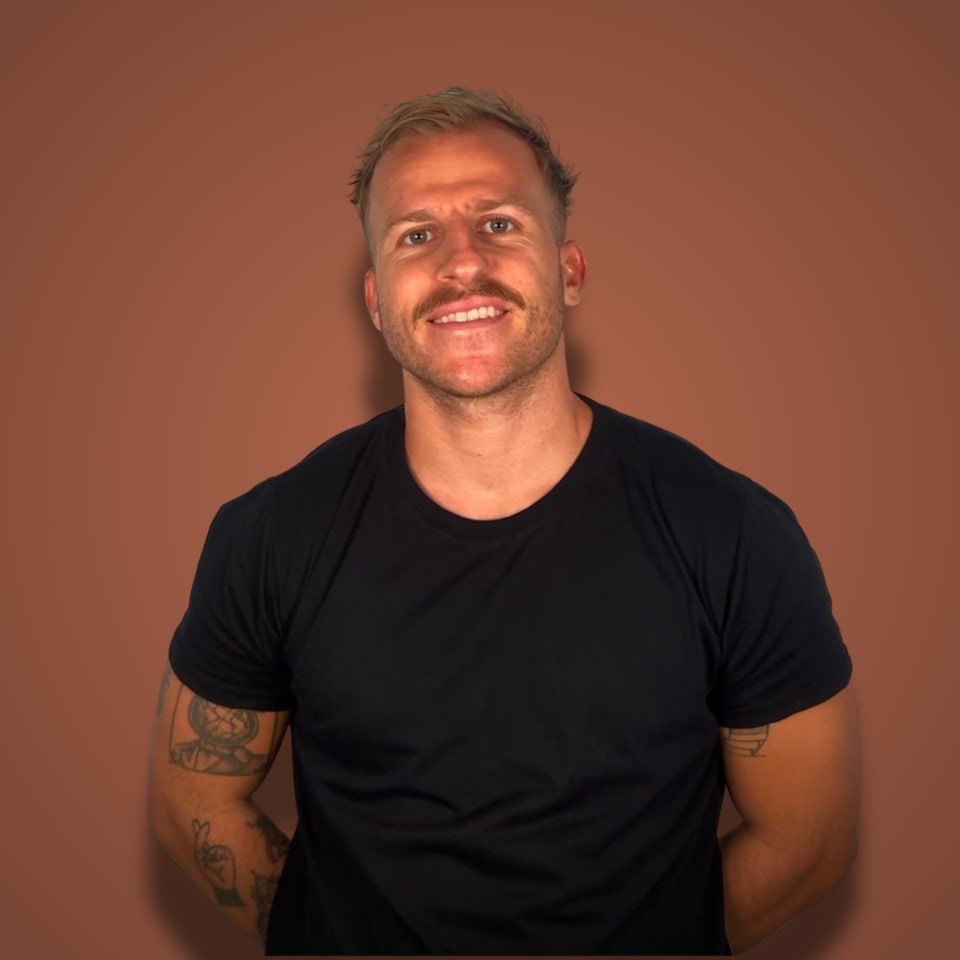
Zero to $1M ARR in 10 months. One product. Just Google Ads and SEO.
Miki sells access to APIs he doesn't own. His company is a social media API that lets other software add posting, analytics, comments, DMs and ads without touching Meta or TikTok's developer programs directly.
The churn is near zero, because once a big software wires all its user accounts into his API, leaving means re-migrating every single user. Good luck with that.
Before this, he raised "a huge amount of money" and built a 100-employee VC-backed company in Spain. Then he walked away to start over, 100% bootstrapped, at 25 years old.
I sat down with Miki on the Profitable Founder Podcast. Here's the full playbook.
He quit the VC path on purpose
Most founders dream of raising. Miki did the opposite.
His first company, Ucademy, was a Spanish exam-prep edtech with around 100 employees and a big raise behind it. Successful on paper. But it stopped feeling like his.
"There was a moment I felt it wasn't my company anymore," he told me. "I felt more like I had a job than that it was my company."
He pointed to the real trap of VC money: a growth target that's always moving. You're never satisfied, it's never enough, you're burning cash, so you have to keep raising. He was doing great and still felt like he was failing.
So he dropped out of his own company. Then spent a year lost, trying things. His next company, he decided, would be bootstrapped.
Two flops before the $1M one
It didn't click straight away.
Before this product, Miki built two smaller SaaS. One hit 5K MRR. The other reached 7-8K MRR. Not bad. But he wanted more.
His idea process? → Build from pains he had himself, or → copy a startup he saw and do it better.
One early tool was an invoice extractor, born from a real headache at his old company. Good revenue, but a brutal space (tax, compliance) and he never felt product-market fit.
Then he spotted the opening. Lots of people were building social media integrations. Nobody was building an API-first tool for it.
That bet became the company. Same instinct most bootstrappers use when they build a micro-SaaS by copying a proven playbook instead of inventing a market from scratch.
Shipped in a weekend, ads from day zero
The V1 took one weekend.
Here's the exact sequence Miki followed:
→ Felt the urge to build, didn't overthink it
→ Shipped 4-5 integrations at most (Meta API, TikTok API, Twitter API)
→ Bolted on Stripe
→ Put up a landing page
→ Turned on Google Ads immediately
That last one is the part he says nobody else does. Ads from day zero. Even with no profit and almost no money in the bank.
"This helped us get a lot of attention since the beginning, and iterate faster."
His VC background made it easy. At Ucademy they leaned hard on ads, so running paid from day one felt natural. He combined the VC growth mindset with a bootstrapped wallet. He doesn't think those two things are incompatible at all.
The keyword trick that prints money
The targeting is the clever bit.
Miki bids on hyper-intentional searches: "Meta API", "Google API", "YouTube API", "TikTok API". Anyone Googling those is trying to build with that API, and his product is the easier alternative to building it themselves.
Ranking organically for "Meta API"? Forget it. You can't outrank Meta on its own brand term. But with a paid ad, you slot right in.
So the split is simple:
→ Google Ads for the competitive, branded API keywords
→ SEO for long-tail and softer branded terms
He kept spending more and more on Google as it worked. And the funnel was almost mechanical: double the ad spend, double the signups, double the MRR, month after month.
First three months: 10K MRR. Then bigger software clients started signing, paying far more because they had thousands of connected accounts. The MRR curve went vertical. At one point it jumped from 40K to 80K MRR in about two months.
And no, there was no single viral moment. He even did a Product Hunt launch around March. His verdict: it brought basically zero revenue. All the growth came from the same two channels that already worked.
Churn near zero by design
This is the moat.
On the small plans (a solo dev with 8-10 accounts), churn is actually high. People come and go.
But when a big software integrates the API, every one of their users' social accounts runs through it. To leave, that customer would have to disconnect all those accounts, rebuild the integration elsewhere, and re-migrate every existing user. That's friction they'd be passing to their own customers.
So they don't leave.
To keep growth and product quality in balance, Miki hired early. First hire came around month three or four. The first four people were all developers (one purely on support, fielding 150 conversations a day in Crisp). The fifth, hired about a month before we talked, was his first growth person.
Feature requests come straight through the support chat. If it's small, they tell Claude to ship it and push it the same day. Bigger stuff goes on the roadmap.
I interview founders like this every week → Watch the Podcast
The rebrand he almost didn't do
The company started life as Get Late, on getlate.dev.
Two problems. The domain was hard to spell out loud. And "late" is so generic that searching it on Google would never surface his company. There was also a social media scheduler called Later that he worried might come after him one day.
So after a few months of traction, he rebranded. The technical work (redirects, migration) took one or two weeks at most. Designing the new brand took longer.
His advice: ship something fast, and if it sticks, rebrand later. The hard part is mostly mental, not technical. Just follow Google's redirect rules and the SEO recovers quickly.
What he'd do if he started over
I asked Miki for the clean playbook, no mistakes. Here it is:
→ Pick an idea that already grows. Don't reinvent the wheel. Find a company that's working and build a better alternative, so you don't have to create a market.
→ Pick something you'd enjoy and can build yourself.
→ Run ads from day one.
→ Build a team as fast as you can, so you're not doing everything alone.
→ Focus on one channel and improve it hard, instead of shooting at everything.
His other lesson is about noise. He spends 1-2 hours a day on Twitter and thinks that's already too much. The companies that win, in his view, spend less time in the conversation and more time with customers. He keeps his team small on purpose so they don't make the "stupid decisions" over-funded startups make when they have cash to burn.
Frequently Asked Questions
Who is Miki and what does his company do?
Miki is a 25-year-old founder based in Barcelona who has been building companies since he was 18. His current SaaS is a social media API that lets other software add posting, analytics, comments, DMs and ads without handling each platform's developer program or infrastructure. Before this he built Ucademy, a VC-backed Spanish edtech with around 100 employees.
How much does the company make?
It reached $1 million ARR in roughly 10 months, growing from 10K MRR in the first three months to a stretch where it jumped from 40K to 80K MRR in about two months. Around 50-60% of customers are based in the US. The team is five people, all in Spain and remote.
How did he grow it so fast?
Two channels: Google Ads and SEO. He bid on high-intent API keywords like "Meta API" and "TikTok API" from day zero, then doubled ad spend as signups doubled. SEO covered long-tail and branded terms. No viral posts, no Product Hunt windfall. Just compounding paid traffic plus near-zero churn on enterprise accounts.
The whole thing is almost boring on purpose: copy what works, run ads, hire early, talk to customers, and tune out the noise. That's how you get to a million.