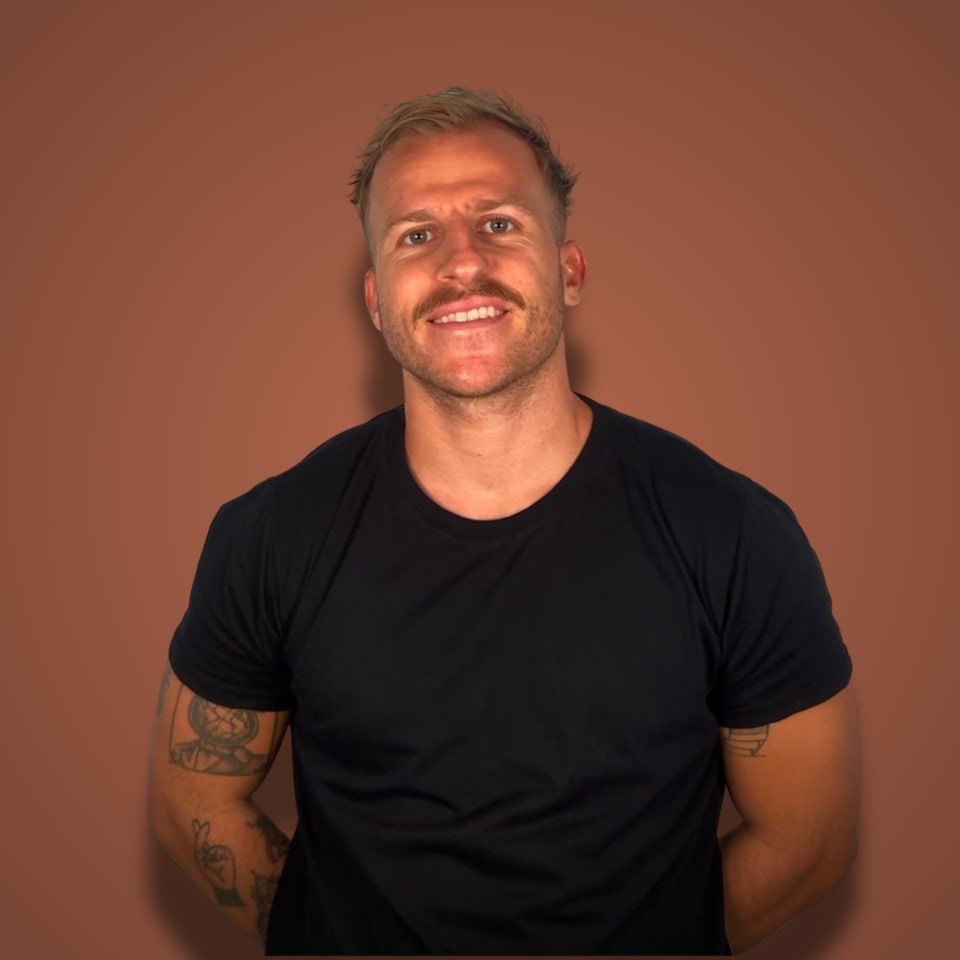
One creator. $10K spent. $100K back. Jeddi did that multiple times, and then told me he hit a 90,000% net return from a single influencer.
That number is real. So is the rest of his story.
Jeddi started in ecom 12 years ago, sold a few brands, then spent years at The Family (the European version of Y Combinator), where he helped more than 600 startups with growth. Today he advises 10+ companies on one specific distribution playbook.
It's the same playbook behind Gamma, Lovable, n8n, Arcads, and ROR. And he says it works even if you're a bootstrapped indie founder with almost no budget.
I sat down with Jeddi on the Profitable Founder Podcast. Here's the full playbook.
Yes, B2B influencer marketing actually works
I told Jeddi straight away: Julia, co-founder of Playit, sat in that same chair and said if you have a B2B SaaS, don't waste your time with influencers.
He told me she's wrong, at least for product-led B2B SaaS.
His point is simple. Product-led SaaS now behaves like the prosumer and mobile app space. People discover, click, pay, onboard themselves. No sales call. That's exactly where creators convert.
The key reframe: don't treat creators as a branding lever. Treat them as your primary distribution channel.
And there are two buckets inside the playbook.
→ Trusted creators: established influencers with a brand you piggyback on → Volume creators: you don't care about their brand, you care about hooks and volume (the Playit move)
Jeddi recommends doing both.
Step 1: find where your buyer actually scrolls
The first question he asks every client: who's your ICP, and where do they consume content?
Then he picks the platform. Ecom bros? YouTube, TikTok, X. Selling GEO software to manufacturers or healthcare? LinkedIn.
His best example was an AI receptionist SaaS selling to plumbers. I guessed LinkedIn. He laughed.
Plumbers, HVAC guys, electricians: when they take a cigarette break, they scroll TikTok. Type "plumbing advice" into TikTok and you'll find thousands of accounts of plumbers teaching other plumbers to charge $2,000 instead of $1,000.
Those guys are influencers. And nobody is sponsoring them with an AI tool yet. (If you're building that, go.)
The lesson: be counterintuitive about where your buyer lives. There's a creator for everything.
Step 2: how to spot a good creator from a bad one
The flow is simple. Search, curate, build a quality score, drop them in a Google Sheet, find their email, outreach.
On YouTube, Jeddi's criteria:
→ Posts consistently, every week or month → Average views growing over time → Goes viral often (use the free VidIQ Chrome extension to see the outlier score, 1x, 10x, 100x the average) → Comment section: good ratio of comments to views, genuine questions, and the creator replying back
That last one matters most. More comments, more replies, more trust. And trust is what makes the audience buy when the creator shows your product.
For search, he tried every tool out there. His best method was manual: search keywords, but also search your competitors. Type "Lovable," "Replit," "Cursor" into YouTube and you instantly find creators who already promote tools like yours.
On TikTok you get fewer metrics, so it comes down to taste, how often they go viral, and content quality. Jeddi has consumed marketing content since he was 16, and he says taste is the hard part to teach. He has to double-check every client's creator list.
Step 3: the LinkedIn and X gem-hunting trick
On LinkedIn and X the search is harder, so Jeddi uses a trick I'd never heard.
→ Find your best, most active clients on LinkedIn → Go to their profile and look at which posts they commented on → High chance they commented under a thought leader in your space → That's your first influencer → Connect, and check the "people like this" widget on the right for two or three more → Filter by connections (he aims for 10K+) and use the Taplio widget to see if their top posts went viral recently
Same on X, even faster: hover over a commenter's name to see follower count, then use a tool like Tweet Hunter to check their best posts.
This is how you find the gems nobody else has spotted, the ones not polluted by sponsored posts on the marketplaces. If you like finding under-the-radar plays like this, my breakdown of how to build a micro-SaaS by copying proven playbooks runs on the same instinct.
Step 4: outreach, content, and the numbers
Jeddi automates outreach with Lemlist: a sequence of five emails, one every 24 hours until they reply. Warm up a fresh domain first (never burn your main one), set up your DKIM, run it through Lemwarm so you don't land in spam.
His benchmark reply rate: 25 to 30%. High for cold outreach, because you're offering to pay them.
Then negotiate, brief, release. If it performs, double down on that creator.
On content format, for conversion he goes fully dedicated, not the 30 to 90 second integration. The best creators wrap your tool inside a story: five minutes of "here's what I wanted to build," then the rest is a live demo of your product.
On LinkedIn and X, the play is lead magnets. Clickbait hook, give 20% of the value, tell people to comment a keyword to get the rest. The comments trick the algorithm into thinking the post is valuable, so it goes viral. From January to June, one out of two of Jeddi's LinkedIn posts crossed 100K views, all lead magnets.
The hook is 50% of the job. Sometimes he spends more time on the hook than the content itself. On a post, the hook is the first sentence plus the media (a GIF or video moving fast enough that you stop scrolling to see what's happening).
At his peak in March 2025 he was doing 15 million impressions across X and LinkedIn and broke his inbox three times. He automates the DMs with Tweet Hunter on X, Manychat on Instagram, tools like Leadshark on LinkedIn.
Step 5: budget, ROI, and the UGC farm
Real prices:
→ LinkedIn influencer: $500 to $2,000 per post. $20K buys you 10 to 20 creators → YouTube: prices exploded in the AI space. $20K gets you maybe 5 to 8 creators. One quoted him $50K for a single video → TikTok: $500 to $3,000-$4,000, usually sold as a package of 3 to 4 videos (because nobody can promise which one goes viral)
You can lower the upfront fee with a 15% affiliate link.
How long until ROI? Once the video is live, conversions can hit in the first hours. The YouTube process (outreach to live) takes 3 to 4 weeks. TikTok can be 24 hours.
For attribution, use Dub (his pick), or Rewardful. And on YouTube, take the affiliate-link conversions and multiply by 2x or 3x, because tons of people just open a new tab and type your name instead of clicking. Then multiply by your LTV (find it on Stripe), discounting for low-LTV regions.
If you're bootstrapped with no cash, Jeddi's hack: find a creator who's already your customer and pay them in product credits. Costs you almost nothing.
The bigger move is to become a creator yourself first. Jeddi always tested his lead magnets on his own accounts, then handed the winners and the copy to paid creators. Jack Friks does this beautifully: he uses his B2C app Lovely to make content, then uses that to show how Postbridge schedules it all.
That self-built version of the volume play is the UGC farm. Find a few winning templates, then hire young creators for around $400 a month to post two videos a day on fresh, brand-dedicated accounts using those templates. Jeddi first saw this in 2019 from a 20-year-old running 30 creators for a French ecom brand. The hardest part isn't the cost. It's managing creators and feeding them ideas every day.
This is where the indie founder actually wins. You can't afford a top-tier creator like Callaway. But you can build your own farm, and when one of your hires gets great, promote them to manager and have them train the rest.
Step 6: the creator-to-paid-ads flywheel
Here's the part that pays for everything.
Every video your creators make also feeds your Meta ads. And modern Meta is starving for creatives.
The old game was the adset: nail the targeting, the interests, the behaviors. (A friend of Jeddi's printed $3M a year in ecom off one behavior: obesity targeting.)
Since 2024, Meta got so good at targeting that the move is the opposite: leave the adset broad with no interests, plus one lookalike, and let Meta read your creative to find the audience. So the game is now the ad itself. You need a ton of fresh creatives every week. That's exactly why Arcads is winning.
So when you pay a creator $1,000 for a TikTok video, you're not just paying for the organic post. You're paying for an ad creative. Half of Jeddi's top 10 best-performing creatives were UGC videos from his creators.
To use their footage, you either negotiate IP rights upfront (often a flat add-on or 3% of ad budget), or run it under their brand using Spark Ads on TikTok or the ID code on Meta, borrowing their trust with your money and your targeting.
I interview founders like this every week → Watch the Podcast
Frequently Asked Questions
Who is Jeddi, the B2B influencer marketing expert?
Jeddi started in ecommerce 12 years ago and sold several brands. He then spent years at The Family, Europe's answer to Y Combinator, helping more than 600 startups grow before their Series A. Today he advises 10+ companies, including YC and a16z-backed ones, on B2B influencer marketing.
Does influencer marketing work for B2B SaaS?
Yes, especially for product-led B2B SaaS where users sign up and pay without a sales call. Jeddi ran this for companies like Arcads, ROR, Lovable, Gamma, and n8n. He's seen single creators return 10x, spending $10K to generate $100K in revenue.
How much budget do you need to start B2B influencer marketing?
Around $20K runs a real test: 10 to 20 LinkedIn creators ($500 to $2,000 each), or 5 to 8 YouTube creators since AI-space prices have soared. Bootstrapped founders can start near zero by paying creators in product credits or building their own UGC farm at roughly $400 per creator a month.
The flywheel takes months to build and you'll eat the wall for a while. But once it spins, creators feed your ads, your ads feed your growth, and that's how companies like Lovable and Gamma get to nine figures.