Most mastermind groups don't die because the members are bad.
They die because week after week, nobody knows what to talk about. The calls turn into status updates. Then small talk. Then someone "can't make it this week" and never comes back.
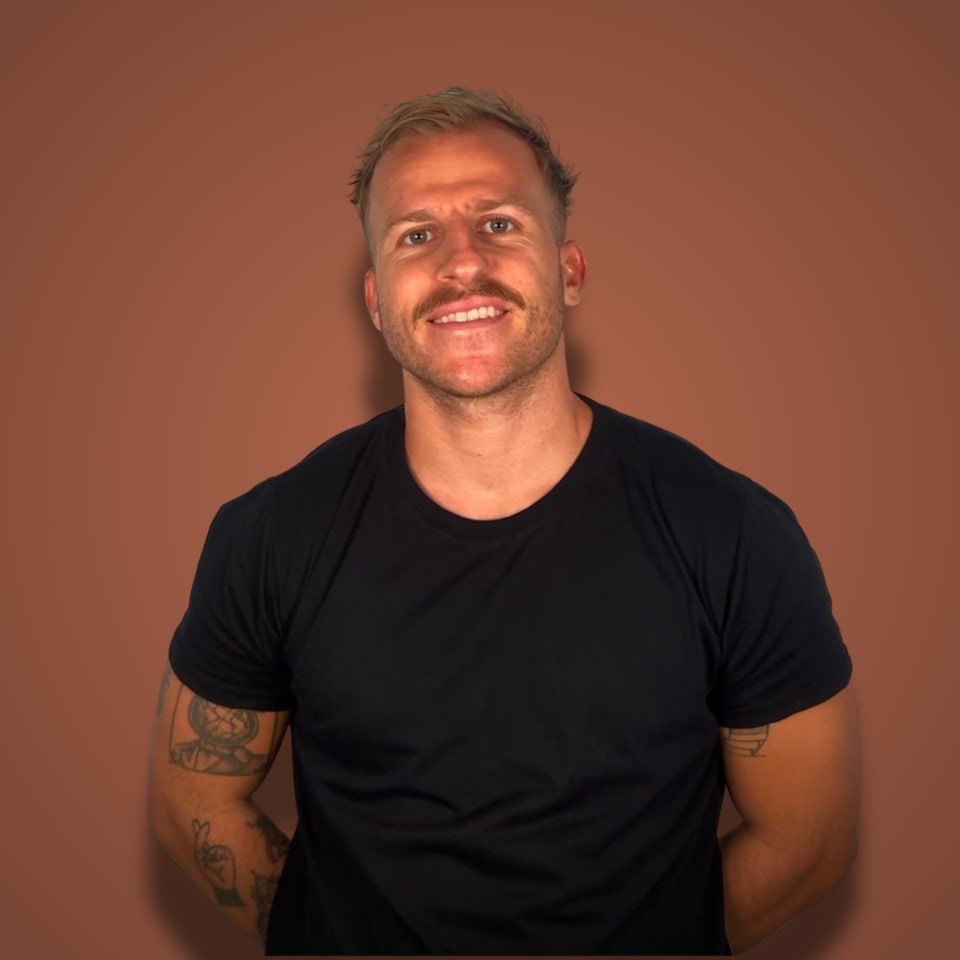
I've seen it from both sides. I paid $13,000 for a mastermind when I was making $15K to $20K a month (stupid decision, right?), and six months later I was at $75K a month. I also run one now, Profitable Founder Club, and picking the right topic for each call is half my job.
So here's the actual list: the mastermind group topics that move revenue, a 12-month topic calendar you can steal, and the topics I'd ban from any group.
What makes a good mastermind topic
Before the list, a filter. A topic earns a spot on the agenda when it passes three checks:
- → It's specific. "Marketing" is not a topic. "Why my trial-to-paid conversion is stuck at 4%" is a topic.
- → Someone has skin in it. At least one member should be facing this problem right now, with real numbers on the table.
- → It ends in a commitment. If nobody leaves the call with something to do before the next one, it was a podcast, not a mastermind.
Every topic below passes that filter. If your group's topics don't, that's the first thing to fix.
Money topics (the ones people avoid)
These are uncomfortable. That's exactly why they work. Nobody talks about this stuff with their coworkers or their spouse, and that's why they pay for a room where they can.
1. The pricing teardown. One member shares their pricing page, their plans, and their conversion numbers. The group attacks it. This is the single highest-ROI topic I know: most bootstrapped founders undercharge by 2x to 3x, and it takes outside eyes to see it.
2. Open MRR breakdown. Everyone shares their revenue line by line: MRR, churn, new trials, expansion. No hiding. The first time a group does this it's awkward. By the third time, it's the reason people show up.
3. Founder salary. How much are you paying yourself, and why? Half the founders I meet pay themselves nothing "to reinvest" and burn out. The other half don't know their real margins.
4. The churn autopsy. Pick one member's last 10 cancellations. Read the actual cancellation reasons out loud. Painful, and worth more than any churn blog post.
5. The $10K question. "If someone handed you $10K to spend on growth this month, where does it go?" Forces everyone to rank their bets instead of doing a bit of everything.
Growth topics (one channel at a time)
6. The channel deep-dive. One call, one channel: cold email, SEO, YouTube, partnerships, paid ads. The member with the most experience in that channel leads, shows their numbers, and the group builds a playbook. Rotate channels monthly.
7. Launch teardown. Someone launched something (a feature, a product, a campaign). Walk through what happened with real numbers: traffic, signups, revenue. What worked, what flopped, what they'd repeat.
8. Landing page roast. Share screens, pull up one member's homepage, and have everyone say what they think the product does. When 4 out of 6 people get it wrong, the member stops arguing about their positioning.
9. "Who exactly is this for?" A whole session on one member's ICP. Most stuck founders aren't stuck on product, they're stuck selling to everyone.
10. The distribution audit. Each member lists where their last 20 customers actually came from. Not where they think. Where they came from. Then double down on the top source.
Operations topics (buying back your time)
11. Automate, delegate, delete. Everyone brings their calendar from last week. The group flags what should be automated, handed off, or killed. I've watched founders find 10+ hours a week in one session.
12. The first-hire debate. Who should your first (or next) hire be? Members who've hired share what they got wrong. Usually someone's about to hire a developer when they need a support person, or the reverse.
13. Tool stack audit. What's everyone actually paying for, and what's earning its keep? Less sexy than growth topics, but I've seen members cut $800/month of dead subscriptions in 30 minutes.
14. Support and onboarding teardown. One member signs up for another member's product live, on screen, cold. The group watches where they get confused. Brutal, and worth more than a quarter of guessing.
Founder topics (the reason masterminds exist)
Revenue topics fill the agenda. These topics are why people stay for years.
15. The energy audit. What parts of the business drain you, and what would it cost to remove them? Burnout doesn't announce itself. A group that checks catches it early.
16. The lonely decisions. The 10pm stuff: should I take this acquisition call, should I shut this product down, should I fire this client. Give every member 10 minutes to put their heaviest decision on the table.
17. Annual goals, out loud. Each member states their number for the year and the one constraint standing in the way. Write them down. Revisit quarterly. Goals said out loud to peers get hit more often than goals in a Notion doc.
18. The quit list. What is each member going to stop doing this quarter? Founders are great at adding and terrible at subtracting.
A 12-month mastermind topic calendar
If you want to remove "what should we discuss" from your life entirely, run this:
- January: Annual goals, out loud (topic 17)
- February: Open MRR breakdown (topic 2)
- March: Pricing teardown (topic 1)
- April: The distribution audit (topic 10)
- May: Landing page roast (topic 8)
- June: Automate, delegate, delete (topic 11)
- July: Mid-year goal check + the quit list (topics 17 and 18)
- August: The churn autopsy (topic 4)
- September: Channel deep-dive (topic 6)
- October: The first-hire debate (topic 12)
- November: Onboarding teardown (topic 14)
- December: The energy audit + next year's number (topics 15 and 17)
Run hot seats in between (more on that below), and you have a full year of calls where nobody ever asks "so... what should we talk about?"
Match the topic to the format
A topic is what you discuss. A format is how. Mixing them up is how good topics fall flat.
- → Hot seat: best for one member's specific, urgent problem (topics 1, 4, 8, 9, 14). One person gets 30 minutes, everyone else digs in. I wrote up the exact mastermind hot seat questions we use if you want the script.
- → Round-robin: best for topics where everyone shares (topics 2, 10, 17, 18). Strict timeboxes or one talker eats the call.
- → Teach-one: best for channel deep-dives (topic 6). The member with results teaches for 15 minutes, then Q&A.
- → Live teardown: best for anything on-screen (topics 8, 14). Share screen, react in real time.
If you need the minute-by-minute structure around these, I broke down the full mastermind group agenda we run in a separate post.
Topics to ban from your mastermind
Some topics feel productive and produce nothing. Cut these:
- News and hot takes. "What do you think about the new AI model" is Twitter, not a mastermind. Nobody leaves with a commitment.
- Endless idea validation. One session on an idea is fine. The member who brings a new idea every month doesn't need feedback, they need to ship. Say that to them.
- Book club without implementation. Discussing a book is fine if everyone commits to applying one chapter. Summarizing chapters at each other is homework theater.
- Politics, crypto bags, and anything else with no owner. If no member's business changes based on the outcome, it's off the agenda.
Enforcing this is a rules problem as much as a topics problem. If your group doesn't have written rules yet, steal the mastermind group rules that actually get enforced.
How we pick topics in Profitable Founder Club
In my club, we don't vote on topics at the start of the call. That wastes 10 minutes and produces the safest, blandest choice.
Instead:
- → 48 hours before each call, every member posts one line: their biggest blocker this week, with a number attached.
- → I pick the 3 blockers the group can move the most, and those become the call.
- → Once a month, a founder past $100K MRR joins for a Q&A, and members bring questions for them instead.
Bi-weekly calls, 3 real problems solved per call, batches capped at 20 founders between $5K and $50K MRR. The topic engine above is 80% of why it works.
FAQ
What do you actually talk about in a mastermind group?
Real problems with real numbers: pricing, churn, where customers come from, who to hire, what to pay yourself, and the heavy decisions you can't discuss with employees or friends. Each call should center on one or two members' specific situations and end with commitments, not vibes.
What are good topics for a first mastermind meeting?
Start with annual goals said out loud: each member shares their revenue number, their one big constraint, and what they've already tried. It builds trust fast, gives everyone context on each other's businesses, and generates the next 5 topics automatically from the constraints people name.
How do we keep coming up with new mastermind topics?
Stop brainstorming and start collecting. Ask every member to post their biggest current blocker 48 hours before each call, then build the agenda from those. A group of 6 founders generates more real topics every two weeks than any list on the internet, this one included.
Should every mastermind meeting have a set topic?
No. Alternate. Themed calls (pricing month, churn month) keep depth, and open hot seat calls keep urgency. A rhythm that works: one themed call and one hot seat call per month. What matters is that someone decided the plan before the call started.
What topics should a mastermind group avoid?
Anything without an owner or a commitment: news reactions, hot takes, generic book summaries, and repeat idea validation for members who never ship. If nobody's business will change based on the discussion, it doesn't belong on the agenda.
Steal the topics, or steal the room
You can run every topic on this list with 5 founder friends and a Zoom link. Plenty of groups do, and the good ones outgrow most paid programs.
But if you're a SaaS founder between $5K and $50K MRR and you'd rather walk into a room where the topics, the format, and the vetting are already handled, that's literally what I built.