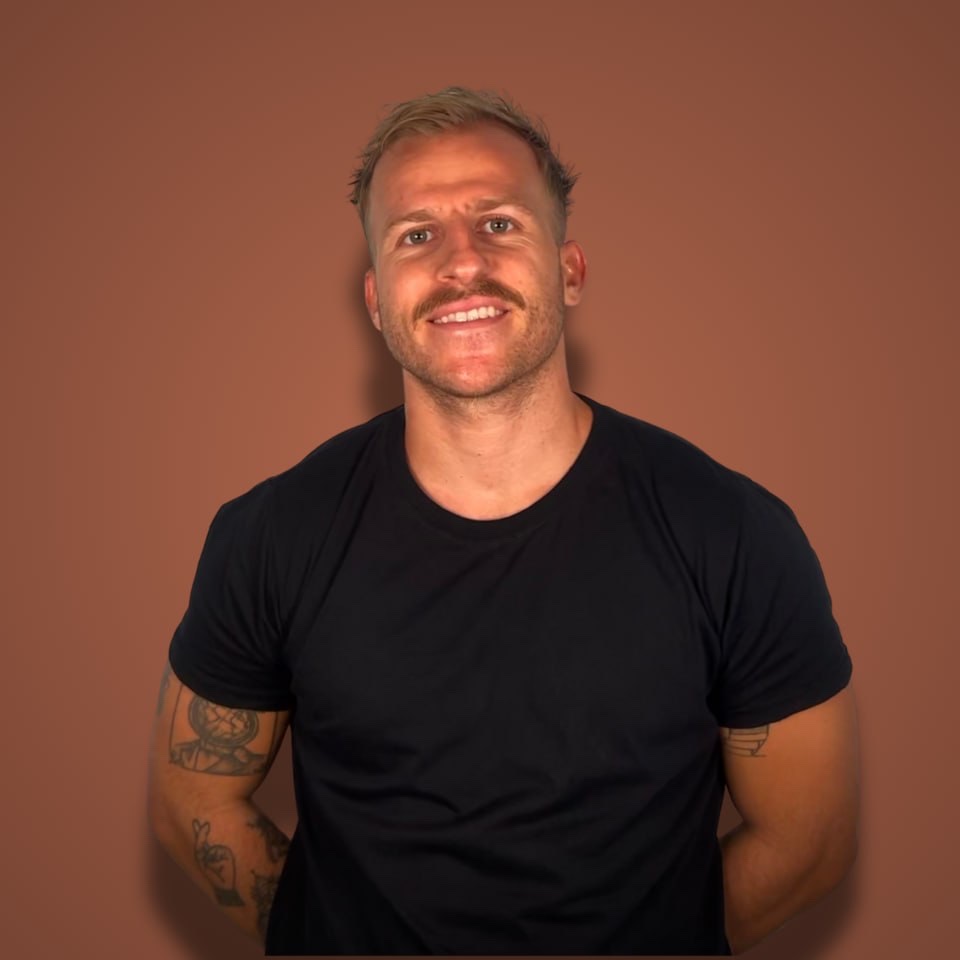
Greg Isenberg dropped an 11-minute solo video yesterday with a title designed to annoy every founder I know: "SaaS is dead?"
It did 31,000 views in a day, and my first reaction was the eye roll you're doing right now.
I sold a SaaS. I interview bootstrapped SaaS founders every week. People have been writing the "SaaS is dead" obituary since ChatGPT shipped, and most of those takes are engagement bait.
This one isn't, which is why I'm breaking it down. Greg's actual argument is narrower and more useful: is SaaS dead? No. Is the per-seat pricing model that made the last 15 years of SaaS dead? He thinks yes, and he lays out a specific business model to replace it.
Here's the full video, then my breakdown and where I'd push back.
How SaaS worked for 15 years (and why it printed money)
Greg starts with the model we all grew up on.
The hard part of SaaS was the software itself. You got enough smart engineers in a room, paid them a lot of money, and shipped a high-quality tool. A CRM, a dashboard, a scheduling app.
In exchange for using that tool, customers paid per seat. $9.99 a month. $29.99 a month. Multiply by seats, multiply by companies, and you get the SaaS boom.
The model made people billions. Greg's example is Slack, which he remembers selling for $29 billion (it was $27.7 billion when Salesforce closed the deal in 2021, but who's counting at that altitude).
The whole thing rested on one assumption: building good software is hard, so people will pay rent to use yours.
The assumption just broke
That's the core of Greg's argument, and I've watched it play out in real time.
His line in the video: models at the level of Opus 5.5, GPT-6, Astra, Argon, Carbon are so good that "building the SaaS is not hard" anymore.
What used to take 20 engineers now takes one or two people working with AI. I see this every week on the podcast. Solo founders shipping in a weekend what would have been a seed-funded team's entire roadmap in 2019.
Follow that to its conclusion:
→ If the tool is easy to build, the tool is easy to copy.
→ If the tool is easy to copy, charging rent for the tool stops working.
→ So the value has to move somewhere else.
Where it moves is the interesting part of the video.
Smart SaaS: give the tool away for free
Greg calls the old model "dumb SaaS" because it's just a tool. The new model he calls "smart SaaS", and the first move is counterintuitive: you still build the tool, then you give it away.
Give away the CRM. Give away the dashboard. Give away the app.
His tactical advice is to find niches where people currently pay for a tool under the old model, and hand them that exact tool at zero cost. (He tweeted this recently and says he doesn't understand why more people aren't doing it.)
So what do you get if not money? Two things:
- Data. Proprietary usage data you can use to make the tool better, or eventually sell. The free tool is a data acquisition machine.
- Network effects. Users invite users. That's your moat, because the tool itself isn't one anymore.
If this sounds like freemium, it's more radical than that. Freemium gates the good features behind a paywall. Greg is saying the entire tool, the thing competitors charge $29.99 a month for, is free forever. I wrote about where the classic version of this still works in my piece on the freemium business model, and smart SaaS is essentially freemium with the paywall moved out of the software entirely.
Where the money comes from: upselling intelligence
A free tool with no revenue is a charity. Greg's answer is that you upsell two things on top of it.
1. AI agents that do the work. The CRM is free. But when you want the CRM to actually do something for you (chase the leads, write the follow-ups, clean the pipeline), the agents doing that work cost money.
2. Human services. A real person delivering an outcome, sold on a weekly or monthly fee, with the free tool as the front door.
This is the same thesis Sequoia has been pushing with their "services as the new software" framing: the market for getting things done is far bigger than the market for tools that help humans do things themselves.
Greg's consumer example makes it concrete. A calorie tracking app:
- The tracker is free.
- Want AI agents building personalized meal plans and doing more precise tracking? Paid.
- Want a weekly human weight coach keeping you on track? Paid more.
And the pricing follows the work, not the seat. Agents charge per token or per outcome (the customer pays when the work actually gets done). Humans charge weekly or monthly.
His bigger point: per-seat pricing capped the market, because only some people want to pay for tools. Everyone wants outcomes. So the total addressable market for "SaaS" in this model goes up, not down. SaaS is dead, long live SaaS.
The exception: enterprise still pays per seat
One part of the video that most hot takes skip: Greg doesn't think everything goes free.
For SMBs, prosumers, and individual users, he sees software trending to free, fast.
Fortune 500 and Fortune 2000 companies are different. They'll keep paying something per seat, partly for security and compliance, and partly (his words) because paying feels good at that level. It feels like being taken care of.
He expects that per-seat number to shrink over time, with the same agent and human-service upsells stacked on top. But if you sell to enterprise, nobody is forcing your price to zero next quarter.
The pressure is on the $9.99 and $29.99 tools sold to small teams and individuals. Which, if you're reading this blog, is probably you.
My take: right direction, dangerous timing
Here's where I'd push back, founder to founder.
Greg is describing where the puck is going, and I think he's right about the direction. But "SaaS is dead" is a 3-year statement, not a Monday-morning statement, and the difference matters when you have real MRR.
If you're at $10K, $20K, $50K MRR charging per seat right now: your customers did not watch this video. They're still paying. Burning your pricing model this quarter because of an 11-minute YouTube video would be a spectacular own goal.
What I would actually do:
→ If you're pre-product: take the thesis seriously. Pick a niche where people grudgingly pay for a dumb tool, give the tool away, and design the agent upsell from day one. You'll never have a cheaper customer acquisition channel than "the thing everyone else charges for is free here".
→ If you have an existing SaaS: don't drop your price. Add the intelligence layer on top. Your roadmap's next big item shouldn't be another feature humans click. It should be an agent that does the clicking. Charge for outcomes on top of seats, and let the market tell you when seats go to zero.
→ Either way: start instrumenting your data now. In Greg's model, data is the asset you're actually accumulating. Most bootstrapped founders I talk to are sitting on usage data they've never looked at.
One more honest caveat. "Give it away free" assumes you can afford the runway while data and network effects compound. Bootstrapped founders don't have DoorDash money to subsidize free users for three years. The version of smart SaaS that works without venture funding is narrower: free tool in a tight niche, agent upsell priced on outcomes from week one, and a human service offer (yours) at the top end. Free is the marketing, not the business.
And if you're wondering whether customers are even ready to buy agents doing work instead of software to do work in, that adoption curve is its own topic. Greg actually made a separate video about it, and I broke it down in my piece on the 9 stages of AI agent adoption. Most buyers are at stage 2 or 3. That gap between the thesis and the buyer is exactly where the timing risk lives.
This is the kind of shift I pressure-test with real founders every week.
On the podcast I interview bootstrapped SaaS founders making $100K to $10M a year, and "how are you pricing in the agent era" comes up in almost every episode now. Real numbers, real pivots, no theory.
Listen to the Profitable Founder Podcast
FAQ
Is SaaS dead in 2026?
No. SaaS revenue is still growing, and millions of companies still pay per seat. What's dying, per Greg Isenberg's argument, is the assumption underneath per-seat pricing: that software is hard to build. With AI models making tools cheap to create and copy, value is shifting from access to the tool toward outcomes delivered by AI agents and human services on top of it.
What is smart SaaS?
Smart SaaS is Greg Isenberg's name for the next SaaS business model: give the software away for free, collect proprietary data and network effects instead of subscription revenue, then make money by upselling AI agents (priced per token or per outcome) and human services (priced weekly or monthly). He calls the classic per-seat tool "dumb SaaS" because it's just a tool with no intelligence attached.
How does a free tool make money?
Three ways, in the smart SaaS model. First, AI agent upsells: the tool is free, but agents that do work inside it cost money. Second, human services sold on top, like a coach or done-for-you offer. Third, the data itself, which improves the product or becomes sellable. The free tool works as the acquisition channel, the way a free tracker funnels users toward paid meal-plan agents and a paid human coach in Greg's calorie app example.
Will enterprise software go free too?
Probably not soon. Greg's view is that Fortune 500 and Fortune 2000 buyers will keep paying per seat for security, compliance, and the reassurance of a paid vendor relationship, though he expects that number to decline over time. The race to free is happening at the SMB, prosumer, and individual level first.