Everyone on X keeps telling you the same two things.
Organic social is the only way to grow an indie SaaS. And Google is dead because ChatGPT ate search.
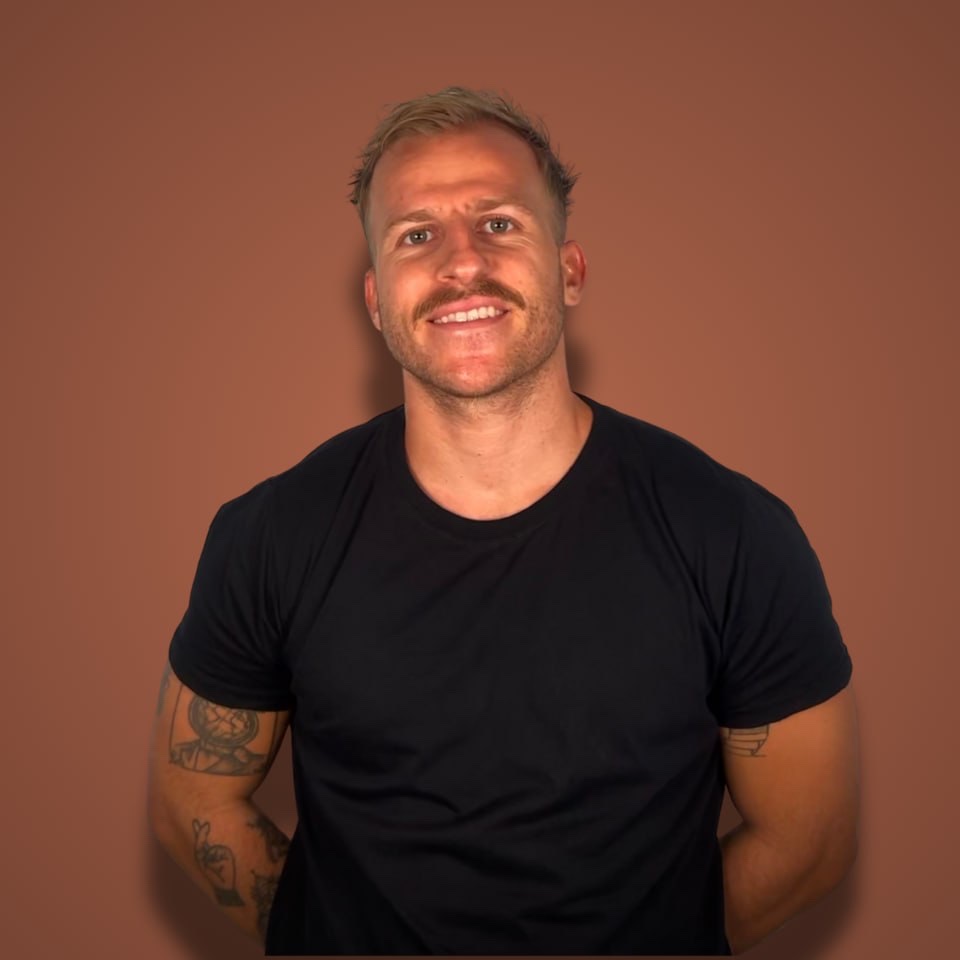
Miquel Palet ignored both. He launched Late, a social media scheduling API, and grew it from zero to $40K MRR in about 7 months using Google Ads for SaaS plus bottom-of-funnel SEO. No TikTok, and no spending a year building a personal brand first.
One channel. Profitable from day one.
He broke the whole system down with Pat Walls on Starter Story, with real numbers: ad spend, target CPA, revenue per channel. I pulled out the playbook so you can run it on your own SaaS.
Watch the full conversation here:
Who is Miquel Palet, and what is Late?
Miquel (he goes by Miki) is a founder from Barcelona. Before Late, he spent 5+ years in startups, including a VC-backed tech company in Spain that now has more than 100 employees.
About a year ago he went back to building SaaS and spotted a gap: there was no simple, affordable API for social media automation. The existing tools were expensive, complicated, or had documentation that made developers want to quit.
So he built Late (getlate.dev). It wraps the official APIs of Facebook, Instagram, Twitter, LinkedIn and the rest, pays for the highest platform tiers, and hands you everything through one developer-friendly API. Pricing is per connected account across three plans.
The numbers he shared in the video, roughly 7 months after his first paying clients:
- Just crossed $40K MRR
- 50,000 total signups
- 700+ paying users
- Churn under 10%
- Profitable from day one
And the part that matters for you: almost all of it came from one channel. Google.
The contrarian bet: capture intent instead of creating it
Most indie hackers default to organic social. Post every day, pray the algorithm notices you, repeat for a year.
Miquel looked at that and saw a casino.
His logic in the episode: social media is noisy and oversaturated, and organic reach is basically dead for most businesses. But somewhere out there, a developer is literally typing "social media scheduling API" into Google right now. That person has 10x higher intent to buy than anyone scrolling a feed.
So instead of trying to create demand with viral content, Late captures demand that already exists.
→ Capture the buyers who are already searching, instead of begging scrollers to care.
He went 100% in on two flavors of the same channel: organic SEO and Google search ads. Both have predictable unit economics. Neither depends on luck or trends. And the data from each one feeds the other.
If you're still mapping out which channels even exist for your stage, I broke that down in SaaS distribution channels. Miquel's story is what happens when you pick one and actually commit.
The organic engine: $8K MRR from bottom-of-funnel SEO
Late's SEO strategy is boring on purpose. No viral listicles, no "ultimate guides" chasing 50K-volume head terms.
They target keywords with 300 to 800 monthly searches, low competition, and very high intent. Think "social media API" or "scheduling API for Twitter". The searcher already knows what they need. Late just has to show up.
The execution:
- Find the keywords in Ahrefs, build a spreadsheet with volume and difficulty
- Write in-depth guides that actually answer the intent (like "how to schedule Instagram posts automatically")
- Keep the site clean: fast load times, mobile optimization, proper metadata, internal links
- Build backlinks through free tools and manual outreach
- Track rankings in Ahrefs and Search Console, then optimize titles for CTR
Result: more than $8K MRR attributed to organic search alone.
That's the compounding half of the machine. Slow to start, nearly free to run. (I wrote a full breakdown of this approach in SaaS SEO if you want to go deeper on the organic side.)
The paid engine: $15K MRR at $2.50 back per $1 spent
SEO compounds, but it makes you wait. Google Ads gave Miquel immediate results and immediate feedback.
The clever part is that he doesn't run a separate paid strategy. He bids on the exact same high-intent keywords he's trying to rank for organically. One content effort, two traffic sources.
His paid setup, straight from the episode:
- One landing page per ad group. The "Instagram API" ad group gets a page built for Instagram, not a generic homepage.
- Automated bidding with a $120 target CPA. That's his acquisition threshold. Google's algorithm optimizes bids to hit it.
- Value-led ad copy. Not feature lists. Lines like "Scale 30 days of social media in 1 hour".
- Continuous A/B testing of headlines, descriptions and landing pages, tracked through PostHog.
The economics: around $8,000 a month in ad spend, $2.50 in revenue for every dollar spent, roughly $15K MRR from paid search.
Spend $8K, make $20K back, reinvest. Starter Story's producer Gus put it well on the episode: the best founders they talk to don't get lucky, it's all math.
The 5-step Google playbook (if you're starting from zero)
Pat asked him the question we all want answered: you have an MVP and a few customers, how do you run this in 2026? Miquel gave a five-step answer.
Step 1: Find your core high-intent keywords
Use Ahrefs or Semrush, but honestly, you already know your core terms. For Late it was obviously "social media API". Build a spreadsheet with volume and difficulty, focus on those keywords and nothing else, and aim to rank within 3 to 6 months.
Step 2: Create quality content for those exact keywords
A blog post, a landing page, or a free tool. Put a big CTA to your signup page on every piece and link them together internally. Miquel suggests pushing 10 to 15 high-quality articles in the first week to build momentum. Quality over volume though. Google punishes content farms.
Step 3: Launch ads on the same keywords
Set up Google Ads, create ad groups around the keywords you're already targeting organically, and write 3 to 5 copy variations per group. Sell the outcome, not the feature list.
Step 4: Optimize and scale on data
Find the keywords that bring actual paying customers, not just clicks. Pause the underperformers, double down on high-ROI terms, and raise the budget month over month as long as the return holds.
Step 5: Track CAC like your life depends on it
Build a simple dashboard (Google Sheets is fine) for CAC, ROAS, revenue and traffic per channel. His benchmark: a good CAC sits at 20 to 40% of lifetime value, and you want it under 30% of first-year revenue. Every month, A/B test new keywords, copy and landing pages based on what won last month.
The stack behind a $40K MRR one-man growth machine
This part made me smile because it's so small:
- Claude Code for shipping the product faster
- DataFast for revenue attribution (what's actually bringing money, not just traffic)
- Google Ads, up to $8K/month
- Ahrefs, around $200/month
No growth team. No agency. No 14-tool marketing stack.
His parting advice on the episode: stop trying to be everything to everyone. Picking one growth channel and getting really good at it was "100 times better than being mediocre at 10 channels." Pick your single best lever, get obsessed, measure relentlessly.
I've watched this pattern across dozens of founders on the podcast. The ones who stall are almost always running five channels at 20%. The ones who break out run one channel at 100% until it stops giving.
But isn't Google dead?
The objection writes itself. AI Overviews, ChatGPT, zero-click search. Why build on Google in 2026?
Pat's take in the episode is the sharpest version I've heard: informational queries are dying, commercial queries are not.
Nobody needs your blog post on "how to write a good social media post" anymore. ChatGPT answers that better, instantly. But someone searching "social media scheduler" is shopping. Whether they type it into Google or an AI assistant, they still click through to a product and pull out a card.
The bottom of the funnel is still very much alive. That's the part Miquel built on, and it's the part most indie hackers ignore because writing comparison pages is less fun than posting memes.
FAQ
Do Google Ads work for bootstrapped SaaS?
Yes, if your keywords have commercial intent and your unit economics survive the CPA. Late spends about $8K/month and gets $2.50 back per dollar, with a $120 target CPA against per-account subscription pricing. If your LTV can't support a three-figure CPA, start with the organic half of the playbook first and add paid once you know which keywords convert.
How much did Late spend on Google Ads to reach $40K MRR?
Around $8,000 per month at a $2.50 return per dollar spent, generating roughly $15K MRR from paid search. Organic SEO added $8K+ MRR on top, and the rest came from signups flowing through the same funnel. The spend scaled gradually: he only raised budget when the return on ad spend held.
What keywords should a SaaS target first?
Bottom-of-funnel terms that describe your product category, with 300 to 800 monthly searches and low competition. "Social media API" beats "social media marketing tips" every time, even at a fraction of the volume. You want searchers who already know what they need and are choosing a vendor, not researching a topic.
Is SEO still worth it for SaaS with AI Overviews taking clicks?
For informational content, mostly no. For commercial-intent pages, yes. AI answers killed "how to" traffic, but product-category searches still end in a click and a purchase. Target the queries where the searcher's next step is a signup, and pair them with paid ads so you capture the keyword whether you rank or not.
Steal playbooks like this every week
This is exactly the kind of conversation I chase on the Profitable Founder Podcast: bootstrapped founders sharing real revenue, real spend, and the exact system behind it, not motivational fluff.
If you're grinding toward $100K MRR and want the tactics straight from founders a few steps ahead of you, come listen.