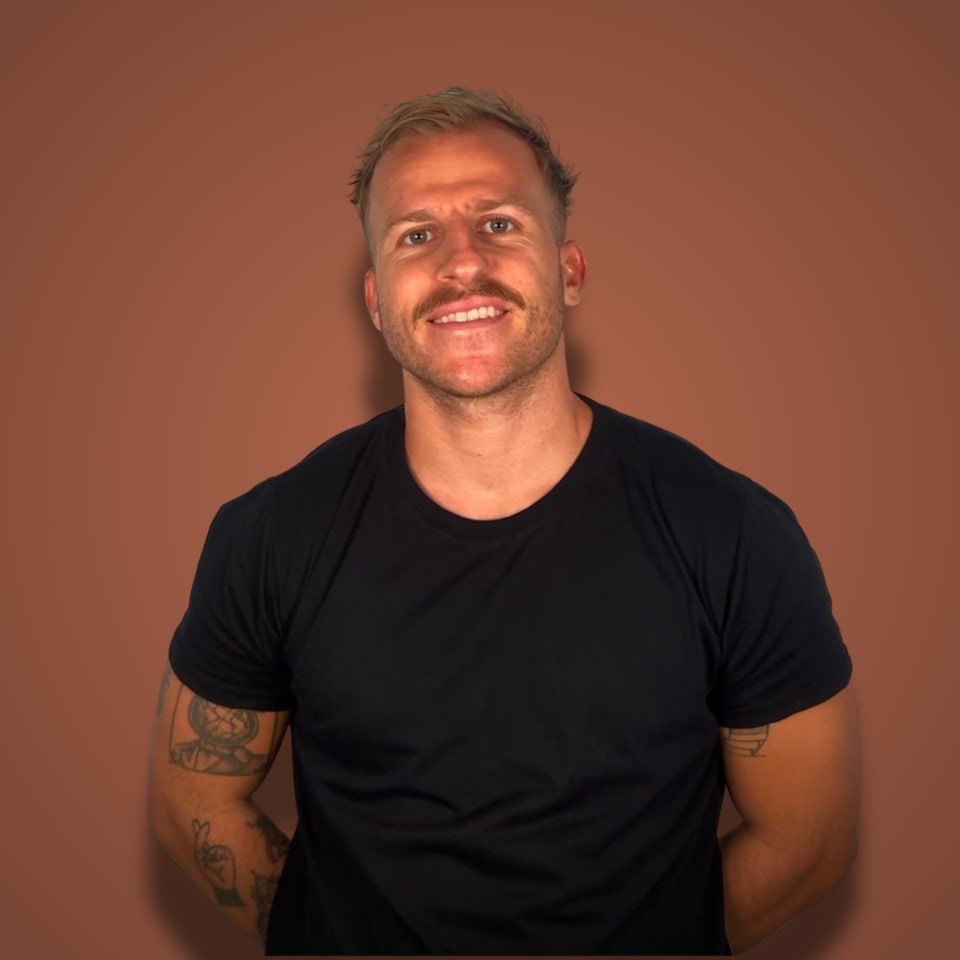
Every "best mastermind groups" list I've read was written by someone who never paid for one.
I did. $13,000, back when I was making $15K to $20K a month from my SaaS. It felt insane to spend that.
Six months later I was at $75K a month.
So I'm biased in one direction: the right room is worth stupid money. But most rooms are not the right room, and the price tag tells you almost nothing about which is which.
Quick heads up before we start: I run one of the groups on this list. I put it at #1 because it's exactly what I wished existed when I paid that $13K. Judge for yourself.
Here are the 8 best mastermind groups for entrepreneurs in 2026, with real prices, real entry bars, and who each room actually fits.
1. Profitable Founder Club
Full disclosure: this one's mine.

Profitable Founder Club is a private mastermind for bootstrapped SaaS founders between $5K and $50K MRR, all pushing toward $100K MRR.
I built it because at that stage, nothing fit. Vistage wanted CEOs with staff. Hampton wanted $3M in revenue. Free communities were full of people with ideas and no customers.
How it works:
- Bi-weekly calls where we solve 3 member problems per session, hot-seat style. You show up stuck on pricing, you leave with a plan.
- Monthly Q&A with a founder already past $100K MRR. You ask exactly how they did it.
- A private daily chat for the 10pm questions you can't post publicly.
Batch #1 is capped at 20 founders. Everyone has revenue, so nobody is theorizing.
The cap matters more than people think. Same 19 faces every two weeks means people notice when you didn't ship what you said you'd ship. That's the whole mechanism.
2. Vistage

Vistage is the biggest name in this space: 45,000+ members and decades of history.
The format is a monthly full-day meeting with 12 to 16 local CEOs, run by a paid Chair who also coaches you 1-on-1 between sessions.
The numbers:
- Roughly $1,380 a month plus a $2,500 initiation fee, so plan on $13K to $22K a year depending on your program.
- You need to actually be running a company with a team. This is a CEO room, not a builder room.
What you're paying for is professional facilitation. A good Chair keeps one loud member from eating the meeting, which is the failure mode of every cheap mastermind.
Who it's for: CEOs of established companies (think $1M to $50M revenue) who want structure and a coach, not just peers.
3. EO (Entrepreneurs' Organization)

EO is the global default: 20,000+ members across 220+ chapters.
The core product is Forum: a group of 8 to 10 entrepreneurs from non-competing industries who meet monthly and follow a strict confidentiality protocol. Members consistently say Forum is 80% of the value.
Entry bar: $1M+ in annual revenue. Cost: about $2,470 in global dues plus a $3,500 initiation fee plus chapter dues, so realistically $4K to $6K a year all-in.
The rest of EO is events, galas, and a global network you can tap when you land in any major city. Some people love that layer. Some just come for Forum and skip the parties.
Who it's for: entrepreneurs past $1M who want a proven format and a worldwide badge, and don't mind some organizational ceremony.
4. YPO

YPO is the most exclusive room on this list: around 35,000 members who run companies with roughly $15M+ in revenue (the bar varies by industry), and you have to join before you turn 45.
Like EO, the real value is Forum: a small, confidential group that meets monthly for years. Many members stay in the same Forum for decades. That's a depth of trust no new community can copy.
Dues are a few thousand a year plus chapter fees, but price isn't the barrier. The revenue requirement is.
Who it's for: presidents and CEOs of already-large companies. If that's you, YPO is probably the answer and you already knew that.
If it's not you yet, don't force it. A room where everyone's problems are 10x bigger than yours is weirdly useless. You need people in the same fight.
5. Hampton

Hampton is Sam Parr's internet-native answer to YPO.
You get a core group of about 8 vetted founders, a professional facilitator, and a monthly meeting. Their homepage says it straight: "Stop making $50M decisions alone."
The numbers:
- $8,500 a year.
- Entry: $3M+ in revenue, $3M+ raised, or a $10M+ exit.
- Acceptance rate around 8%.
The membership skews toward internet businesses: SaaS, e-commerce, agencies, media. So the conversations are about things you actually deal with, not manufacturing logistics.
Who it's for: digital founders past $3M who find YPO too country-club and Vistage too corporate.
6. Genius Network

Joe Polish's Genius Network is the marketing-heavy option: $25,000 a year, built around events in Scottsdale and a network dense with direct-response marketers, authors, and agency owners.
The format leans on big group meetings and Joe's connections rather than a fixed small pod. You go to give a "10x talk", you meet people who sell for a living, and deals happen in hallways.
That's the trade: less accountability structure, more dealflow and marketing firepower.
Who it's for: established entrepreneurs (typically $1M+ a year) whose bottleneck is marketing and connections, not execution.
Who it's not for: anyone who needs a tight group tracking their weekly commitments. That's not what this is.
7. Dynamite Circle

Dynamite Circle has been the home of location-independent entrepreneurs since 2011, started by Dan Andrews and Ian Schoen of the Tropical MBA podcast.
For $697 a year you get the private forum, a member locator, and in-person meetups across dozens of cities. The bar is $100K+ a year in revenue, which keeps out the dreamers without pricing out the doers.
If you want more structure, DC BLACK ($5,500 a year, $1M+ revenue) adds facilitated mastermind pods on top.
The DC's superpower is geography. Bangkok, Lisbon, Mexico City: wherever you land, there's a member dinner.
Who it's for: profitable internet business owners who travel, and who want peers plus meetups rather than a rigid hot-seat structure.
8. MicroConf Masterminds

Rob Walling's MicroConf runs a matching program that places bootstrapped SaaS founders into self-managed mastermind pods of 3 to 4 people at a similar stage.
Pricing scales with your ARR, from about $250 to $2,000 as a one-time matching fee. After that, the group is yours: you set the cadence, usually a call every week or two.
This is the best cheap entry point into masterminding in SaaS. The matching is done by people who've seen thousands of bootstrapped companies, so stage-fit is usually good.
The catch: self-managed groups live or die on one committed member. About half quietly dissolve within a year when that person gets busy. Budget for that risk.
Who it's for: bootstrapped SaaS founders at any stage who want peers this month without a four-figure annual commitment.
Which mastermind group should you pick?
Match the room to your stage, not your ambition:
- Under $100K/year revenue: MicroConf Masterminds, or start a free peer pod with 3 founders you meet online.
- $100K+/year, location-independent: Dynamite Circle at $697.
- $5K to $50K MRR in SaaS: Profitable Founder Club. That's exactly who it's built for.
- $1M+ revenue, want a global network: EO.
- $1M+ and your bottleneck is marketing: Genius Network.
- $3M+ digital business: Hampton.
- Established CEO with a team: Vistage.
- $15M+ and under 45: YPO.
One rule beats all the logos: join a room where the median member is one step ahead of you. Ahead enough to pull you forward, close enough that their playbook still applies.
And before you wire anyone money, run through my list of questions to ask before joining a mastermind. It'll save you from the expensive mistakes I didn't avoid.
FAQ
How much does a mastermind group cost?
Anywhere from free (self-organized peer pods) to $25K+ a year (Genius Network). The middle of the market sits between $700 and $9K a year: Dynamite Circle at $697, EO around $4K to $6K all-in, Hampton at $8,500. I broke down the full price breakdown in how much does a mastermind cost.
Are paid mastermind groups worth it?
If the room matches your stage, yes. I paid $13K while making $15K to $20K a month and got to $75K a month within six months. The mechanism isn't magic: it's borrowed conviction, faster answers from people who solved your problem last quarter, and the mild shame of reporting zero progress to 19 people who remember what you promised.
What size should a mastermind group be?
Small enough that everyone gets airtime regularly. Forums at EO and YPO run 8 to 10. Hampton runs about 8. MicroConf pods run 3 to 4. Once a group passes 20 active members without splitting into pods, it's a community, not a mastermind. Both are useful, but they're different products.
Can I just start my own mastermind group for free?
Yes, and early on you probably should: three founders at your stage, a weekly 60-minute call, rotating hot seats. The hard part isn't the format, it's keeping strangers committed with no money on the line. Most free pods dissolve within months. Paid rooms exist because the fee does the enforcing for you.
Whatever you pick, get in a room this quarter. Almost no founder I've interviewed on the podcast got past $100K MRR alone.