
Small SaaS can be a lean business built around one recurring problem and a clear group of paying customers. But a good idea list is a starting point, not proof of future revenue. Profitable Founder Podcast shares founder playbooks for bootstrapped builders; here are five focused ideas, plus a way to test which one fits you.
We analyzed 51 comments and questions from YouTube, Reddit and Quora about small SaaS business ideas and found that 24% mentioned difficulty acquiring customers.
1. Invoice Reminder & Collections Automation: Help Small Businesses Get Paid Faster
Freelancers and agencies often need to follow up on unpaid invoices while they’re busy doing client work. A focused product could send polite reminders before and after a due date, then make each message more direct as an invoice gets older. Payment links can make the next step clear for the client.
The buyer is a service business with unpaid invoices and no steady way to track each follow-up. The product’s main value is consistency: every overdue invoice enters a clear sequence instead of relying on someone to remember it. A cash-flow view could help an owner see what’s late and what’s expected soon.
A first version could focus on email reminders and payment status. Add integrations only after buyers show they need them. You could test demand with a manual reminder service or a paid beta before building the full workflow. For more ideas on testing a SaaS idea before you build, look for evidence in buyer behavior, not friendly opinions.
The hard part is getting the tone right. A reminder should help the client pay, not damage a working relationship. Make timing and message wording easy for the business owner to control.
2. Niche Appointment Scheduling: Build Around One Profession’s Workflow
A generic calendar is easy to understand, but it may not match how a specific profession works. Niche appointment scheduling software is built for a defined buyer, such as a tattoo artist, music teacher, pet groomer, or therapist. The product centers on the rules that shape that person’s bookings.
For a music teacher, recurring lessons may matter more than a broad calendar view. A pet groomer may need appointment slots that account for the type of animal. A tattoo artist may want deposits tied to a longer booking. These needs give a small product a reason to exist beside general scheduling software.
The key is to choose one workflow and learn its exceptions. Talk to people in the trade about what happens when a customer cancels, changes a time, or books a repeat visit. Then test a simple flow that handles the most common case. Don’t start by trying to support every profession with a different set of custom rules.
A subscription can fit when the software supports a repeat task that businesses use each week. You might also test a fee tied to bookings, but only if the buyer sees value in paying that way. The right price depends on the cost of the current workaround and how often the software gets used.
Vertical software can become part of a customer’s daily routine, but its reach depends on how well you understand that niche. A focused first market gives you a better chance to learn the language buyers use and the features they’ll pay for. The basic SaaS model is recurring access to software, but the niche workflow is what gives this idea its shape.
3. Field Ticket Digitizer: Turn Paperwork Into Faster Invoicing
Some companies still handle field work with paper tickets that record what happened on a job. A field ticket digitizer turns that paperwork into a digital record, so the office can review the work and move toward billing without waiting for a paper handoff.
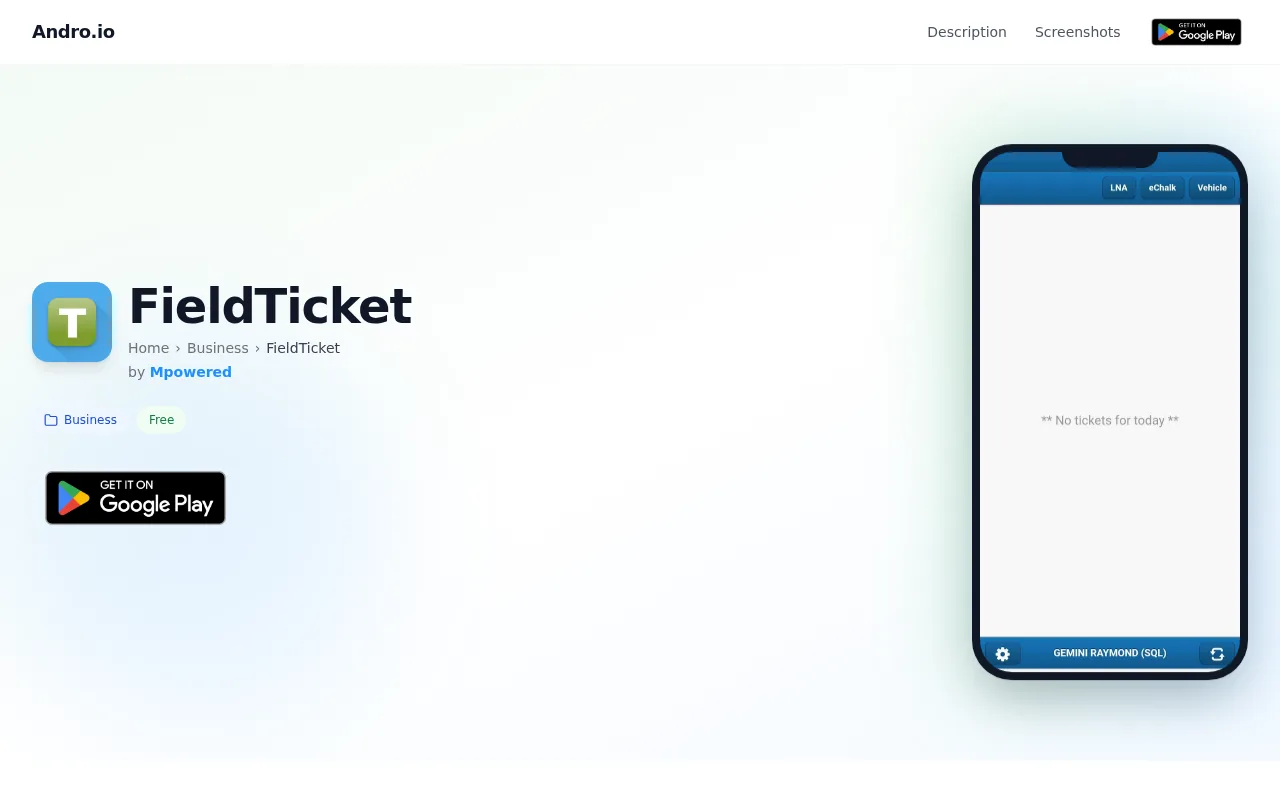
The likely buyer is a company whose field crews complete tickets that someone in the office must later read, check, and enter. The product should make the handoff easier to follow. For example, a manager needs to see which tickets are ready for billing and which need a correction before they go to the customer.
The core promise is a faster path from completed work to an invoice. Treat that as a problem to test with buyers, not a guaranteed result for every company. Ask how tickets move today, where delays happen, and who has to fix errors.
Start with one ticket type and one office handoff. A small test could use a digital form and a simple review queue before you build more. Watch how staff handle missing details, unclear handwriting, or a changed job scope. Those exceptions may matter more than a long list of features.
There’s also a broader lesson here: useful business automation often begins with a handoff that people repeat by habit. A guide to implementing business automations can help you think through where a repeat task might be simplified, but the product still needs to fit the crew’s actual work.
4. Streamer-to-Shorts Automation: Repurpose Long Videos for Social Channels
Content creators can spend hours finding short clips inside a long video. A streamer-to-shorts tool could identify possible highlights, add captions, and prepare vertical clips for social channels. The buyer is a creator who already publishes long videos but wants a less manual way to make short versions.
The first version should focus on the part of the workflow that causes the most delay. Maybe creators lose time searching a long recording for a strong moment. Maybe captions need too much editing. Ask creators to walk through the last video they repurposed, then note where they paused, repeated work, or handed the task to someone else.
The value is not simply making more clips. The clips have to feel worth sharing. If the software picks a dull moment or crops out the speaker, a creator still has to redo the work. Give users control over clip length and framing, and make it easy to review a clip before export.
Video processing can also shape the business model. Heavy processing may cost more as usage grows, so a flat monthly plan should be tested against real usage. A usage-based fee may fit better if some customers process far more video than others. Keep the first pricing test simple enough that a creator can understand it before uploading a file.
This idea suits a founder who understands creator workflows or can reach creators for regular feedback. It’s a clear example of a narrow product built around one repeated job, rather than an attempt to replace every tool in a creator’s setup.
5. SMB Fleet Maintenance Tracker: Prevent Costly Vehicle Downtime
A small business with work vehicles needs a way to keep maintenance from slipping through the cracks. A fleet maintenance tracker could help an owner or manager see which vehicles need service and keep basic maintenance records in one place. The target is an automotive business or another company that depends on its vehicles to do daily work.
A breakdown can be expensive for a business that depends on its vehicles. That gives a founder a value question to test: how often do target businesses have breakdowns, and what does each one disrupt? The answer may differ by vehicle use, fleet size, and the work the company does.
A first product could focus on reminders and a clear vehicle history. A manager should be able to spot a vehicle that’s due for service before assigning it to a job. The next useful feature may be a way to flag a repair that has not been completed. Build around the daily review, not a long menu of vehicle features.
Potential revenue models include a monthly subscription for a business or pricing based on the number of vehicles tracked. Test both only after you learn how buyers think about cost. If one avoided breakdown can pay for a year of service, customers may respond to that value story, but the claim needs to match their own experience.
This is a good fit if you can talk to fleet managers, repair shops, or owners who rely on vehicles. Without access to those buyers, you may struggle to learn which records and reminders they trust enough to use.
Compare These 5 Small SaaS Ideas by Customer and Core Problem
These ideas vary less by technical novelty than by who you can reach and how costly the current workaround is. Use the table to narrow your first customer group. Then test whether people will pay to fix the problem.
| Idea | First buyer to target | Problem to test | Possible revenue model | Early proof to seek |
|---|---|---|---|---|
| Invoice reminders | Freelancers or agencies | Overdue invoices and inconsistent follow-up | Subscription | A paid trial for automated reminder sequences |
| Niche scheduling | One profession with distinct booking rules | Generic calendars miss a repeat workflow | Subscription or booking-based fee | Buyers use a prototype for real bookings |
| Field ticket digitizer | Companies using paper field tickets | Slow handoff from completed work to billing | Subscription or usage-based fee | Office staff pay to test one ticket workflow |
| Streamer-to-shorts | Creators who publish long videos | Time spent finding and preparing short clips | Subscription or usage-based fee | Creators return to process more videos |
| Fleet maintenance tracker | Small businesses with work vehicles | Missed maintenance and costly downtime | Subscription or per-vehicle pricing | A manager pays for a small fleet trial |
Idea lists often name several related market segments for one concept. That doesn’t mean you should launch to all of them. Pick one buyer group first, then expand only when the same pain and sales message hold up with another group.
Don’t treat an idea list as an ARR forecast. Use reachable buyers, the cost of the current workaround, and early payment as better signals. Profitable Founder Podcast shares bootstrapped founder playbooks that can help you compare those tradeoffs with operators who’ve built SaaS businesses.
For the first test, sell a narrow result rather than a broad vision. Offer a paid beta, run the key task by hand behind the scenes, or build a simple prototype. Listen to what buyers do after they try it. A compliment is weak proof. A payment or repeat use gives you more to work with.
Frequently Asked Questions
What is a small SaaS business?
A small SaaS business sells ongoing access to focused software, often to a specific group of customers. A solo founder or small team may run it without raising venture capital. The business can start with one job, such as tracking a field ticket or sending invoice reminders, then grow based on paid demand and customer use.
Which small SaaS idea is easiest to start?
The easiest idea to start is usually the one where you can reach buyers and test the core job without building much software. A manual invoice reminder service or a prototype for one profession’s booking flow could help you test demand. Ease depends on your skills, buyer access, and the work needed to make the product reliable.
How do I know if a SaaS idea can make money?
You can’t know from an idea list alone. Talk to likely buyers about a recent problem, show a small working test, and ask for payment. A paid beta is stronger evidence than praise. Track whether customers use the product again, since repeat use can show that the problem comes back often enough to support a subscription.
Should I bootstrap a small SaaS business?
Bootstrapping can suit a founder who wants to keep control and build at a pace supported by customer revenue. It also means you need to watch costs and find a way to reach buyers without a large team. Choose funding based on the business you want to build, not because raising money feels like a required step.
How can I get feedback from other SaaS founders?
Talk with founders who have faced the same stage or sales problem, and bring a specific question about your buyer, pricing, or next test. Profitable Founder Club is a mastermind at scale for bootstrapped SaaS founders, with batches of 7 to 10 founders at your stage, one call a week for 12 weeks, a monthly live Q&A with Florian, and Discord. It costs $97 a year, with the price locked while you stay; paying customers are required. Compare best SaaS mastermind programs to see which format fits how you work.
Conclusion
Choose the idea where you can reach a buyer and watch the problem happen firsthand. Then sell a small test before you build a full product. If founder feedback would help you make that call, Join Profitable Founder Club. Profitable Founder Podcast is another place to hear how bootstrapped founders approach the work, but your next step is simple: talk to one potential customer this week.
