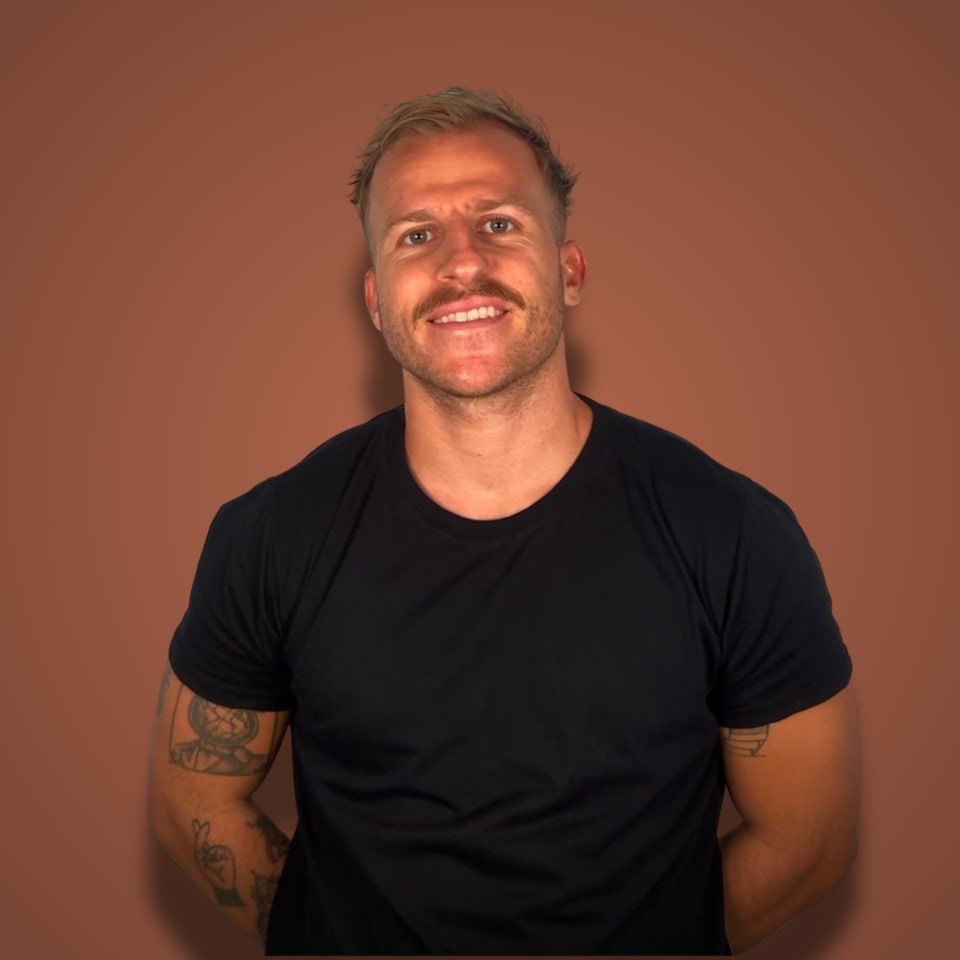
I built a SaaS to $75K/month and barely knew another founder.
True story. For about two years I was the guy refreshing Stripe at 1 AM with nobody to text about it. No co-founder. No "team." Just me, a laptop, and a Slack workspace where I was the only human.
Building alone is fine. Networking with zero other founders? That's the part that quietly kills you.
So this is the guide I wish someone had handed me: how to actually network with other founders online, without cold-DMing 200 strangers or sitting through a single awful Zoom mixer. No fluff. Just what works.
Why founder networking online is different (and easier) than you think
Here's the thing nobody tells you.
You don't need a "network" of 500 people. You need 5 to 10 founders roughly at your stage who'll answer a DM within a day.
That's it. That's the whole game.
The mistake I made early was treating networking like LinkedIn — collect connections, post into the void, hope something happens. Nothing happened. I had 4,000 "connections" and zero people I could ask "hey, how did you price your annual plan?"
Online founder networking is different because the bar is reputation, not titles. Nobody cares where you worked. They care if you ship, if you're honest about your numbers, and if you're useful to talk to.
Which is great news if you're a nobody right now. I was too.
Step 0 — Get clear on what you actually want
Before you DM a single person, answer this: what do you need a founder network for?
Because the answer changes where you go.
- Accountability → you want a small group that checks in weekly. Not a 40,000-person forum.
- Tactical answers ("how do I cut churn from 8% to 4%?") → you want a tight community where people share real numbers.
- Distribution and partnerships → you want founders with audiences, which usually means X and YouTube.
- Just not feeling insane → you want peers at your stage, full stop. (This was me.)
Write down your one-line answer. It's the filter for everything below.
Step 1 — Pick 2 platforms, go deep, ignore the rest
The number one reason founders fail at networking online: they spread themselves across six platforms and show up nowhere.
Pick two. Live there. Here's my honest take on each.
X (Twitter) — the best place, hands down. Almost every bootstrapped founder I respect — Tibo, Marc Lou, Arvid Kahl, Damon Chen — lives on X. It's where the build-in-public crowd actually talks. Real numbers, open DMs, real friendships. If you only do one thing, do X.
LinkedIn — underrated for B2B SaaS. Less fun, more buyers. If you sell to enterprises or agencies, the founders you want to know are posting there, not on X.
Reddit and Indie Hackers — good for lurking and learning, weak for real relationships. Worth reading. Hard to make a friend.
Slack and Discord communities — where networking gets real. More on this below, because this is where it actually clicked for me.
Two platforms. That's the rule. I went all-in on X plus one paid community and that was enough to go from zero founder friends to a group chat I'd run through a wall for.
Step 2 — Build in public so people come to you
The lazy secret of online networking: don't reach out more, get reached out to.
And the way you do that is by building in public. Post your MRR. Post the bug that cost you $3,000. Post the experiment that 2x'd your trial conversion. Post the ugly stuff.
When I started sharing real numbers — "$12K MRR, churn is killing me, here's what I'm trying" — strangers started sliding into my DMs offering to help. Not because I was impressive. Because I was specific and honest, and that's rare.
Three rules that work:
- Numbers beat opinions. "$8K MRR in month 4" gets 10x the replies of "growth is hard."
- Wins AND losses. Only posting wins makes you a billboard. Posting a loss makes you a person.
- Reply to others more than you post. Thoughtful replies under bigger founders' posts is how I met half my network. It's the side door nobody uses.
You don't need 30k views in 60 hours. You need to be the founder who left a genuinely useful comment on someone's launch post. That's the whole flywheel.
Step 3 — Slide into DMs the right way (how tf do you even do this?)
Okay, the part everyone's scared of. Cold DMs.
Most are garbage because they're takers. "Hey can I pick your brain?" is a tax on someone's time with nothing offered back. Delete that from your vocabulary.
The DM that works leads with value or specificity. Like:
- "Just saw your post on cutting CAC — I tested the same thing and got the opposite result, want to compare notes?"
- "You mentioned struggling with X. I built a tiny script that fixes exactly that, happy to share, no ask."
- "Your churn breakdown saved me a week. Thank you. If you ever want a second pair of eyes on something, I'm around."
See the pattern? You give first. You're specific. You make it easy to say yes.
I've closed real founder friendships from a single good DM. I've also been the guy who sent 50 "pick your brain" messages and got 50 silences. Learn from my stupid decision, right?
Step 4 — Join a real community (the move that actually fixed it for me)
Posting and DMing are great. But the thing that took me from "I know some founders" to "I have a founder family" was joining a small, paid, stage-matched community.
Here's why paid plus small beats free plus huge:
Free communities are where everyone lurks. 40,000 members, 12 active. The signal-to-noise is brutal, and nobody owes anyone a reply.
A small paid room is different. Everyone paid to be there, so everyone shows up. People share real numbers because the room is private. And you actually see the same faces every week — which is the only way trust gets built.
I learned this the hard way. I paid $13,000 for a mastermind back when I was doing $15–20K/month. Terrifying check to write. Six months later I was at $75K/month, and a huge chunk of that was three founders in that room who'd already solved the exact problems I was stuck on.
That experience is literally why I built Profitable Founder Club — a small room for SaaS founders past $5K MRR chasing $100K. Bi-weekly calls where we solve three members' problems live, a monthly Q&A with $100K+ founders, and a batch capped at 20 so it never turns into a ghost town. It's the room I wish I'd had at $12K MRR.
If you want to go deeper on finding the right room, I broke down the options here: the best Slack communities for founders, and how to vet a SaaS founder peer group before you commit.
Step 5 — Turn online connections into actual relationships
A follow is not a relationship. A DM is not a relationship. Here's how the good ones get real:
- Take it to a 20-minute call. Once you've traded a few useful messages, "want to hop on a quick call?" turns a contact into a friend faster than 50 more DMs.
- Be the connector. Introduce two founders who should know each other. You become the person everyone remembers — and intros cost you nothing.
- Show up consistently. Reply to their launches. Remember their kid's name. Networking isn't an event, it's a habit. The founders in my group chat became friends because we showed up for two years, not two weeks.
- Give without scorekeeping. The founders who help freely end up with the deepest networks. Every time. I've never seen it fail.
The honest catch
None of this is fast.
You won't have a founder network in a week. You'll feel like you're shouting into the void for the first month or two. That's normal. Everyone who has a great network now felt exactly that.
But it compounds. One good relationship leads to two. A useful reply leads to a DM leads to a call leads to a friend who introduces you to three more. Eighteen months in, you wake up and realize you have the thing that used to feel impossible.
Start today. Pick your two platforms. Post one honest number. Leave one genuinely useful reply. Send one give-first DM.
That's the whole playbook. The rest is just showing up.
Frequently asked questions
How do I network with founders if I have zero following?
Reply, don't broadcast. Thoughtful comments under established founders' posts get you noticed faster than posting into a void. Pick 10 founders you respect, show up usefully in their replies for a month, and start DMing the ones you've actually been talking to. Following is irrelevant — usefulness isn't.
Are paid founder communities worth it?
If the room is small and stage-matched, yes — overwhelmingly. Free communities are where people lurk; paid rooms are where they show up and share real numbers. I paid $13K for one and 5x'd my revenue in six months off three relationships from it. Just avoid the giant 5,000-person "communities" that are really just a content feed.
What's the best platform to network with other founders online?
X (Twitter) for bootstrapped and indie founders — it's where the build-in-public crowd lives with DMs open. LinkedIn if you're B2B and sell to enterprise. Pick one of those plus one private community (Slack, Discord, or a mastermind) and ignore everything else.
How many founders do I actually need in my network?
Five to ten people at your stage who'll reply to a DM within a day. That's it. A tight handful beats a list of 500 dead connections every single time.
What should I say in a cold DM to a founder?
Lead with value or specificity, never "can I pick your brain?" Reference something specific they posted, share a result or a resource first, and make it easy to say yes. Give before you ask and your reply rate goes up 10x.
Stop building alone
I spent two years as the only founder I knew. Don't do that.
The fastest way to short-circuit it is a small room of founders at your stage who actually show up. That's exactly what Profitable Founder Club is — capped at 20 SaaS founders past $5K MRR, solving each other's problems on every call. If you're tired of refreshing Stripe alone at 1 AM, come find your people.