Most SaaS founders don't need another stream of advice. They need a small room where people will challenge the next move. These are the best founder community options for SaaS builders, ranked by the kind of help they provide.
1. Profitable Founder Podcast
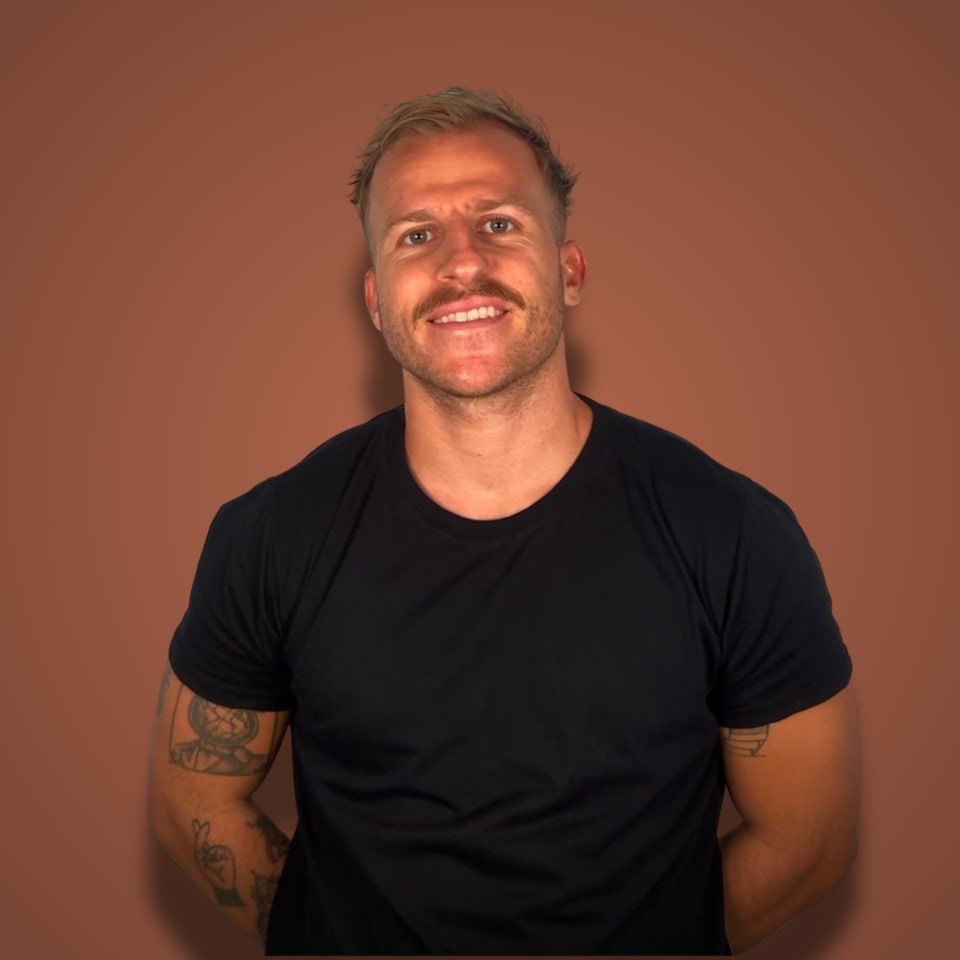
Profitable Founder Podcast is built for SaaS founders who already have revenue and want sharper decisions. Each week, Florian Darroman interviews bootstrapped founders earning between $100K and $10M a year, with the focus on the moves behind their MRR, ARR, pricing, and distribution.
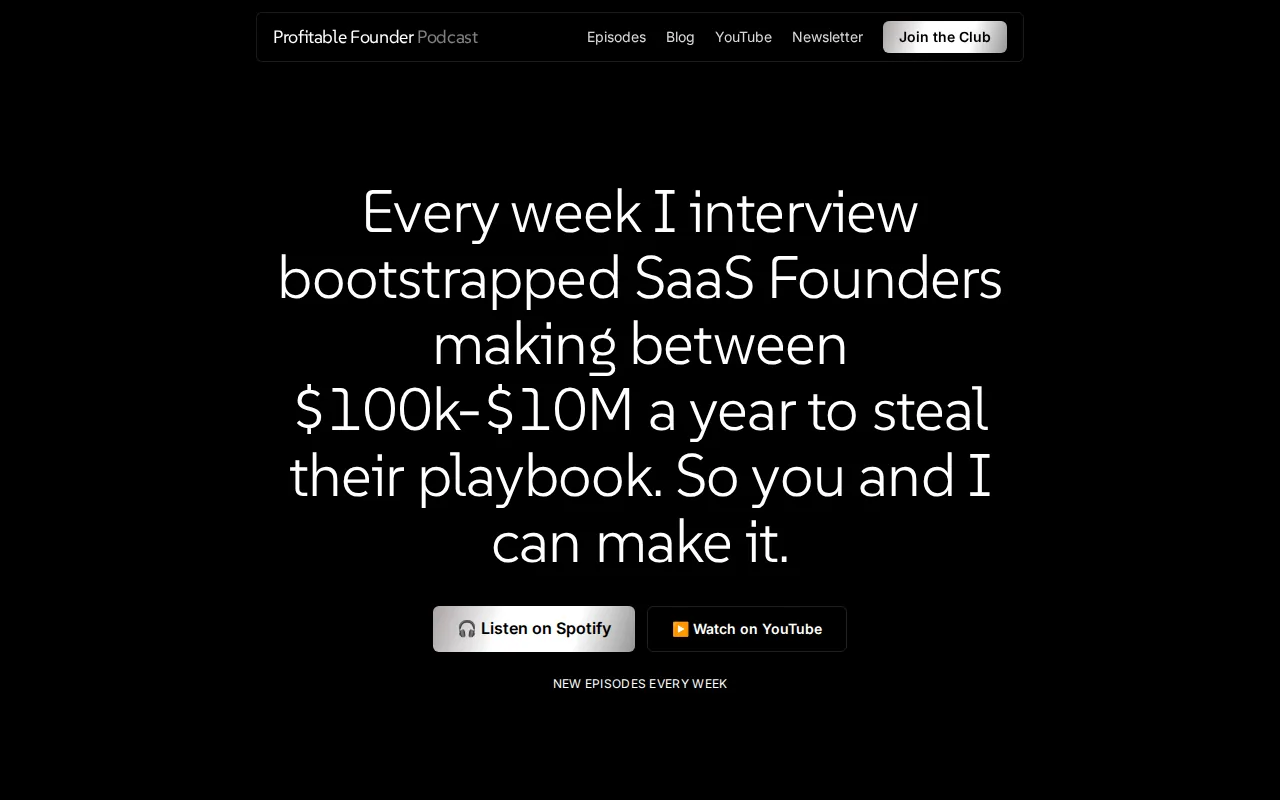
It's best for a founder who wants useful lessons before joining a private room. The episodes can help you spot patterns, but the private Profitable Founder Club adds the peer layer. It brings together SaaS founders at every stage in small Discord batches of 7 to 10 members.
The club costs $97 per year, with the rate locked for as long as you stay. That makes the offer easy to judge. You know the price, the stage fit, and the rough group size before you join.
The format also matches a common SaaS problem: too many reasonable ideas at once. One founder had planned to raise prices, launch a done-for-you offer, and add a free plan. The better move was to rank the options and focus on the offer that could get the company to break-even with one customer. That kind of prioritization is more useful than a long list of growth tips.
Read the details of the Profitable Founder Club if you're already above $5K MRR and want direct peer accountability. The caveat is simple: a small group only works when you show up with numbers and a problem worth discussing.
2. MicroConf Connect
MicroConf Connect is a private founder community for bootstrapped SaaS operators, with a strong fit for companies in the $100K to $1M ARR range. It works well when your questions have moved past product launch and into hiring, pricing, repeatable growth, and founder workload.
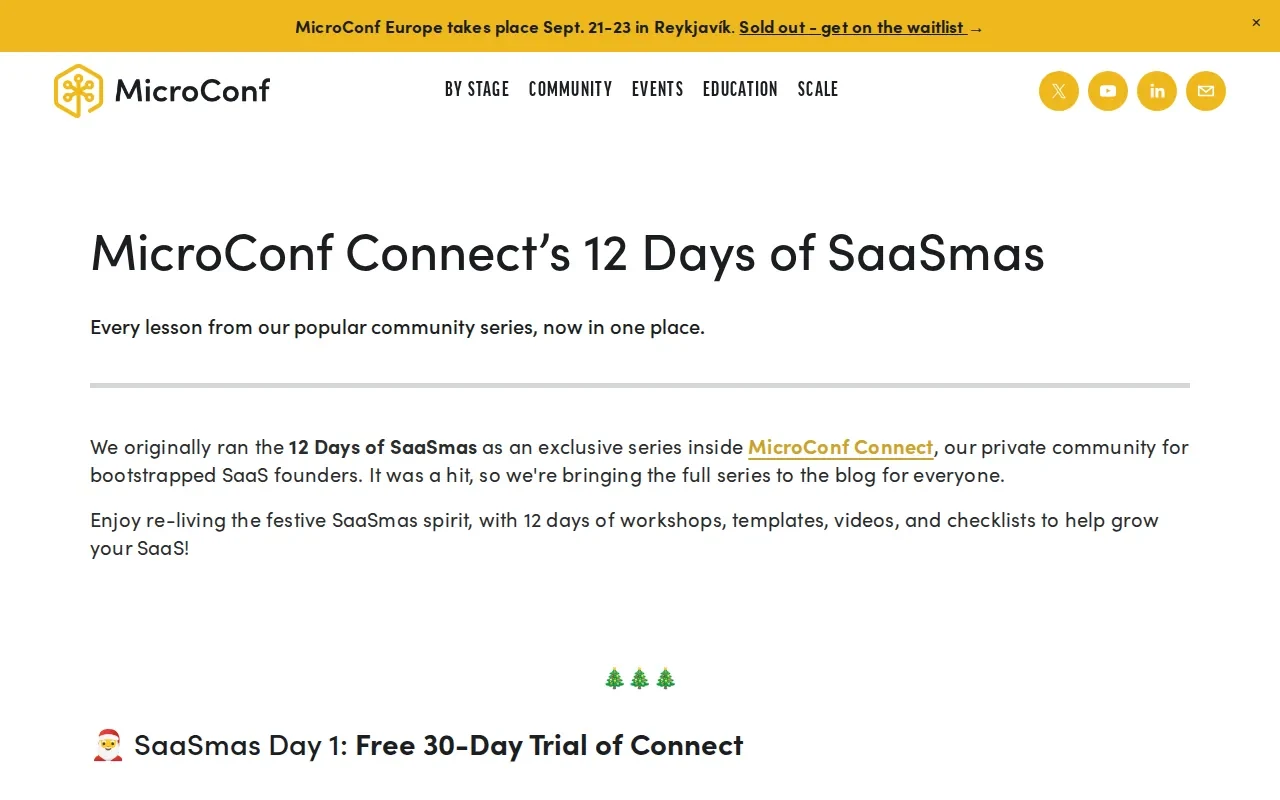
The community sits on Circle and uses hand-vetted applications. That filter matters. A public forum can give you ten answers in an hour, but those answers may come from people who have never faced your problem. Connect aims for a room where members have enough operating context to discuss the tradeoffs.
MicroConf describes Connect as the digital version of its event hallway track. Its broader network also includes online content, conferences, local meetups, and a mastermind matching program.
The private forum is useful when you have a specific question and want several informed replies. The mastermind option is better when you need the same few founders to know your business over time. It pairs founders by stage and compatible time zones, so the group has a better chance of meeting regularly.
MicroConf Connect lists membership at $49 per month or $499 per year. That is a meaningful commitment for a small SaaS, so join when you have enough operating data to bring into the room. If your main need is inspiration, its public podcast and video library may be enough.
Pick this option when your business is moving from founder effort toward repeatable systems. It has less value if you want daily chat or early idea validation.
3. TinySeed Mastermind Groups
TinySeed Mastermind Groups are small peer groups inside the TinySeed accelerator community. They're aimed at funded B2B SaaS founders who want recurring accountability rather than a loose collection of forum replies.

The group format is clear. Founders give updates to their smaller mastermind group every other week. The group then works through advice and accountability around the current block. That rhythm makes it easier to spot drift, such as a founder who keeps changing the sales plan instead of testing one channel.
TinySeed added smaller groups after finding that a single call with every founder left too little time for each person.
That structure is a strong fit if you want peers to remember your last update. It can help you compare a pricing test with the last quarter's results, or ask why a hiring plan keeps slipping. The best value comes from the repeated loop, not from one impressive call.
Learn more from TinySeed's description of its founder mastermind format. The main limitation is access. This isn't a casual drop-in group for any SaaS founder. It sits within an accelerator and funding ecosystem, so it may not match a bootstrapped founder who wants to keep the business fully independent.
Choose it when structured support and an accelerator setting fit your plan. Look elsewhere if your main goal is a low-cost community with no application path.
4. GrowthMentor City Squads
GrowthMentor City Squads combine a local founder community with online contact. Small groups of founders and marketers meet in Slack and in person, while members can also book on-demand one-to-one calls.
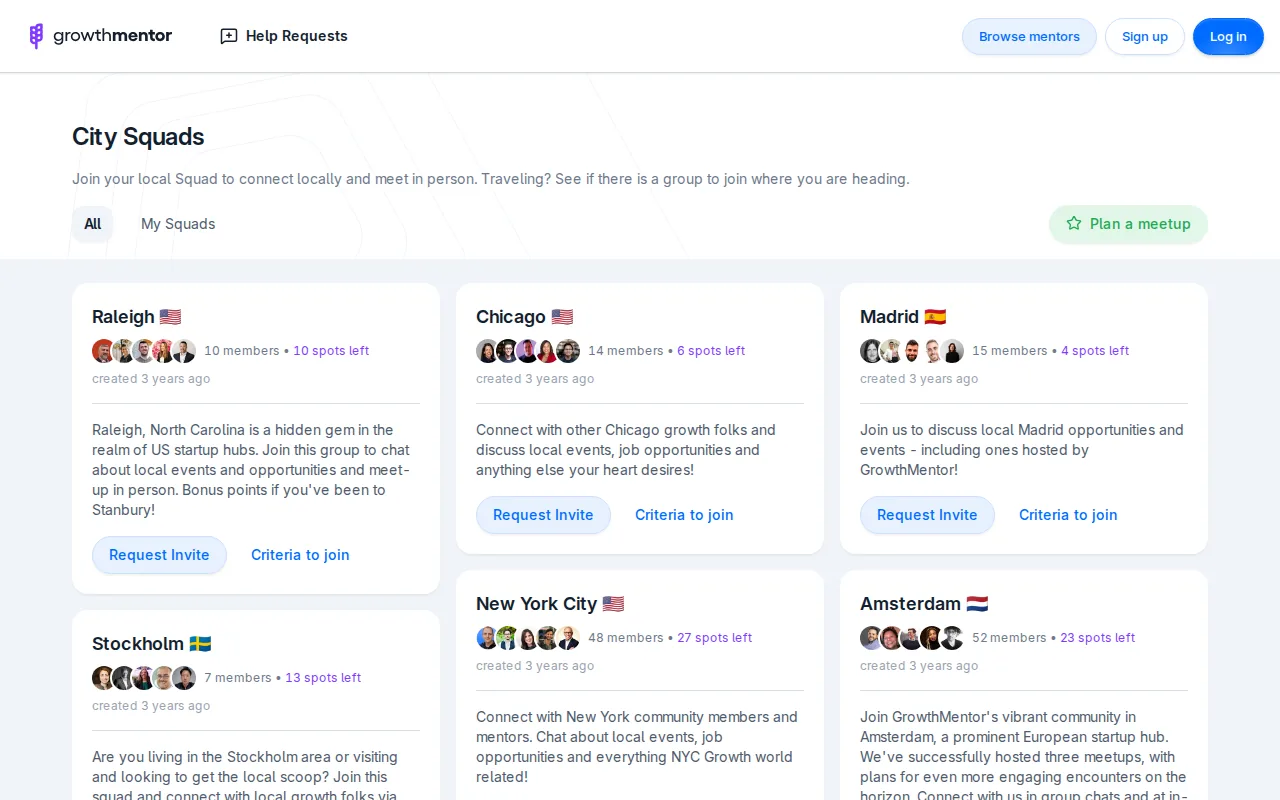
This option suits a founder who feels isolated at home and wants both peer talk and live contact. A Slack room can help with a quick question. A local meet-up can build the trust needed for a harder conversation about churn, a co-founder issue, or a stalled channel.
Its hybrid setup is the key difference. Many communities are content-first. You read a post, save a podcast, and move on. City Squads give you a reason to return because the same local people may see you again online and in person.
The one-to-one calls add a second layer. Use the group for shared problems and the call for a narrow question, such as whether to change a pricing page or test a partner channel. Don't treat the room as a replacement for a mentor who has already solved your exact issue.
The tradeoff is location. A strong squad depends on having an active local group and enough schedule overlap. If your city has little activity, the online side may feel like another Slack channel. Before joining, read the latest discussions and ask how often the local group meets.
This is a good pick when you want founder relationships that can move off-screen. It is a weaker fit if you prefer private, revenue-stage groups with no local commitment.
5. Startups For The Rest Of Us
Startups For The Rest Of Us is a podcast for bootstrapped SaaS founders. It works best as a content-first founder community, especially when you want to hear how other operators handle growth without making venture funding the center of every decision. For more listening options, compare these top SaaS podcasts for bootstrapped founders.
The show has more than 15 million downloads and over 800 episodes. Rob Walling has hosted it since 2010. The episode archive gives you a large back catalog, so you can search by the problem in front of you instead of waiting for a new group discussion.
Guests include Derrick Reimer, founder of SavvyCal, and Colin Bartlett, founder of StatusGator.
That makes the podcast useful during a work block. Listen to one episode, write down the decision it changes, and put the idea beside your current MRR goal. A podcast can sharpen your judgment, but it can't ask follow-up questions about your funnel or hold you to the test next week.
Founders who want more peer contact may prefer a private forum or a mastermind. Those formats expose your numbers to other people. A podcast gives you distance, which is useful when you need new ideas but less useful when you keep avoiding one hard choice.
Use Startups For The Rest Of Us as your steady source of bootstrapped SaaS lessons. Pair it with a smaller founder community if you need feedback on your own business.
6. Startup Grind
Startup Grind is a chapter-based founder community with local events in more than 125 countries. It's best for SaaS founders who want to meet people face to face, expand their local network, or find a startup scene outside the usual tech hubs.
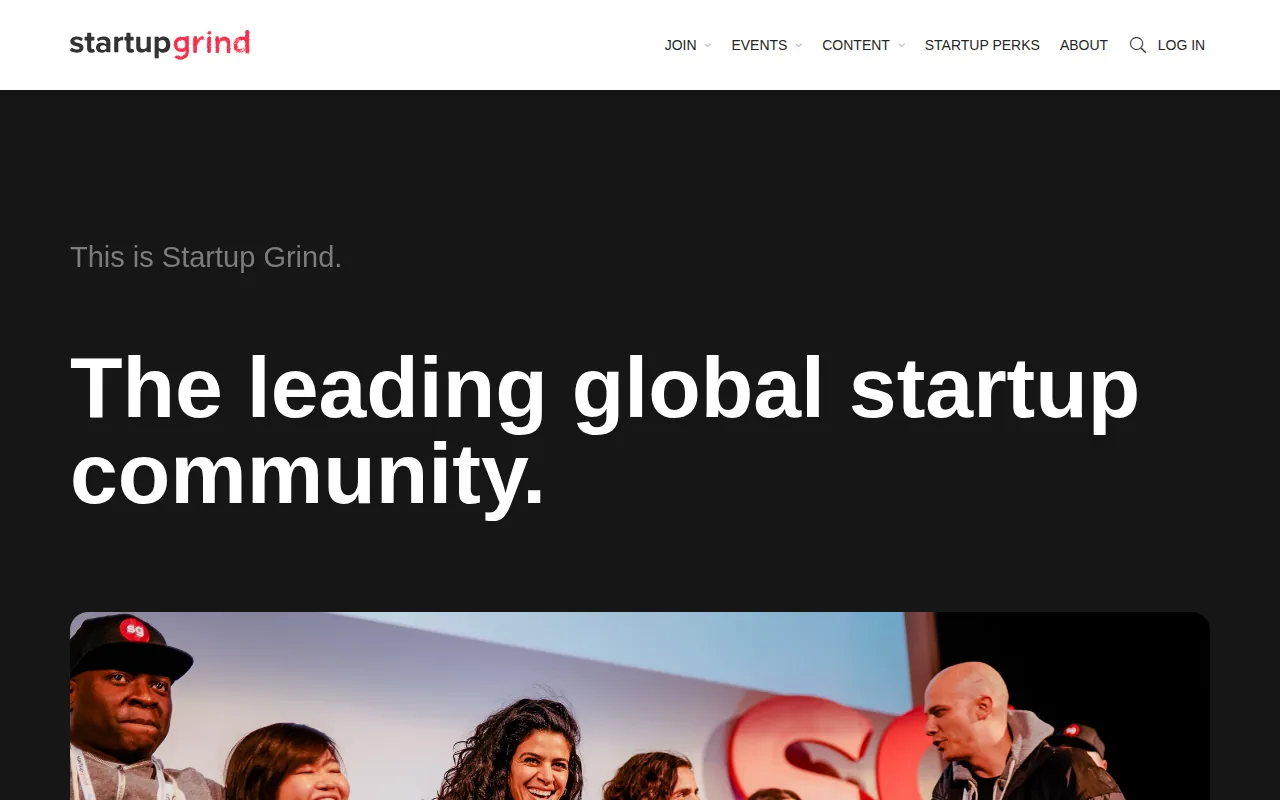
The local format changes the job of the community. You aren't only posting a question and waiting for replies. You can meet a founder before an event, hear a talk, and continue the discussion after it. That can lead to a useful peer relationship, but the result depends heavily on the chapter near you.
Startup Grind has a wider startup focus than the SaaS-only options above. You may meet founders from other software categories, investors, service firms, or early-stage teams. That broad mix can help when you need a hiring lead or a new view on distribution. It can also make the conversation less useful when your problem needs deep SaaS context.
| Best fit | What you get | Watch for |
|---|---|---|
| Local networking | Chapter events and face-to-face meetings | Quality varies by chapter |
| Early-stage founders | A broad startup room | Less revenue-stage filtering |
| Remote founders | Access to virtual and local activity | Online contact may feel broad |
| SaaS specialists | Potential founder introductions | Not a SaaS-only group |
Go to two events before judging it. One quiet event does not tell you much about the chapter. If the same people return, ask direct questions about their current business stage and see if the conversations move past surface-level introductions.
Startup Grind makes sense when geography is part of your growth plan. It won't replace a small mastermind built around your MRR and weekly operating choices.
How to choose a founder community
Start with the problem you want the group to solve. A podcast fits learning. A private forum fits quick questions. A mastermind fits repeated accountability. A local chapter fits relationships that can continue offline.
Then check four details before you spend time or money:
- Stage: Do members publish a target MRR, ARR, or company stage?
- Group size: Will people know your business, or will your post disappear?
- Cadence: Does the group meet on a set schedule?
- Proof of work: Do members share numbers and decisions, or only wins and links?
Pricing transparency is also a useful signal. The smaller, low-cost options were easier to compare than large communities with no public fee or clear member count.
Don't join ten rooms. Pick one content source and one place where people can challenge your decisions. Then show up long enough for members to recognize your name.
FAQ
What is the best founder community for SaaS founders?
The best choice depends on your need, but Profitable Founder Podcast is a strong first pick for SaaS founders at every stage. Its private club uses small Discord batches and a locked annual rate. MicroConf Connect fits founders closer to $100K to $1M ARR, while podcasts suit founders who mainly want lessons.
Are founder communities worth paying for?
Paid founder communities can be worth it when you need repeated feedback on live business decisions. The value comes from fit and participation, not the fee alone. A small group that knows your numbers may help more than a large free forum. Check the member stage, meeting rhythm, and price before joining.
What is the best SaaS mastermind for a founder at $5K MRR?
A small SaaS mastermind is usually the best fit at $5K MRR because your problems are still close to the product and sales work. Profitable Founder Club targets founders at every stage. TinySeed groups are better suited to founders inside its accelerator setting.
Are podcasts a type of founder community?
Podcasts can act as a content-first founder community, but they usually don't provide direct accountability. Startups For The Rest Of Us and Profitable Founder Podcast can help you learn from operators at different stages. You still need a forum, mastermind, or local group if you want people to review your own choices.
How many founder communities should I join?
Most SaaS founders should start with two: one content source and one active peer room. More memberships can spread your attention thin. Read recent posts, attend one meeting, and bring a current business problem. If nobody responds with useful questions, leave and test another group.
Conclusion
If you're building a bootstrapped SaaS, start with Profitable Founder Podcast and its private Profitable Founder Club. The small batch size, clear price, and SaaS-only focus give you a simple test: join, bring one hard decision, and see whether the group helps you choose the next move.