Austin property tax rates can look simple until you see how many taxing bodies share one bill. In the rate snapshot used for this guide, the school district rate is 9.9 per $1,000, while the City of Austin rate is listed separately. Use the steps below to turn your assessed value, local rates, and exemptions into a rough annual estimate.
Step 1: Identify Every Austin Taxing Authority on Your Bill
The first step in calculating Austin property tax rates is to list each taxing authority tied to your property. Don't start with one city rate and assume it covers the full bill. It doesn't.
Open your latest tax statement or property account record. Look for a section that lists the taxing units. The exact mix can change based on your address, because a property may sit within a county, city, school district, college district, or another special district.
For the rate snapshot used here, the listed entities are:
- Travis County: 3.182 per $1,000
- City of Austin: rate available on request
- School district: 9.9 per $1,000
- Austin Community College: 0.9 per $1,000
- Other category: 0.9 per $1,000
These figures range from 0.9 to 9.9. The school district has the highest listed rate.
That concentration matters if you're buying a home, leasing an office, or checking a rental property's cash flow. A founder may focus on the city and county lines because those names feel familiar. The school district can add more than both of them in this snapshot.
Local taxing units set property tax rates after appraisal districts determine taxable values. That distinction helps: the appraisal decides the value base, while each local unit applies its own rate.
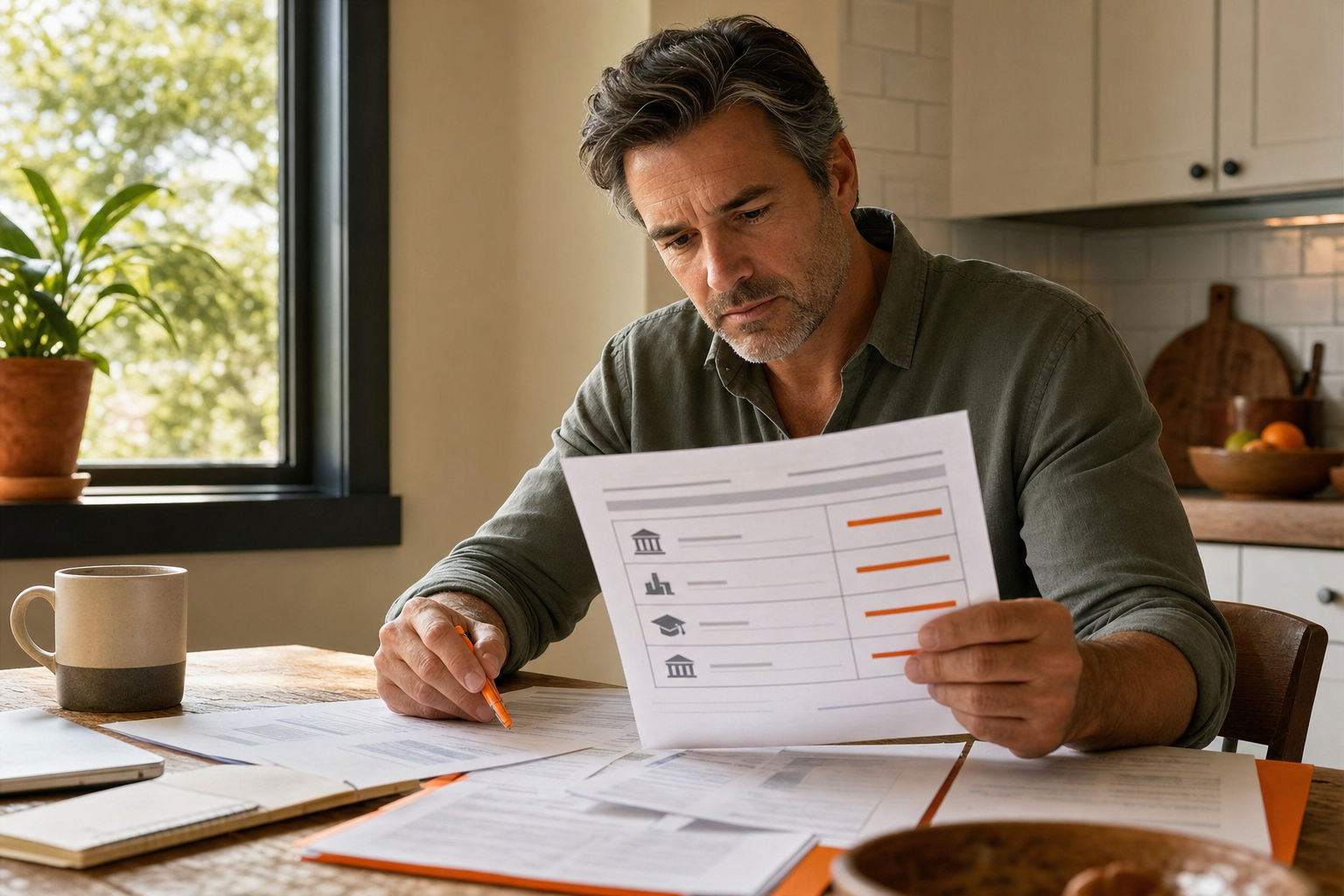
Write down the name and rate of every unit before doing any math. If a line on your bill doesn't match the snapshot above, use the rate shown for your property. A rate from a nearby Austin address may not apply to yours.
Step 2: Confirm Your Assessed Value and Apply Exemptions
Austin property tax rates apply to a taxable value, not always the headline market value. Find the assessed value on your appraisal notice or tax record, then check which exemptions reduce the amount that can be taxed.
Start with the value used by the appraisal district. Don't use a listing price just because it is easy to find. A listing may reflect an asking price, while your tax bill uses an assessed figure tied to the appraisal process.
Next, separate these terms:
- Market value: an estimate of what the property could sell for.
- Assessed value: the value recorded for tax purposes.
- Taxable value: the amount left after eligible exemptions or reductions.
For a basic estimate, use this formula:
Taxable value = assessed value minus eligible exemptions
Then use the taxable value in the rate calculation. If approved exemptions reduce the taxable amount below the assessed value, calculate from the reduced taxable amount. Do not apply the rates to the original assessed value.
Common exemption categories can include a homestead exemption, an exemption tied to age, or an exemption linked to disability. The exact rules depend on the exemption type and taxing unit. Check your own record rather than assuming one approval applies in the same way to every line.
If your record shows no exemption but you think you qualify, find the filing instructions on the website before estimating your final bill. It isn't the same office as every taxing unit, so keep the two roles separate.
Exemptions also affect planning for business property. If you're considering a live-work setup or an Austin office, don't copy a homeowner's exemption into a commercial projection. Use the value and tax treatment that match the property type.
This is where a tax estimate can go wrong by thousands of dollars. A rate may be correct, yet the result still fails because the value base is wrong. Before you add rates, write down one final taxable value.
Step 3: Add the Austin Tax Rates and Estimate Your Annual Bill
To calculate the annual amount, add the applicable Austin property tax rates, divide your taxable value by $1,000, then multiply the two figures.
Using the five entries in the supplied rate snapshot, calculate the combined rate by adding each applicable rate per $1,000:
3.182 + applicable city rate + 9.9 + 0.9 + 0.9 = combined rate per $1,000
That combined figure is only useful if all five entities apply to your property. Your bill may have a different set of units. Treat the table below as a calculation model, not a replacement for the rates printed on your statement.
Here's the math with a taxable value after applicable exemptions:
Taxable value ÷ $1,000 = taxable thousands
Taxable thousands × combined rate = estimated annual tax
Under this example, the estimated annual tax depends on the taxable value and the applicable rate for each taxing unit, before any other adjustment. The county and city together form a smaller combined rate than the school rate alone, which is why the school line deserves close attention.
For a quick estimate, calculate each line separately using your taxable value and the applicable rate. The school, city, and county shares will vary based on those inputs and the units shown on your bill.
That breakdown is more useful than one large total when you're comparing two properties. If one address has a different school district, the school line may change the deal more than a small difference in purchase price.
The available data has gaps. It does not include a complete tax-rate percentage field, an average effective tax rate, or a year-over-year change field. So don't present this estimate as a precise neighborhood comparison. Use the bill or official account record for the final figure.
If you're building a rental or office model, place the estimate in the fixed-cost section. A SaaS founder who is moving into a larger space should treat property tax as a recurring occupancy cost. The same habit applies to a rental purchase: model the tax line before you decide whether the rent or projected yield works.
Step 4: Verify the Estimate, Exemptions, and Payment or Protest Options
The final step is to compare your math with the official statement and check what you can still correct. Austin property tax rates are only one part of the final bill.
Use this review sequence:
- Match the property address and account number.
- Compare the assessed value with your written starting figure.
- Check each exemption line.
- Copy every taxing unit and rate into your worksheet.
- Recalculate each line before adding the total.
- Compare the result with the amount due.
If your estimate differs, find the source of the gap instead of changing the final number by feel. The difference may come from an exemption, a special district, a partial-year ownership period, a penalty, or a rate that does not match the snapshot.
Property value is another common point of dispute. If you believe the appraisal is too high, review the protest instructions and filing dates shown on your official notice. Gather sales evidence or property details that support your claim. Keep the focus on facts tied to the parcel.
A protest doesn't mean the value will fall. It means you are asking the appraisal authority to review the record. Keep paying attention to the payment deadline while a dispute is pending, because a protest and a payment plan are separate issues.
For federal treatment, review residential property tax information. That page doesn't determine your local bill, but it can help you separate a local tax question from a federal tax question.

Save your worksheet with the date, value, rates, and exemption notes. When a new statement arrives, you can update the changed fields instead of starting over. This also gives you a clean record for a lender, partner, or accountant.
For founders, that record is useful when property tax affects a lease decision or a personal housing budget. The Profitable Founder Podcast often focuses on the less glamorous numbers that shape a bootstrapped company's cash flow. Property tax belongs in that same category: boring, recurring, and easy to miss.
If you're exploring a business built around tax pain, a case study about helping US expats with state tax problems shows why a narrow problem can support a focused business model. It doesn't replace tax advice, but it is a useful lens for thinking about recurring pain and customer value.
FAQ: Austin Property Tax Rates
How do I calculate Austin property tax rates?
Calculate the bill by dividing your taxable value by $1,000, then multiplying by the combined rates for every taxing unit on your account. Add each line separately if you want to see what drives the total. Your final estimate can differ because of exemptions, special charges, penalties, or a rate that does not match a general snapshot.
What is the biggest part of an Austin property tax bill?
The school district is the biggest part in the rate snapshot used here, at 9.9 per $1,000. That is higher than the listed City of Austin rate and Travis County rate. Your own bill may differ, so check the school district and rate tied to your parcel before using this result for a purchase or lease decision.
Are Austin property tax rates based on market value?
Austin property tax rates are applied to the taxable value recorded for the property, not simply to a listing price. The taxable value can reflect exemptions or other adjustments. Start with the value on your appraisal or tax record, then confirm that the exemption status shown there is correct.
Can exemptions lower my Austin property tax bill?
Yes, an approved exemption can lower the taxable value used in the calculation. Common categories include homestead, age-related, and disability-related exemptions, but eligibility and treatment can vary. Check the exemption lines on your record and contact the appropriate appraisal office if a qualifying exemption is missing.
Should I include property taxes in an Austin rental or office model?
Yes, include property tax as a recurring cost when you model an Austin rental purchase or office decision. The school district share can outweigh the county and city shares in the available rate snapshot. Use the actual bill tied to the property, then test the model against a higher tax estimate.
Conclusion
Build your estimate from the parcel's taxable value and every taxing authority on its bill. Then compare your result with the official statement before you set a housing, rental, or office budget. If you're a SaaS founder, keep this kind of recurring cost visible in your cash-flow model, just as the Profitable Founder Podcast does with the operating numbers founders tend to overlook.